Mars, as the fourth planet in the solar system from the inside out, has always sparked infinite curiosity and…
| Category | Aerospace & Astronomy |
|---|---|
| Standard size | Custom size |
| Supply | Single unit or batch · OEM to your drawing |
| Lead time | Standard 4–8 weeks after deposit (confirmed per contract) |
| Warranty | 1 year, structure and control |
| Documents | Specification sheet · control diagram · spare-part list |
A standard catalogue model: the dimensions, control package and finish are fixed, which is what keeps the price and the lead time predictable. Size, colour and interface language can be adapted without a new design cycle.
Standard models from this range are also listed in our online store, priced in USD — see the price yourself ↗
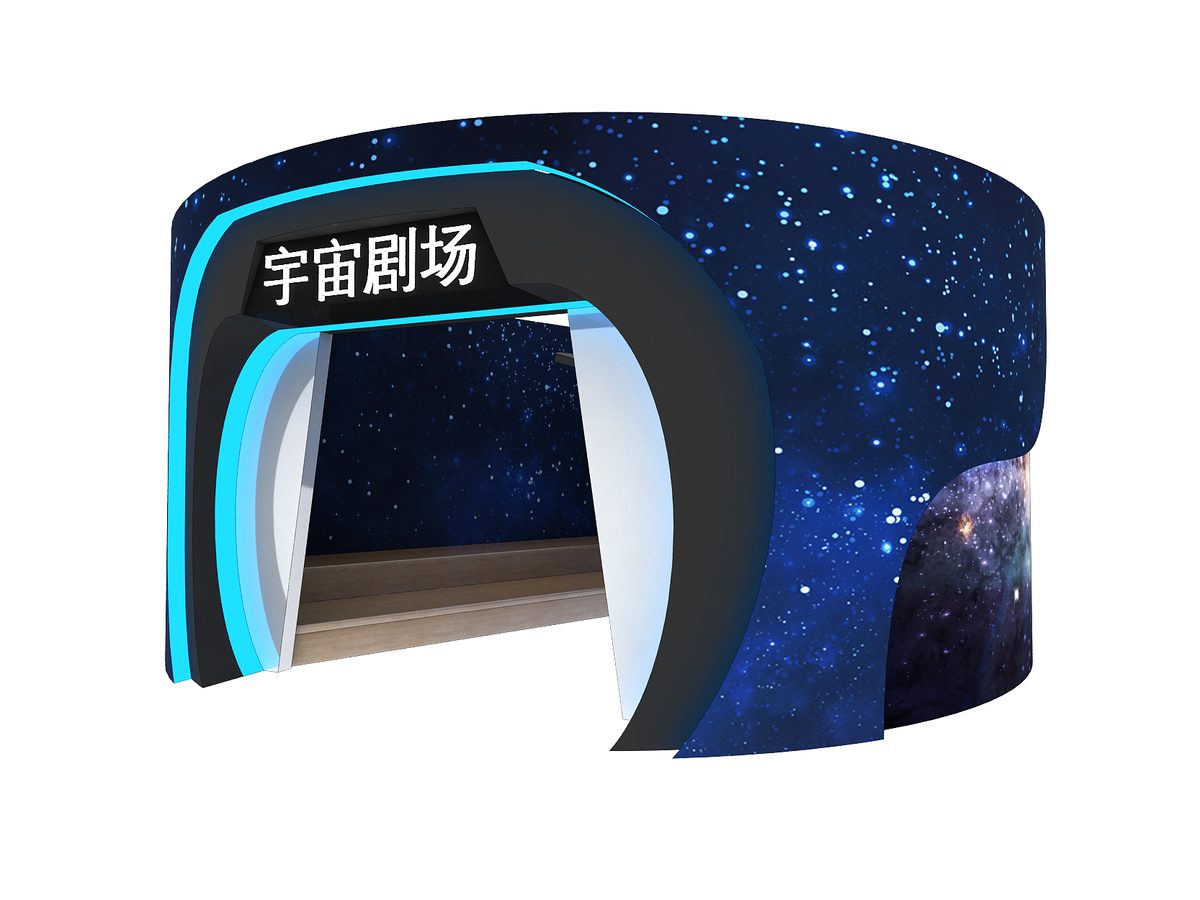
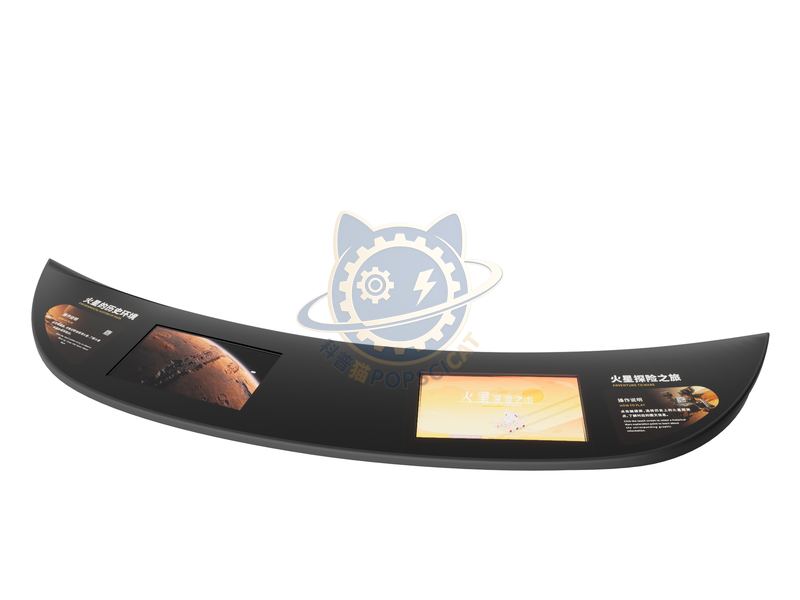
Mars, as the fourth planet in the solar system from the inside out, has always sparked infinite curiosity and imagination among humans since ancient times. Its red appearance and unique climate conditions make it one of the most suitable candidate planets for exploring signs of life in the solar system. The advancement of Mars exploration technology in the early days mainly relied on telescope observations and computational celestial mechanics. With the advancement of technology, probes began flying to Mars in the mid-20th century, ushering in a new era of direct exploration. These detectors utilize various technological means such as remote sensing technology, spectral analysis, radar detection, and robotic arm sampling. Mars exploration missions include orbiting exploration, landing exploration, and patrol exploration. Surrounding exploration is carried out by orbiters flying around Mars, which can obtain global information about Mars. Landing exploration requires a lander to land on the surface of Mars, which can directly obtain various information about the Martian surface. Patrol exploration will use Mars rovers to explore.
The unit is designed for unsupervised public use: controls are recessed or shielded, moving parts are enclosed, and the interface is operable by a child of about six with no instruction. Where a screen is used, the language can be switched without changing the hardware, and the content can be replaced on site.
Mars, as the fourth planet in the solar system, has inspired infinite curiosity and imagination among humans since ancient times. Its red appearance and unique climate conditions make it one of the most suitable candidate planets for exploring signs of life in the solar system. Early Mars exploration mainly relied on telescope observations and computational celestial mechanics. With the advancement of technology, starting from the mid-20th century, probes and landers were sent to Mars, ushering in a new era of direct exploration. These detectors utilize various technological means such as remote sensing technology, spectral analysis, radar detection, and robotic arm sampling. Mars exploration missions typically consist of two parts: an orbiter and a lander. The orbiter orbits Mars and can conduct global observations, while the lander directly explores the surface of Mars. The data from both sources complement each other, providing us with comprehensive information about Mars. Due to the extremely long distance between Mars and Earth, communication and data transmission have become crucial for exploration.
Every unit leaves the factory after a running test: mechanisms cycled, electronics burned in, edges dressed, fixings torqued and marked. Wear parts — bearings, sliders, lamps, belts, touch panels — are modular and listed on the spare-part sheet, so a venue technician can replace them without returning the exhibit. Crating is plywood with foam blocking; the loading plan and packing list travel with the shipment.
Other models from the Aerospace & Astronomy line, all held to the same specification and the same control package.

A curved screen and twelve seats for a six-minute flight.

Move a planet across the band and watch liquid water survive or boil.

A comet model whose tail always points away from the light source.

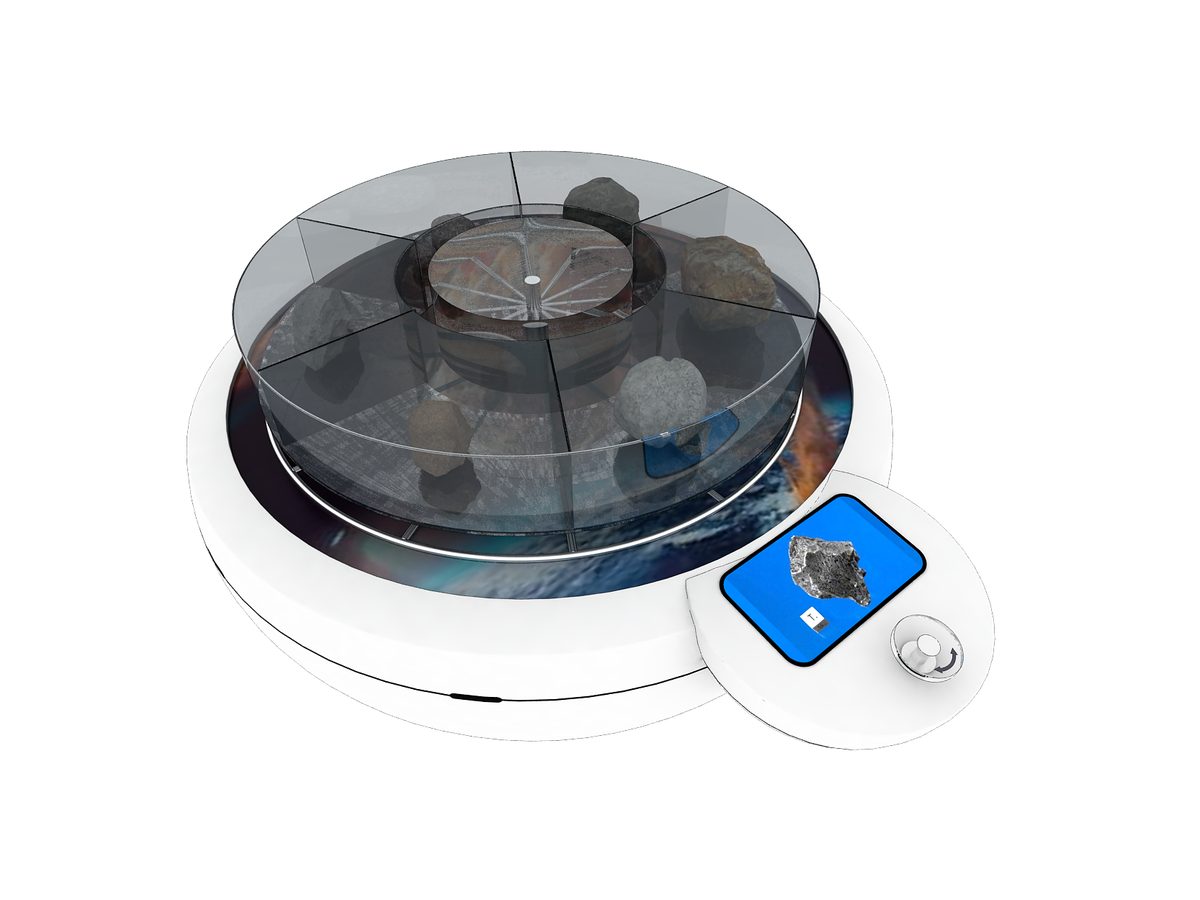
Real meteorite samples beside a simulated entry trail.
Attach a theme outline, a floor plan, or nothing at all — a photo of the space is enough to start. Quotations are issued against a real exhibit list, not per-square-metre guesses.
Scan to add us