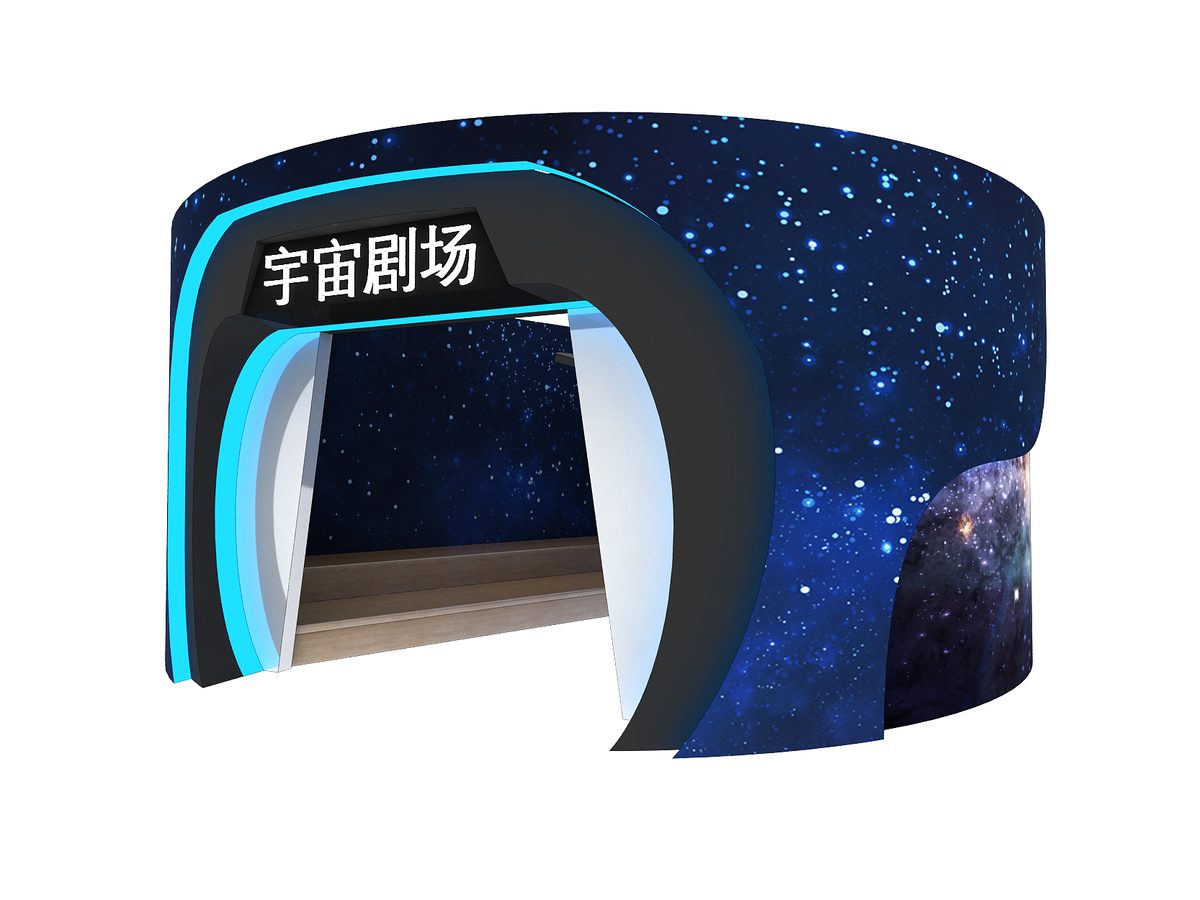
Cosmic Theatre
A curved screen and twelve seats for a six-minute flight.
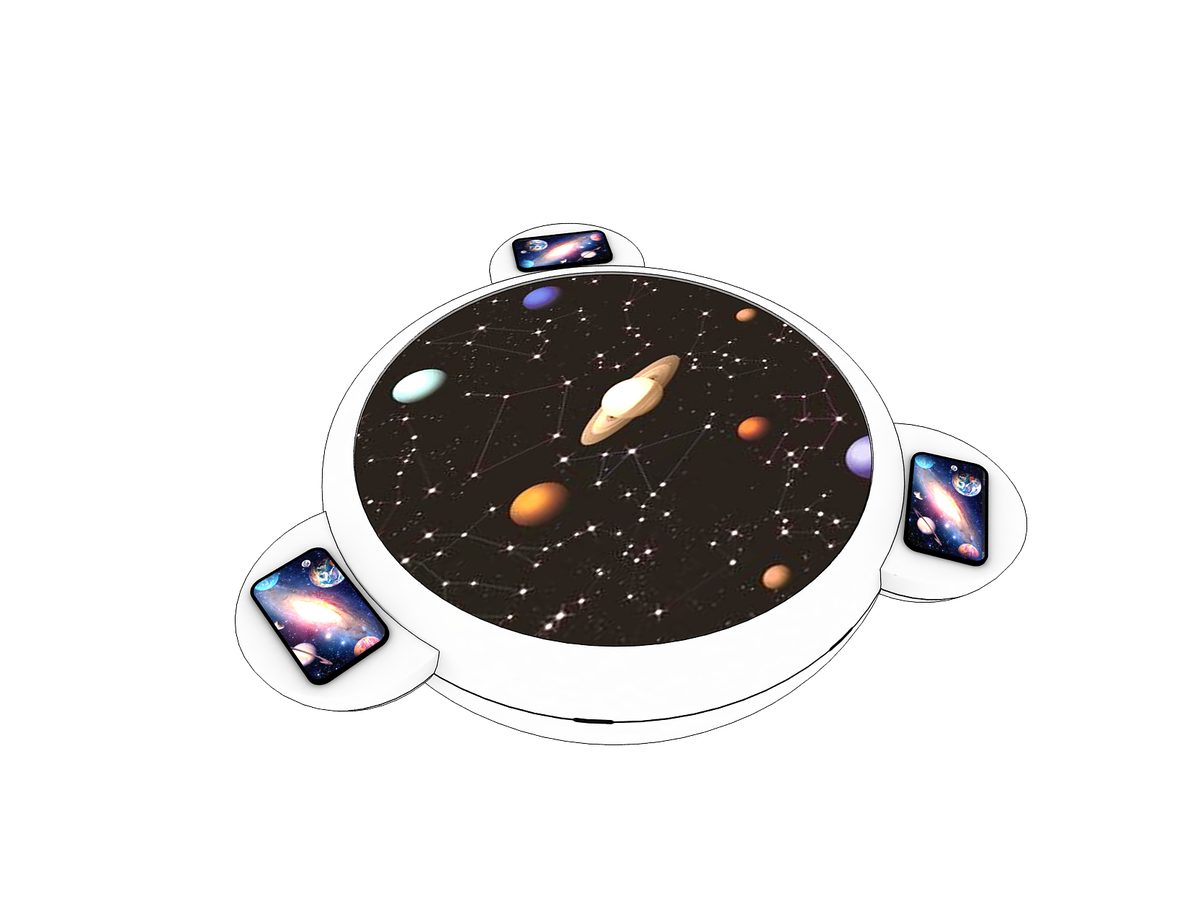
Habitable Zone
Move a planet across the band and watch liquid water survive or boil.
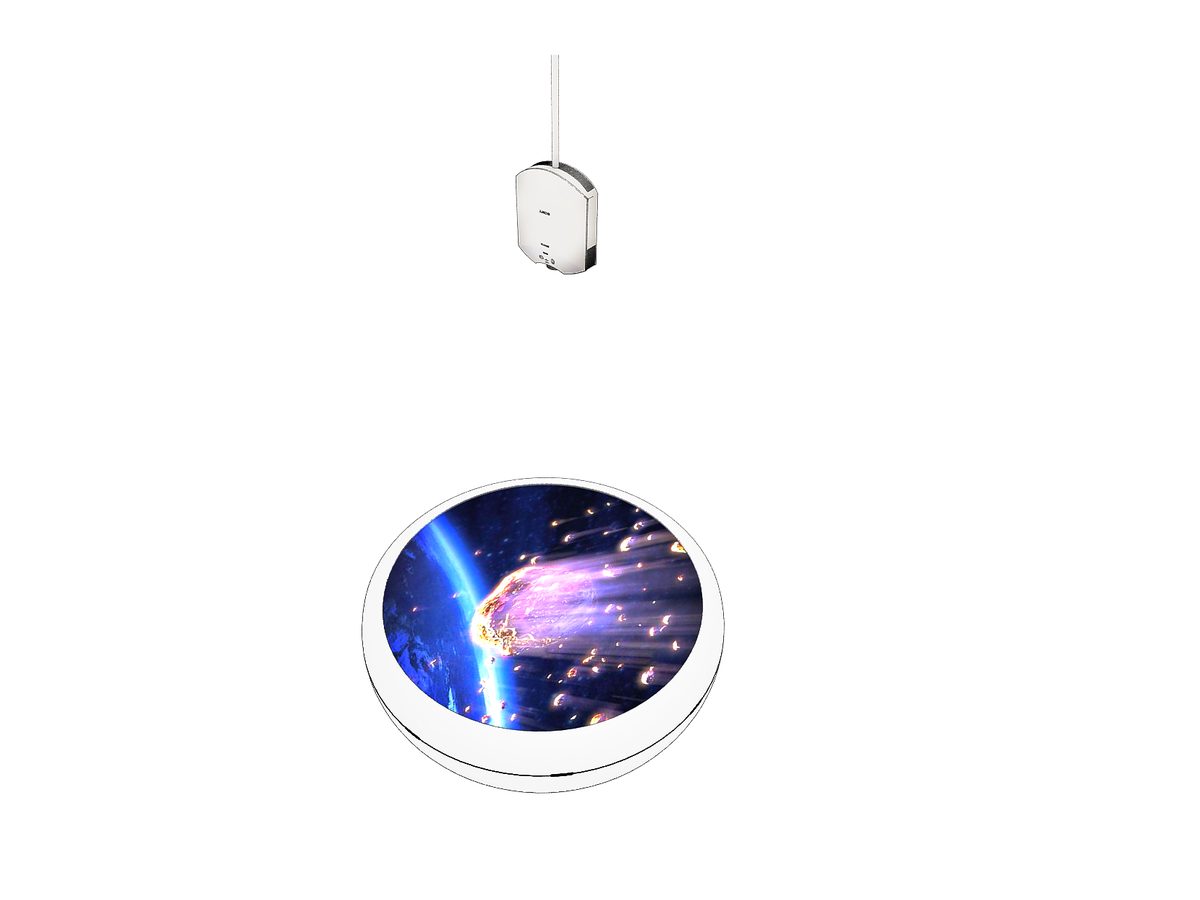
Comets
A comet model whose tail always points away from the light source.
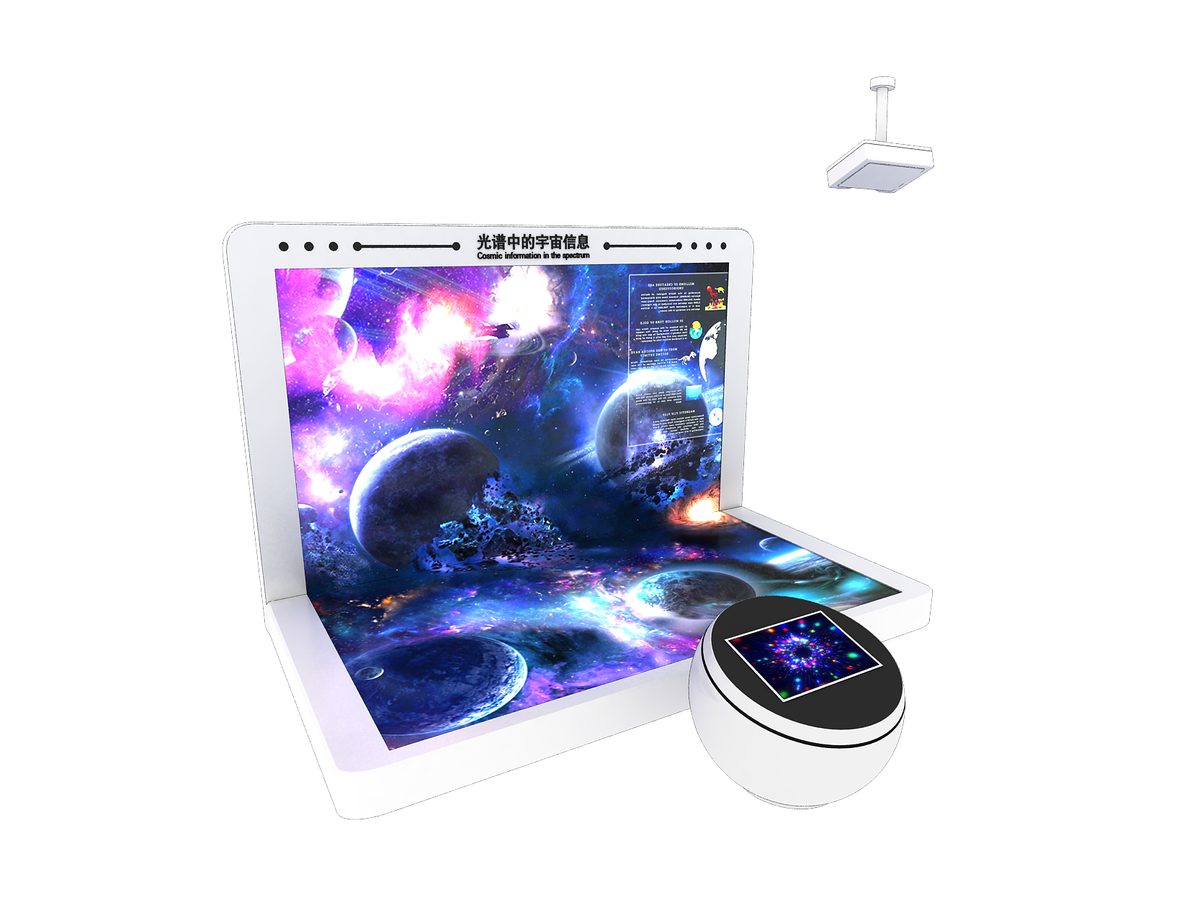
Spectroscopy of the Universe
Read the absorption lines of three stars and name their elements.
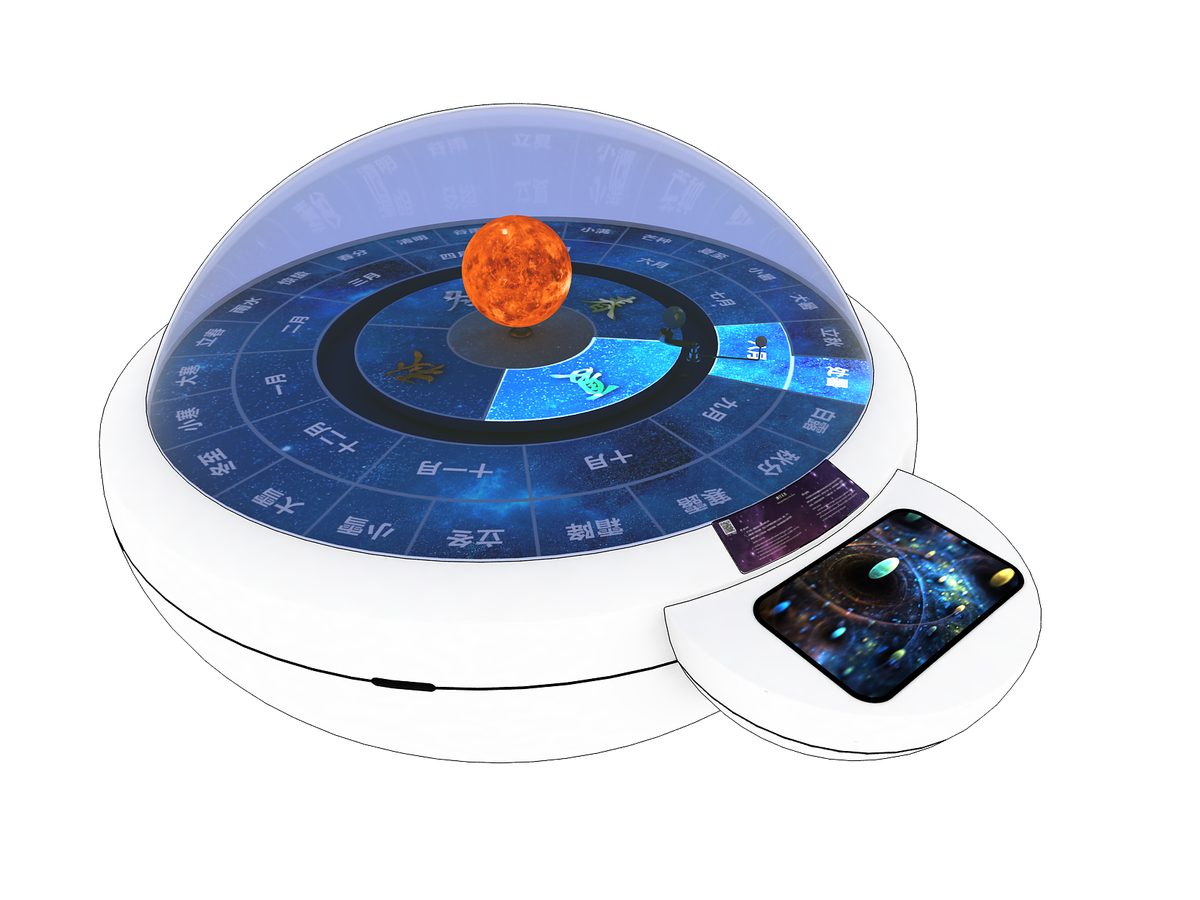
Earth-Moon System
Tidal locking and lunar phases shown with a lamp and a rotating Moon.
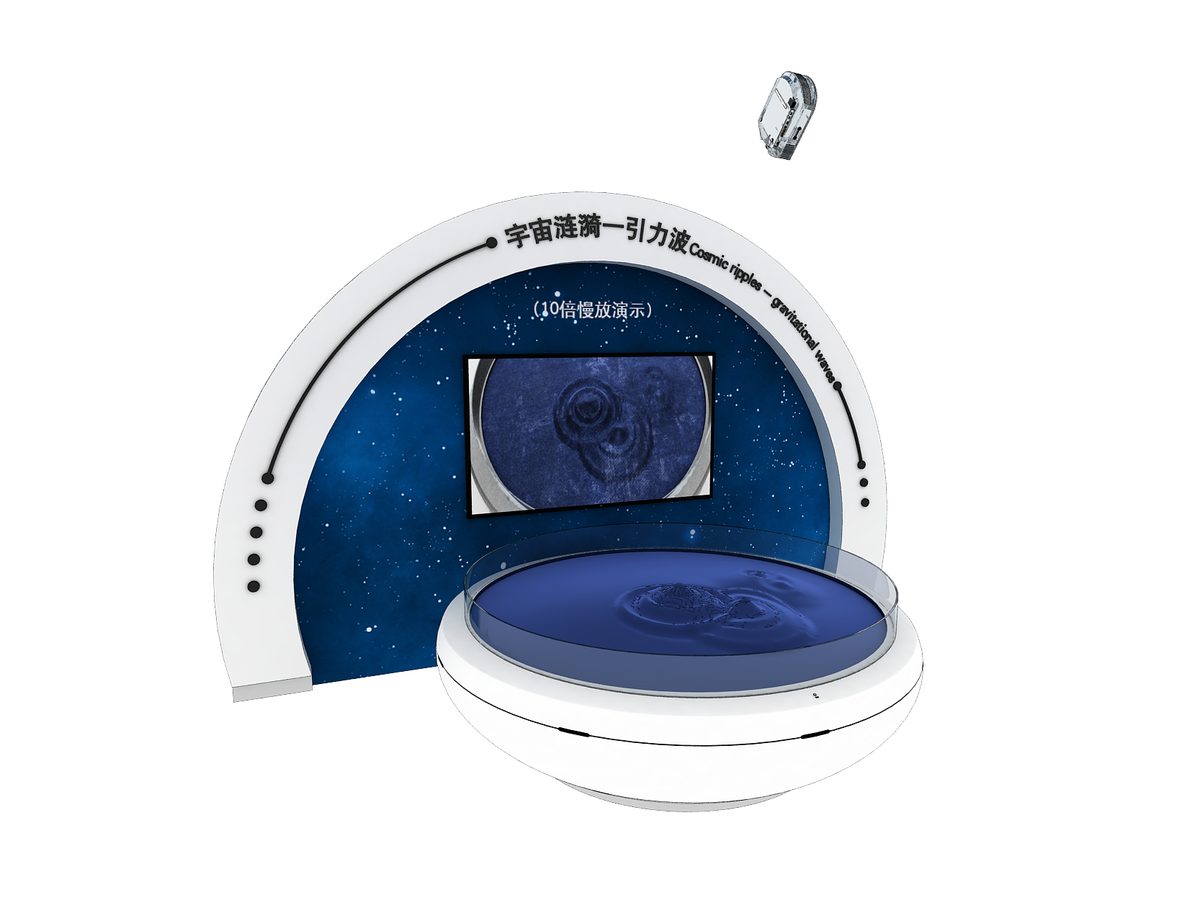
Gravitational Waves
A stretchable space-time grid ripples as two masses spiral inward.
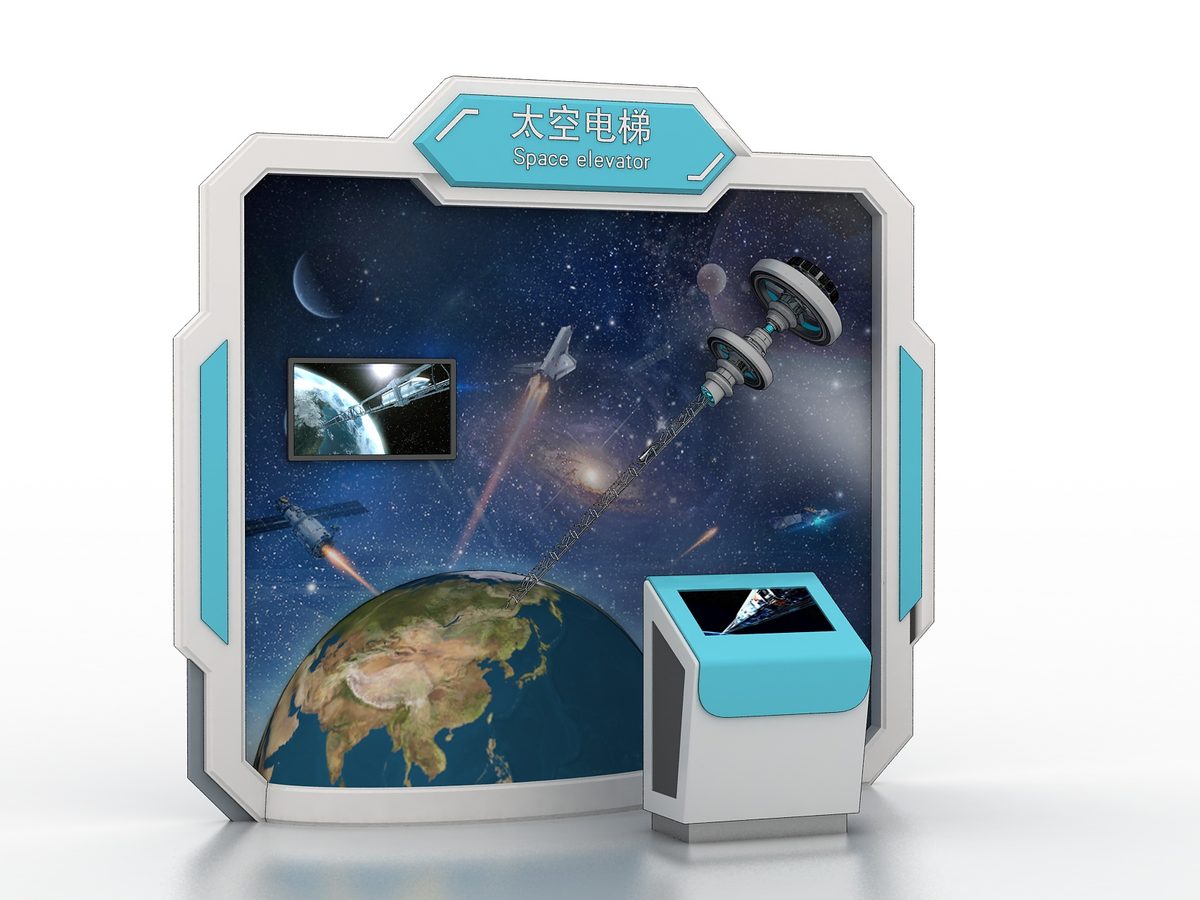
Space Elevator
A counterweighted ribbon climbs from ground to orbit at model scale.
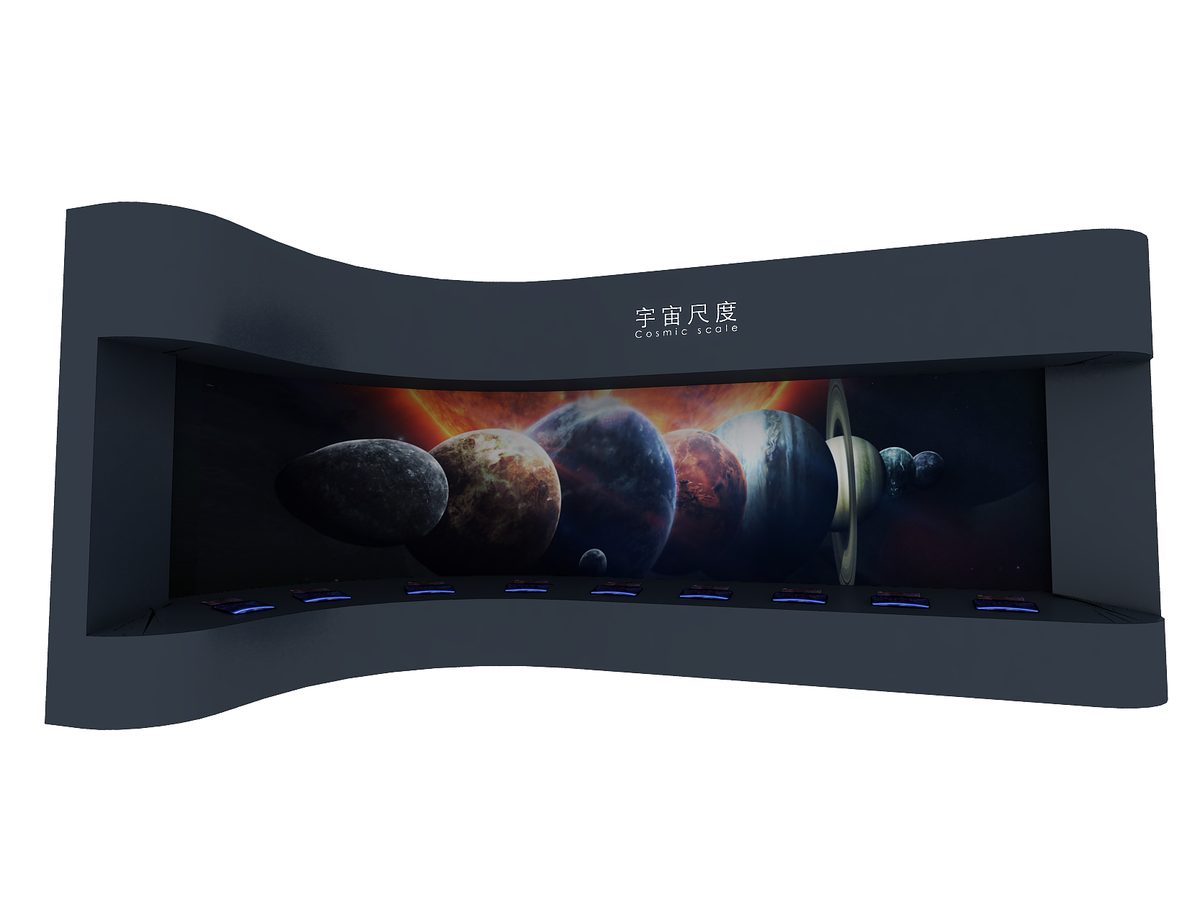
Cosmic Scale
A ten-step walk from the Moon to the edge of the observable universe.
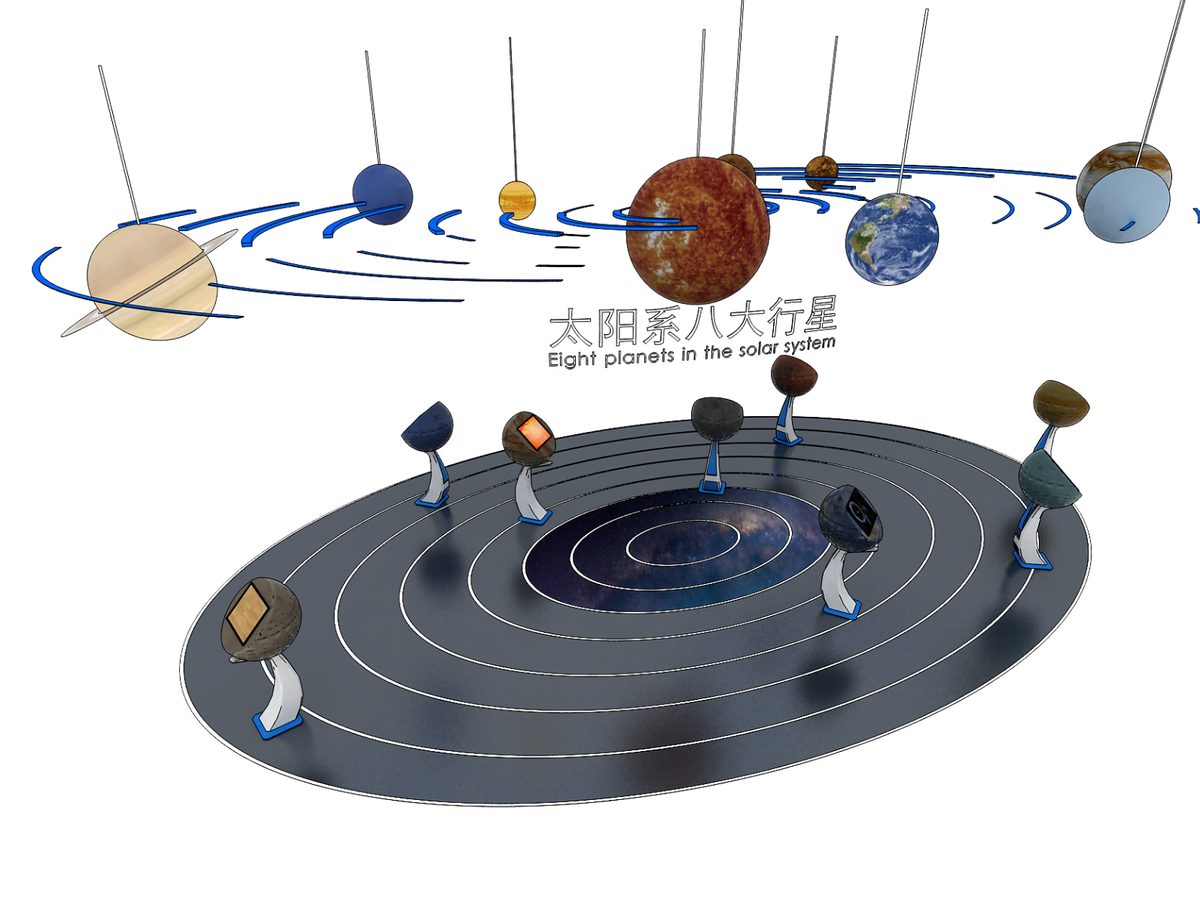
Solar System
Eight planets in scale by size and orbit on a suspended track.
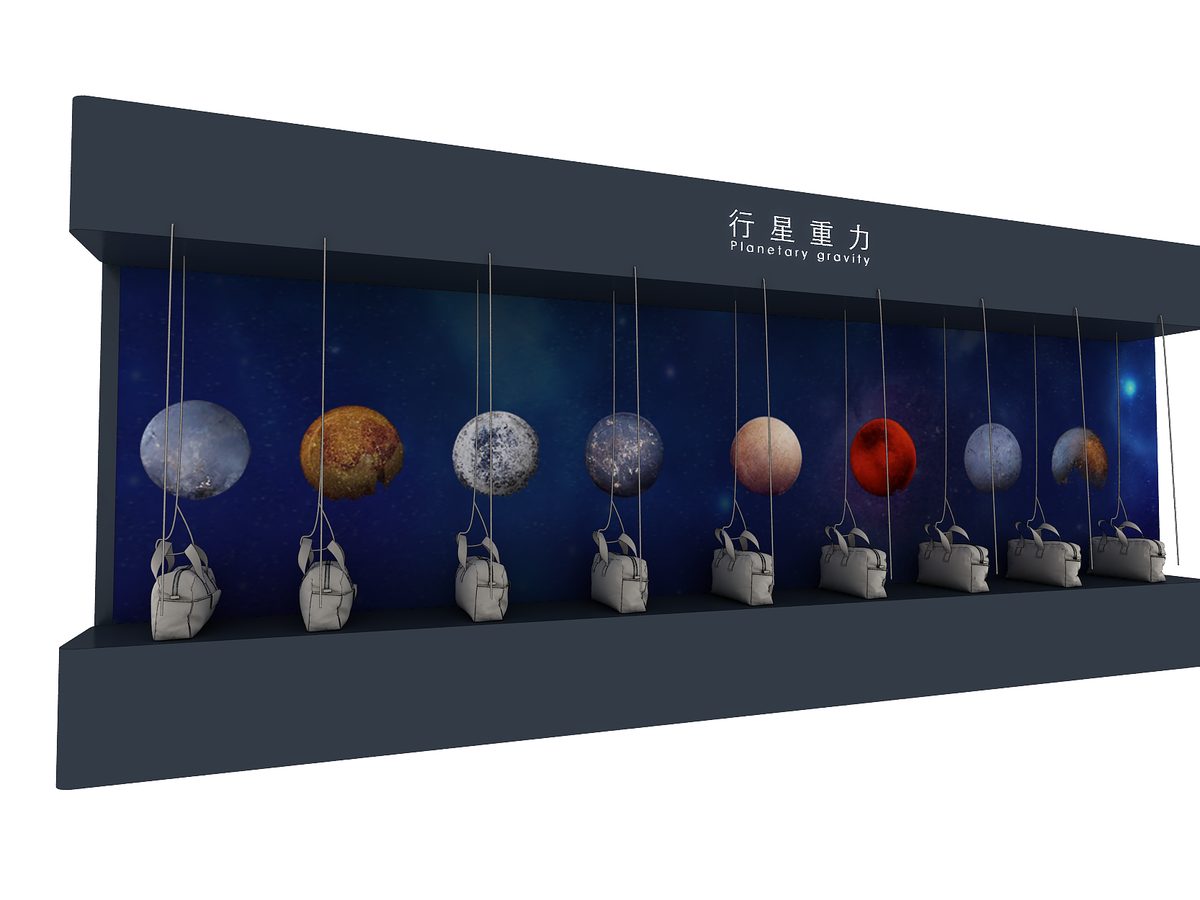
Planetary Gravity
Drop the same ball on four worlds and compare the fall.
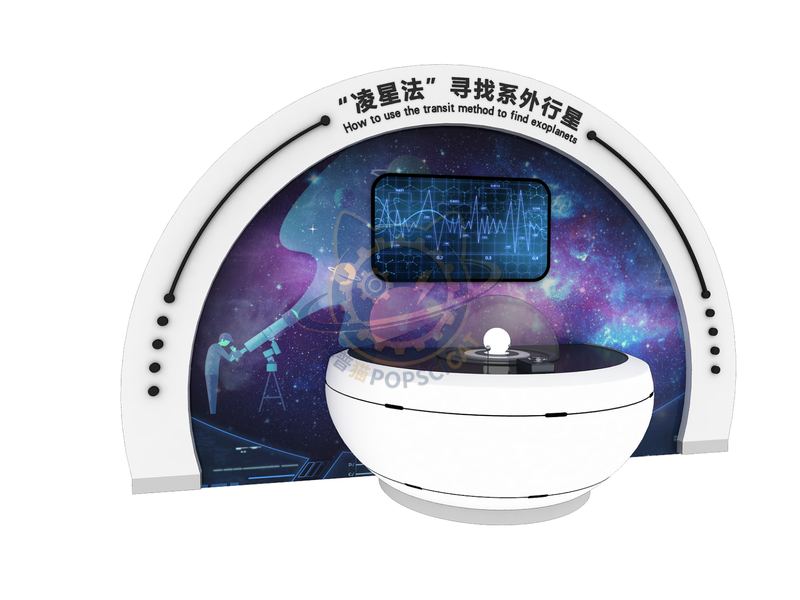
The 'Lingxing Method' for Searching for Exoplanets
Understand the basis and principles for determining exoplanets using the transit method.
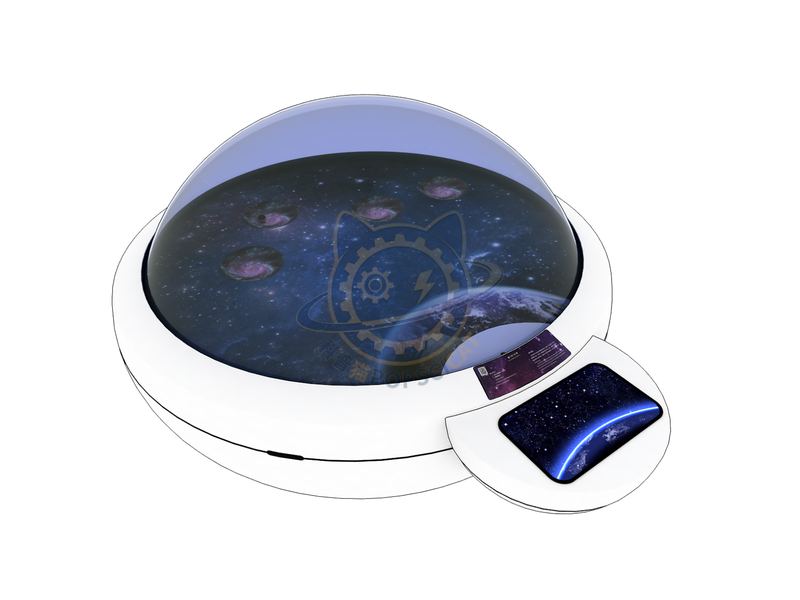
Gravity Wells and Planets
Understand the concept of gravity wells and the impact of gravity on planets.
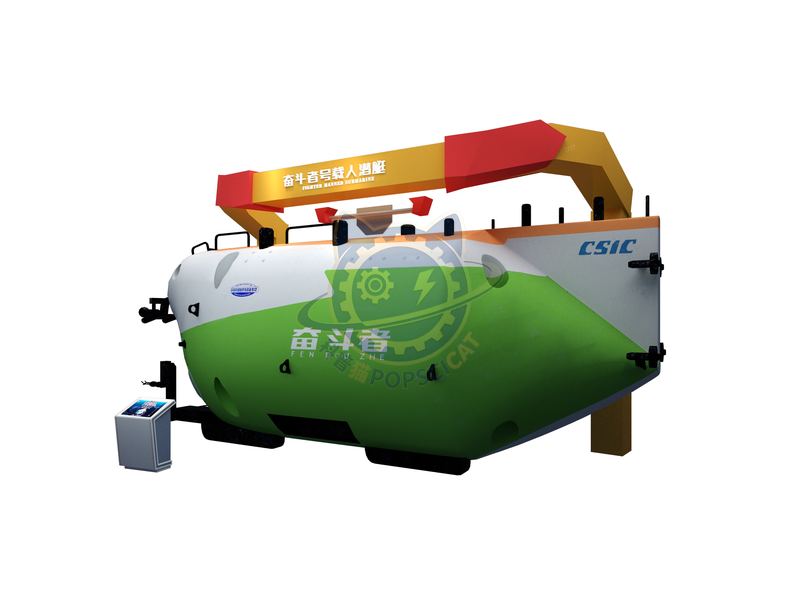
Struggler manned submarine
View and operate the Struggler submersible and related deep diving missions through a proportional model.
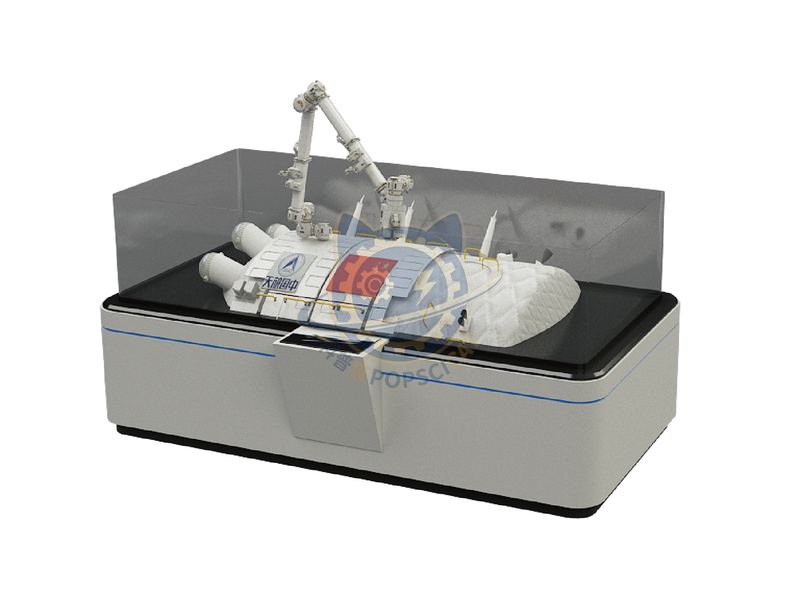
The 'Hand' of the Space Station
Control the robotic arm of the simulation space station to complete functions such as crawling, shifting,…
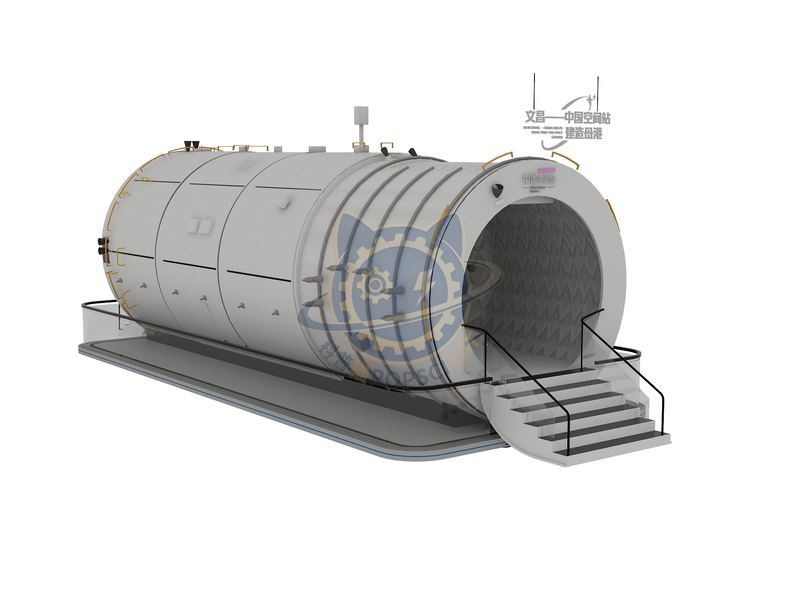
China Space Station
The restoration model of the large walk-in Dream Sky experimental module perfectly replicates the external structure…
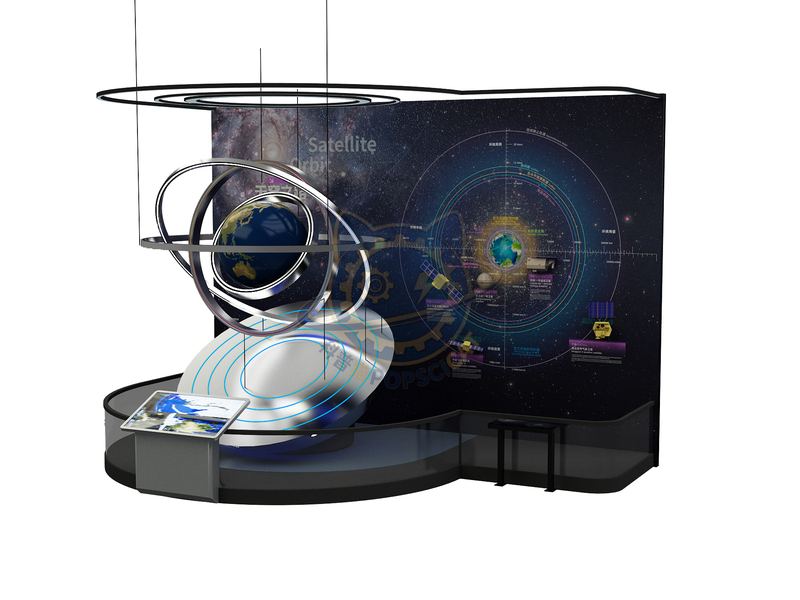
The Road to the Sky
The satellite telemetry and control system is a ground system for tracking, telemetry, and remote control of spacecraft.
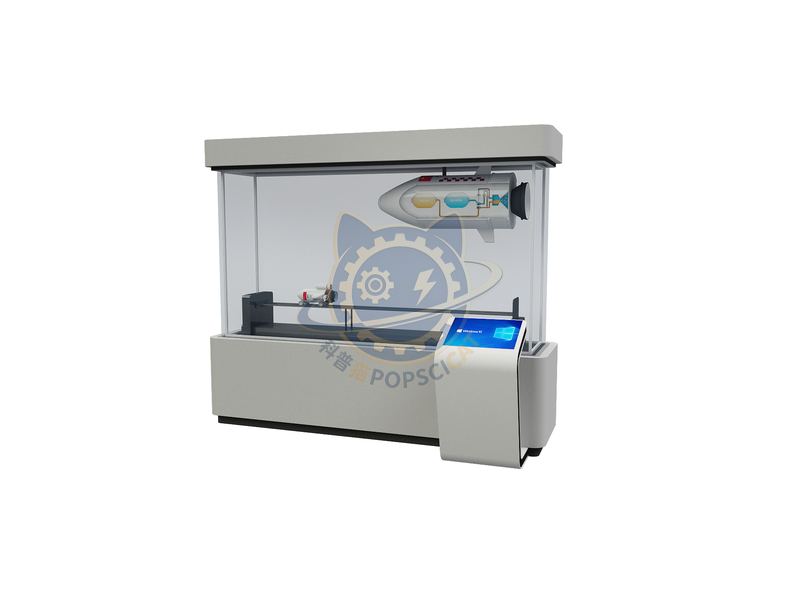
Rocket Launch Principle
Understand the basic principles of rocket launch and comprehend Newton's third law through a dynamic orbital launch…
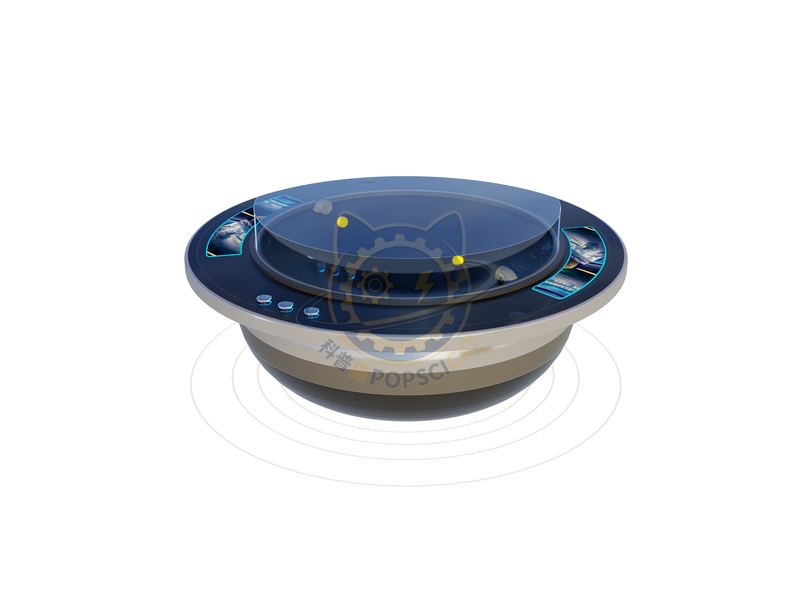
black hole
The exhibit allows visitors to release small balls on a funnel-shaped surface, simulate the trajectory of objects…
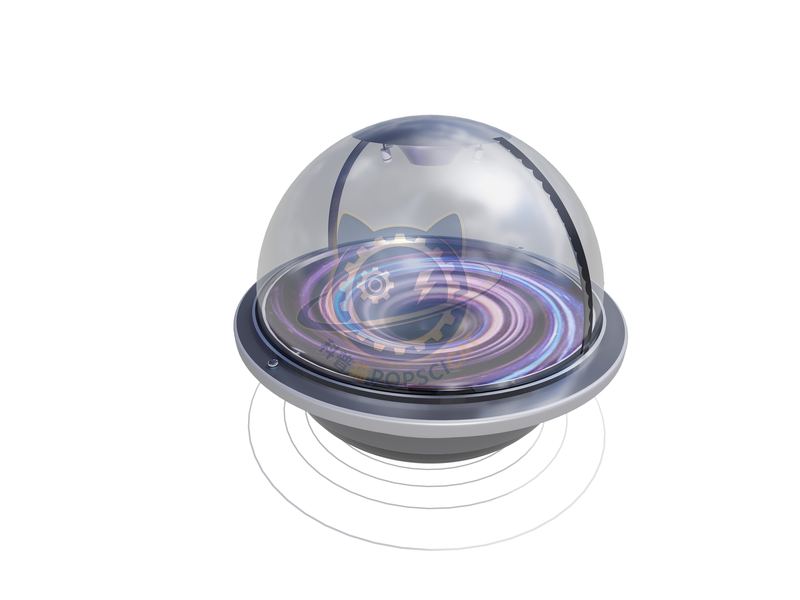
Accretion disk
The exhibit uses a rotating liquid surface to simulate a black hole accretion disk, a spotlight beam to simulate the…
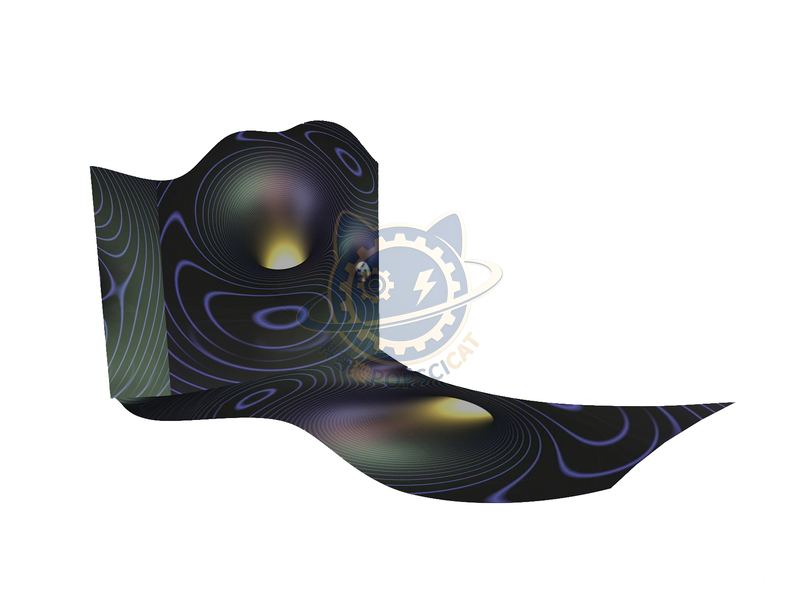
Gravity and spacetime curvature
The exhibit uses projected images to simulate time and space, with small balls wandering around.
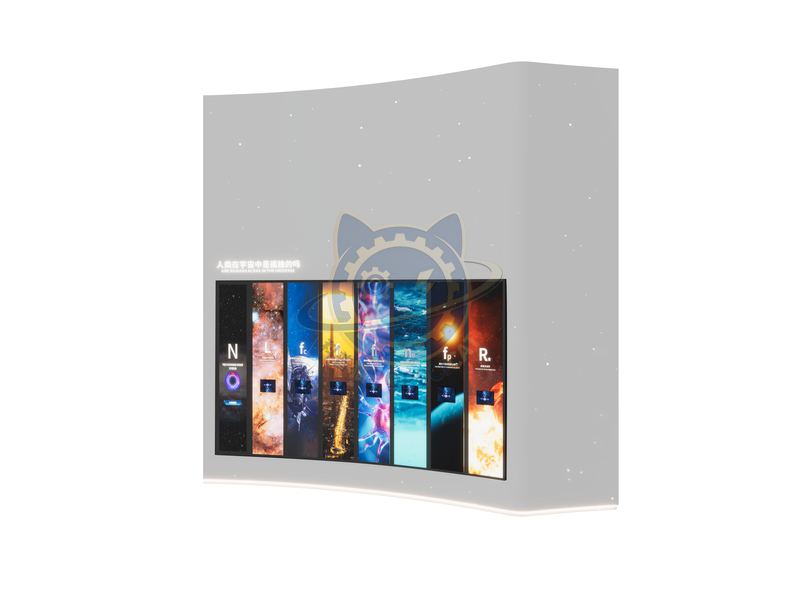
Are humans alone in the universe?
Whether humans are lonely in the universe is an unanswered question.
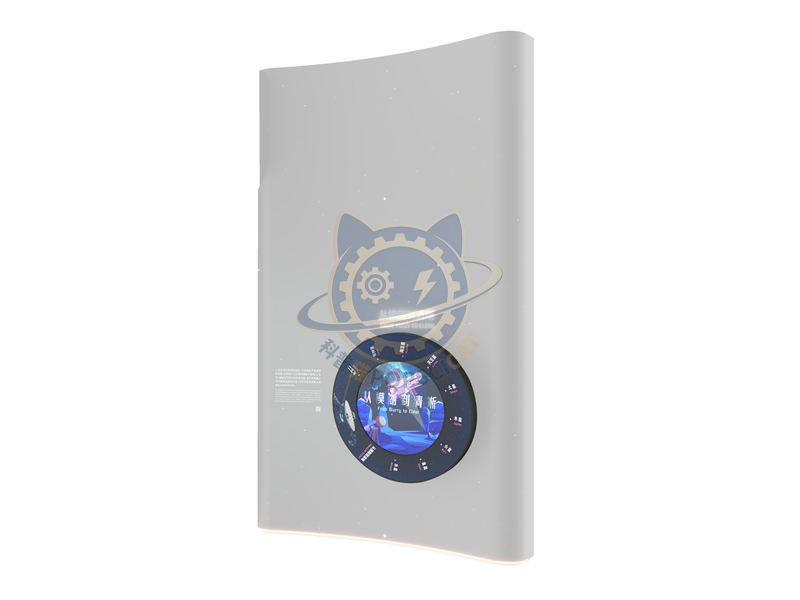
From fuzzy to clear
The exploration of the universe by humans has witnessed the development of technology and cognition.
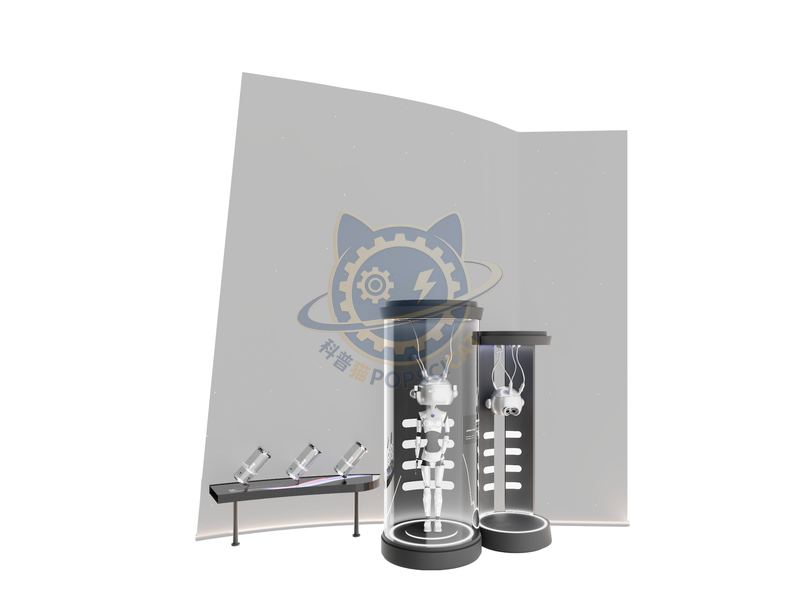
Space immigration
The late astronomer Carl Sagan emphasized that 'we live in the shooting range of the universe', surrounded by…
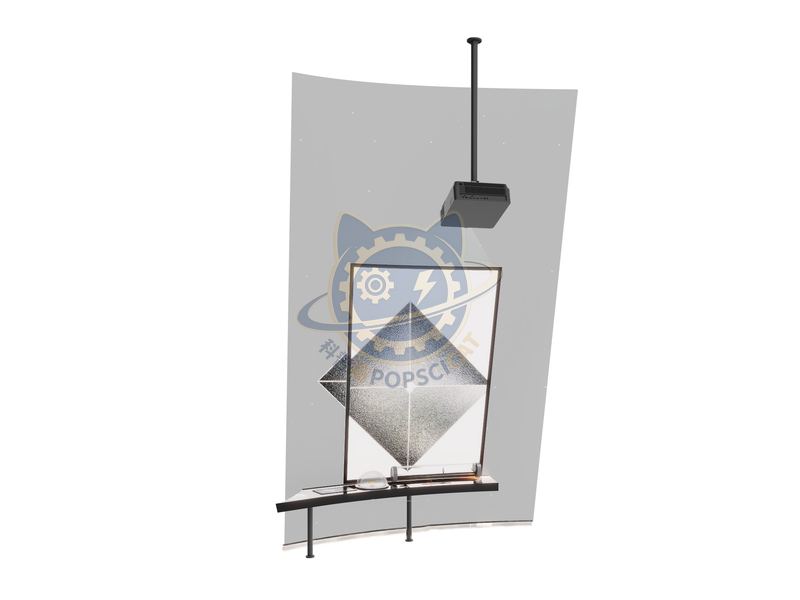
solar sail
The principle of traveling by light is similar to that of sailing on a sailboat.
The Aerospace & Astronomy line runs to 223 models; 89 of them have studio imagery and are listed above. The rest are catalogued by model and quoted on request — send us a theme and a floor plan and we will return the matching set with dimensions and power requirements.
