Nuclear engine

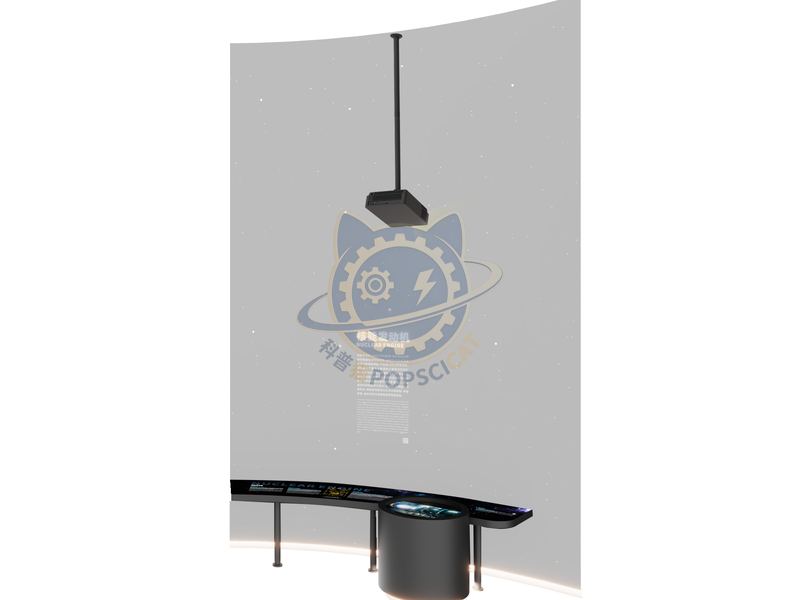
A nuclear engine is an engine that uses nuclear energy as a power source.

Nuclear engine — Aerospace & Astronomy exhibit for science museums
Studio rendering
CategoryAerospace & Astronomy
Standard sizeCustom size
SupplySingle unit or batch · OEM to your drawing
Lead timeStandard 4–8 weeks after deposit (confirmed per contract)
Warranty1 year, structure and control
DocumentsSpecification sheet · control diagram · spare-part list

A standard catalogue model: the dimensions, control package and finish are fixed, which is what keeps the price and the lead time predictable. Size, colour and interface language can be adapted without a new design cycle.

Ask about this model → Email us

Standard models from this range are also listed in our online store, priced in USD — see the price yourself ↗
01 / Overview

A nuclear engine is an engine that uses nuclear energy as a power source. The energy released through nuclear reactions heats liquid hydrogen, which rapidly transforms into hydrogen gas and reaches a high temperature (about 3000K). It is then accelerated and discharged through the nozzle at the rear of the engine, generating thrust. This type of nuclear engine is developed based on the commonly used chemical liquid rocket engine. For rocket engines, the smaller the molecular weight of the working fluid, the higher the specific impulse. Therefore, in order to increase the specific impulse and improve the efficiency of the engine, hydrogen, a substance with a very small molecular weight, is generally used as the working fluid. The ways in which nuclear energy is generated include nuclear fission, nuclear fusion, and isotope decay. At present, humans have not yet mastered controllable nuclear fusion technology, and the rate of energy release from isotope decay is too low. Therefore, the proposed nuclear engine schemes are generally based on nuclear fission.

02 / How visitors use it

The unit is designed for unsupervised public use: controls are recessed or shielded, moving parts are enclosed, and the interface is operable by a child of about six with no instruction. Where a screen is used, the language can be switched without changing the hardware, and the content can be replaced on site.

03 / The science behind it

Human beings are tirelessly exploring the vast universe, and strong propulsion is the key to human exploration of the universe. Chemical rockets have written page after page magnificent chapters in human space exploration activities. Nowadays, under the new mission of human exploration, new propulsion technologies such as lasers, solar energy, microwaves, and nuclear thermal energy have emerged. Among these technologies, nuclear rocket propulsion is undoubtedly one of the most promising for humanity to continue exploring space. Unlike conventional aviation engines that directly heat air by burning chemical fuels, nuclear aviation engines use the enormous heat released by nuclear fission to directly or indirectly heat the working fluid. One of the reasons why nuclear powered rockets have a promising future is the incredible energy density they provide. The nuclear reactor uses uranium (U) fuel, which produces an energy density 4 million times higher than typical chemical rocket propellant hydrazine (N2H4). Compared to carrying thousands of liters of chemical fuel.

04 / Built for a public floor

Every unit leaves the factory after a running test: mechanisms cycled, electronics burned in, edges dressed, fixings torqued and marked. Wear parts — bearings, sliders, lamps, belts, touch panels — are modular and listed on the spare-part sheet, so a venue technician can replace them without returning the exhibit. Crating is plywood with foam blocking; the loading plan and packing list travel with the shipment.

Same category

More in Aerospace & Astronomy

Other models from the Aerospace & Astronomy line, all held to the same specification and the same control package.

Start a project

Send us your exhibit list.
We will come back with a price.

Attach a theme outline, a floor plan, or nothing at all — a photo of the space is enough to start. Quotations are issued against a real exhibit list, not per-square-metre guesses.

WeChat QR code — scan to message us Scan to add us
on WeChat