The principle of traveling by light is similar to that of sailing on a sailboat.
| Category | Aerospace & Astronomy |
|---|---|
| Standard size | Custom size |
| Supply | Single unit or batch · OEM to your drawing |
| Lead time | Standard 4–8 weeks after deposit (confirmed per contract) |
| Warranty | 1 year, structure and control |
| Documents | Specification sheet · control diagram · spare-part list |
A standard catalogue model: the dimensions, control package and finish are fixed, which is what keeps the price and the lead time predictable. Size, colour and interface language can be adapted without a new design cycle.
Standard models from this range are also listed in our online store, priced in USD — see the price yourself ↗
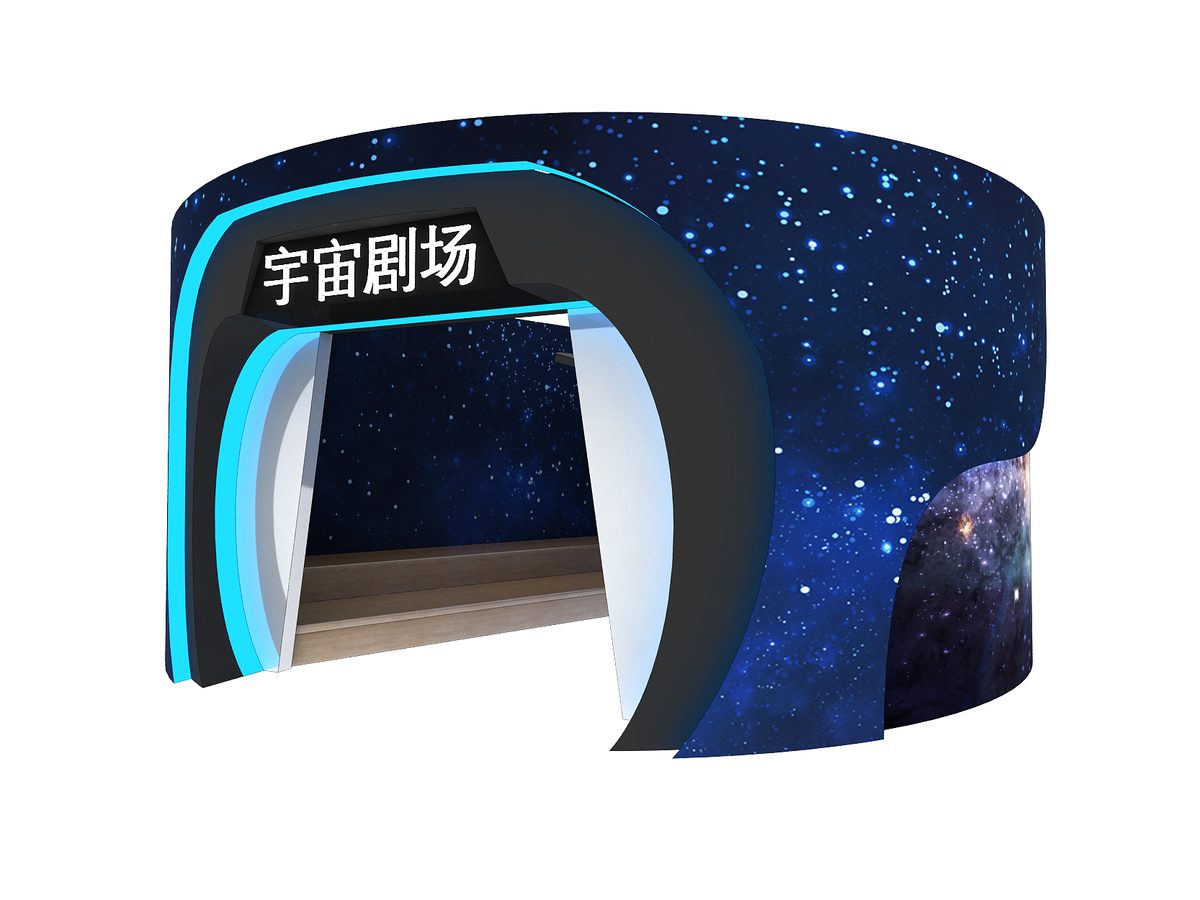
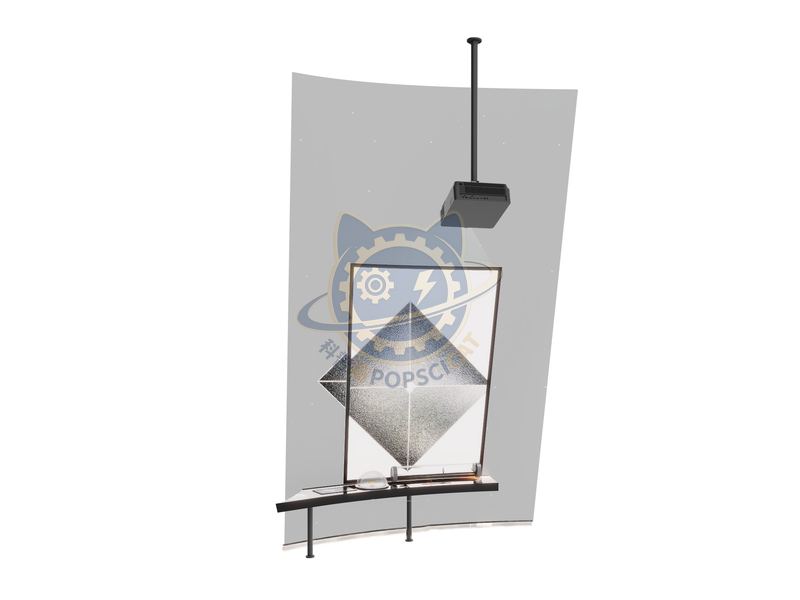
The principle of traveling by light is similar to that of sailing on a sailboat. The sun also has wind, which is a stable ion stream continuously emitted from the outer atmosphere of the sun. However, solar sails do not use solar wind, but rather solar light with a driving force more than 1000 times greater than solar wind. Light is composed of photons, and when a photon collides with a smooth plane, it can change its direction of motion like a ping-pong ball bouncing back from a wall, and exert a corresponding force on the impacting object. Due to the small thrust generated by solar pressure, spacecraft based on solar sails cannot take off from the ground. Spacecraft operating in space are in a weightless state, coupled with no air resistance, so a slight solar pressure can accelerate it, allowing solar sails to continuously accelerate the spacecraft without carrying fuel. The light from the sun provides endless propulsion, theoretically enabling spacecraft equipped with large solar sails to eventually reach 240000 kilometers per hour.
The unit is designed for unsupervised public use: controls are recessed or shielded, moving parts are enclosed, and the interface is operable by a child of about six with no instruction. Where a screen is used, the language can be switched without changing the hardware, and the content can be replaced on site.
Under ideal conditions, a spacecraft equipped with large solar sails will eventually reach a speed of 240000 kilometers per hour. The solar sail could even become the only spacecraft currently capable of carrying humans to the outer solar system. A solar sail spacecraft is a type of spacecraft that uses the light pressure of sunlight for space travel. The spacecraft obtains energy by carrying light pressure through the light sail. When the light sail is fully deployed, it looks like a sail and can continuously accelerate with energy as long as it is illuminated by light. Under ideal conditions, it can accelerate to tens of thousands of kilometers per second in just a few minutes and eventually stabilize at 20% of the speed of light. The origami technique is widely used in the engineering field, and its advantages such as portability, expandability, miniaturization, and lightweight lay the foundation for its application in the field of spatial structures. Unfolding space structure technology is a method for achieving spacecraft structural configuration, especially for space structures with unfolding and folding functions. Foldable solar panels have always been origami structures.
Every unit leaves the factory after a running test: mechanisms cycled, electronics burned in, edges dressed, fixings torqued and marked. Wear parts — bearings, sliders, lamps, belts, touch panels — are modular and listed on the spare-part sheet, so a venue technician can replace them without returning the exhibit. Crating is plywood with foam blocking; the loading plan and packing list travel with the shipment.
Other models from the Aerospace & Astronomy line, all held to the same specification and the same control package.

A curved screen and twelve seats for a six-minute flight.

Move a planet across the band and watch liquid water survive or boil.

A comet model whose tail always points away from the light source.

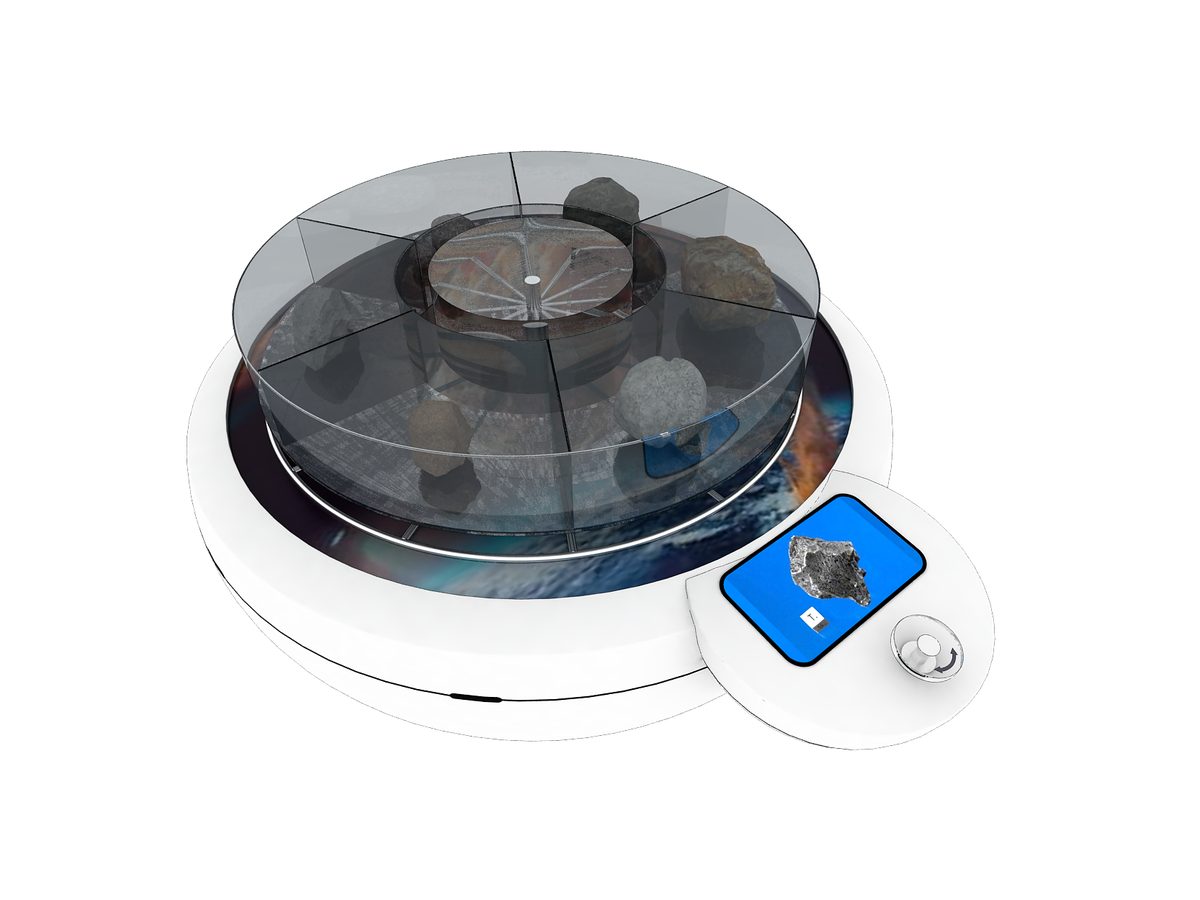
Real meteorite samples beside a simulated entry trail.
Attach a theme outline, a floor plan, or nothing at all — a photo of the space is enough to start. Quotations are issued against a real exhibit list, not per-square-metre guesses.
Scan to add us