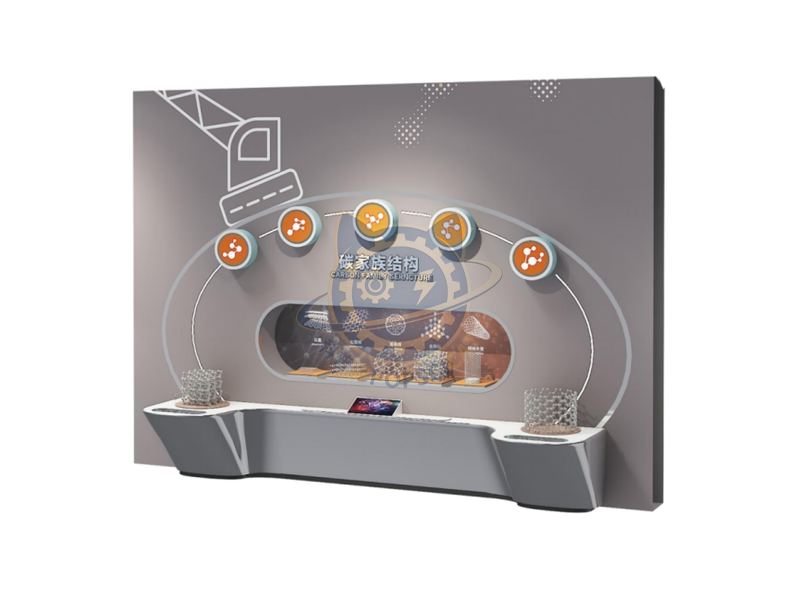
The allotropes of carbon refer to different forms of elemental carbon, such as diamond, graphite, fullerene, carbon…
| Category | Frontier Technology |
|---|---|
| Standard size | Custom size |
| Supply | Single unit or batch · OEM to your drawing |
| Lead time | Standard 4–8 weeks after deposit (confirmed per contract) |
| Warranty | 1 year, structure and control |
| Documents | Specification sheet · control diagram · spare-part list |
A standard catalogue model: the dimensions, control package and finish are fixed, which is what keeps the price and the lead time predictable. Size, colour and interface language can be adapted without a new design cycle.
Standard models from this range are also listed in our online store, priced in USD — see the price yourself ↗
The allotropes of carbon refer to different forms of elemental carbon, such as diamond, graphite, fullerene, carbon nanotubes, and graphene. Due to the different hybridization modes of carbon atoms (sp, sp ², sp ³), they exhibit diverse forms. These unique structures endow them with different properties, making them widely used in various fields such as lubricants and flexible electronics.
The unit is designed for unsupervised public use: controls are recessed or shielded, moving parts are enclosed, and the interface is operable by a child of about six with no instruction. Where a screen is used, the language can be switched without changing the hardware, and the content can be replaced on site.
(1) Carbon allotropes and their characteristics: 1. Graphite structure: composed of hexagonal layers of carbon atoms, which interact with each other through van der Waals forces; Characteristics: It has good electrical and thermal conductivity, and is easy to slide between layers, making it an ideal material for lubricants. Application: In addition to pencil leads, graphite is also used as battery electrodes, lubricants, and as a neutron moderator in reactors. two Diamond structure: Carbon atoms are arranged in tetrahedra, and each carbon atom shares electrons with four other carbon atoms to form strong covalent bonds; Characteristics: extremely high hardness and thermal conductivity, as well as excellent optical properties such as refraction and dispersion. Application: As a cutting tool, bearing for high-precision instruments, and high-end jewelry. three Fullerenes structure: spherical, elliptical, or tubular structures composed of carbon atoms.
Every unit leaves the factory after a running test: mechanisms cycled, electronics burned in, edges dressed, fixings torqued and marked. Wear parts — bearings, sliders, lamps, belts, touch panels — are modular and listed on the spare-part sheet, so a venue technician can replace them without returning the exhibit. Crating is plywood with foam blocking; the loading plan and packing list travel with the shipment.
Other models from the Frontier Technology line, all held to the same specification and the same control package.

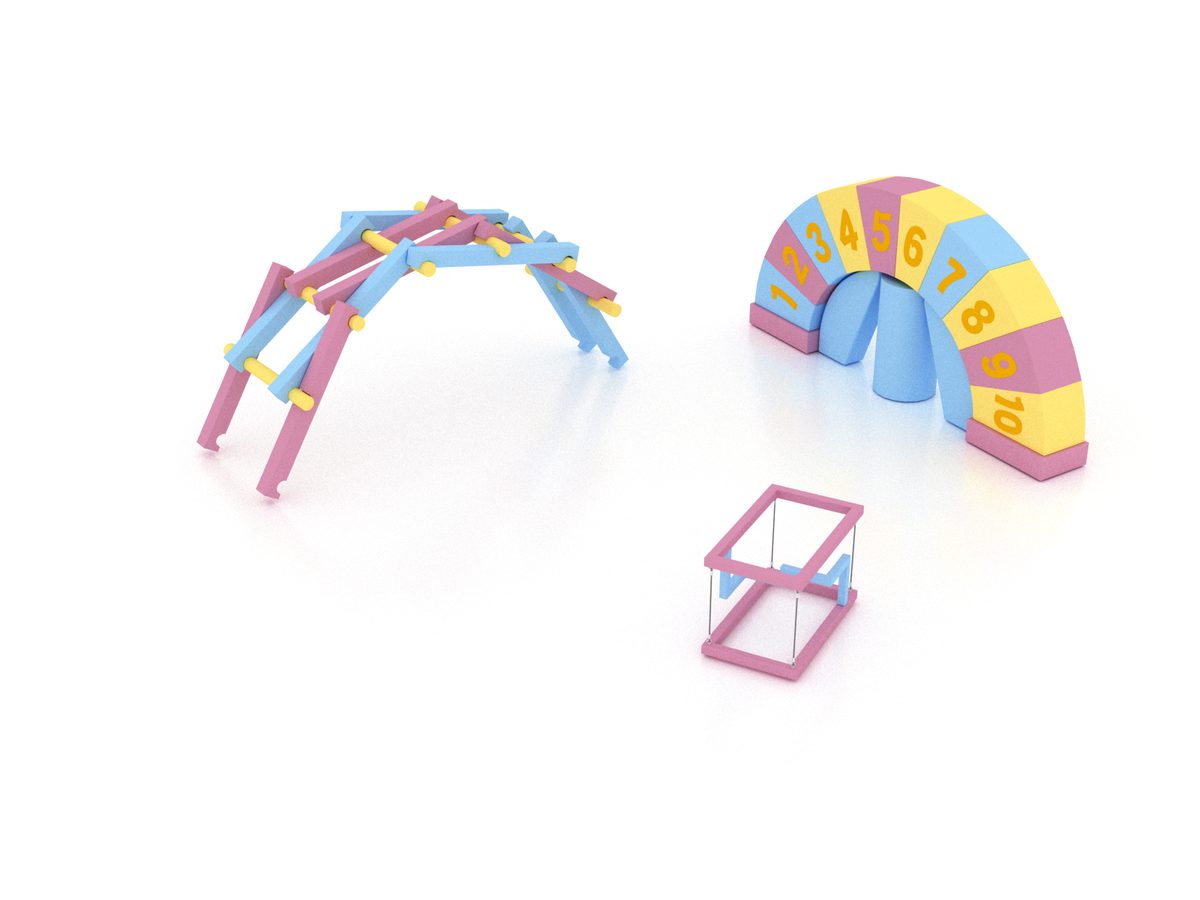
Build a span from interchangeable parts and load it until it fails.

Shape-memory alloy, aerogel and carbon fibre under the visitor's hand.

Build a lattice from magnetic balls and see why a crystal cleaves.

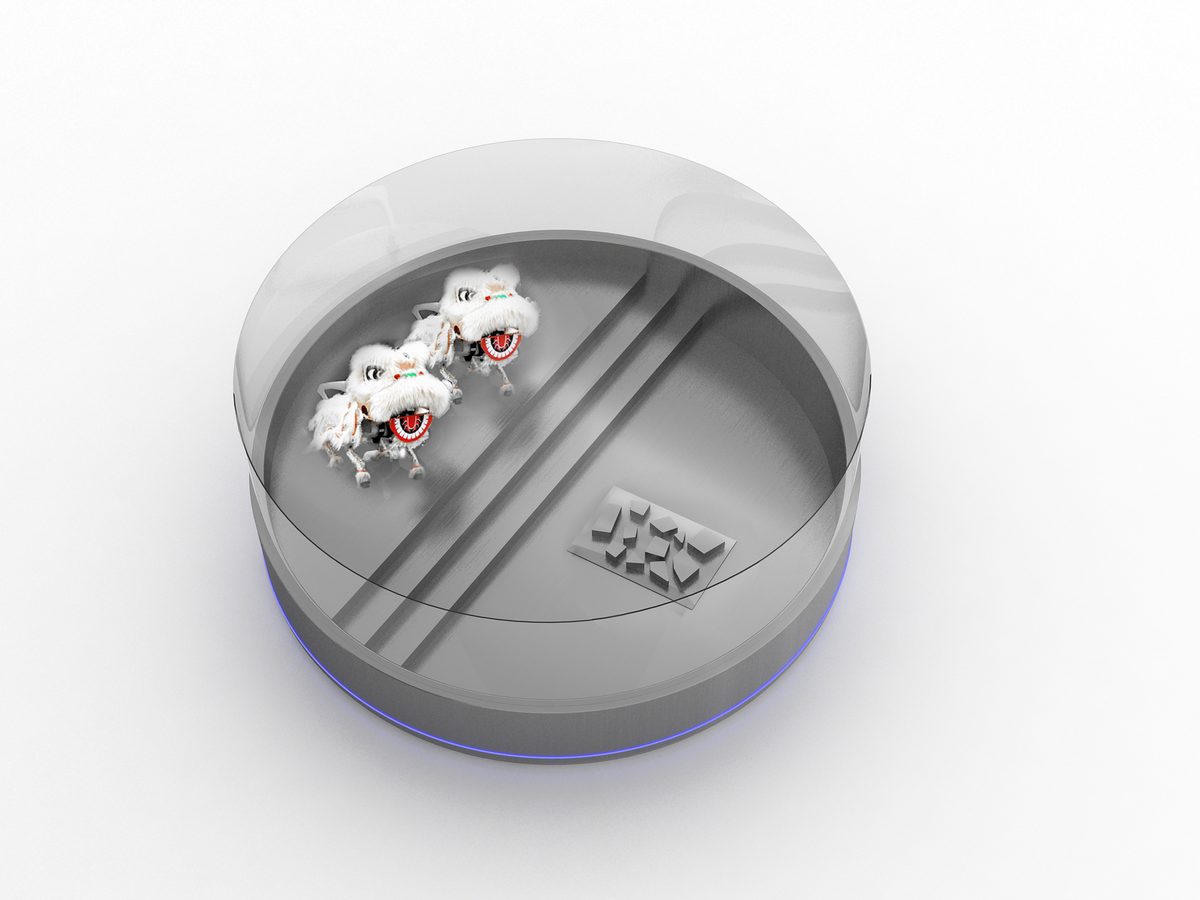
Four arms perform a synchronised routine behind a glass wall.
Attach a theme outline, a floor plan, or nothing at all — a photo of the space is enough to start. Quotations are issued against a real exhibit list, not per-square-metre guesses.
Scan to add us