Home/Exhibits/Frontier Technology/Hardness comparison

Hardness comparison

Hardness is the ability of a material to resist local pressure from hard objects on its surface.

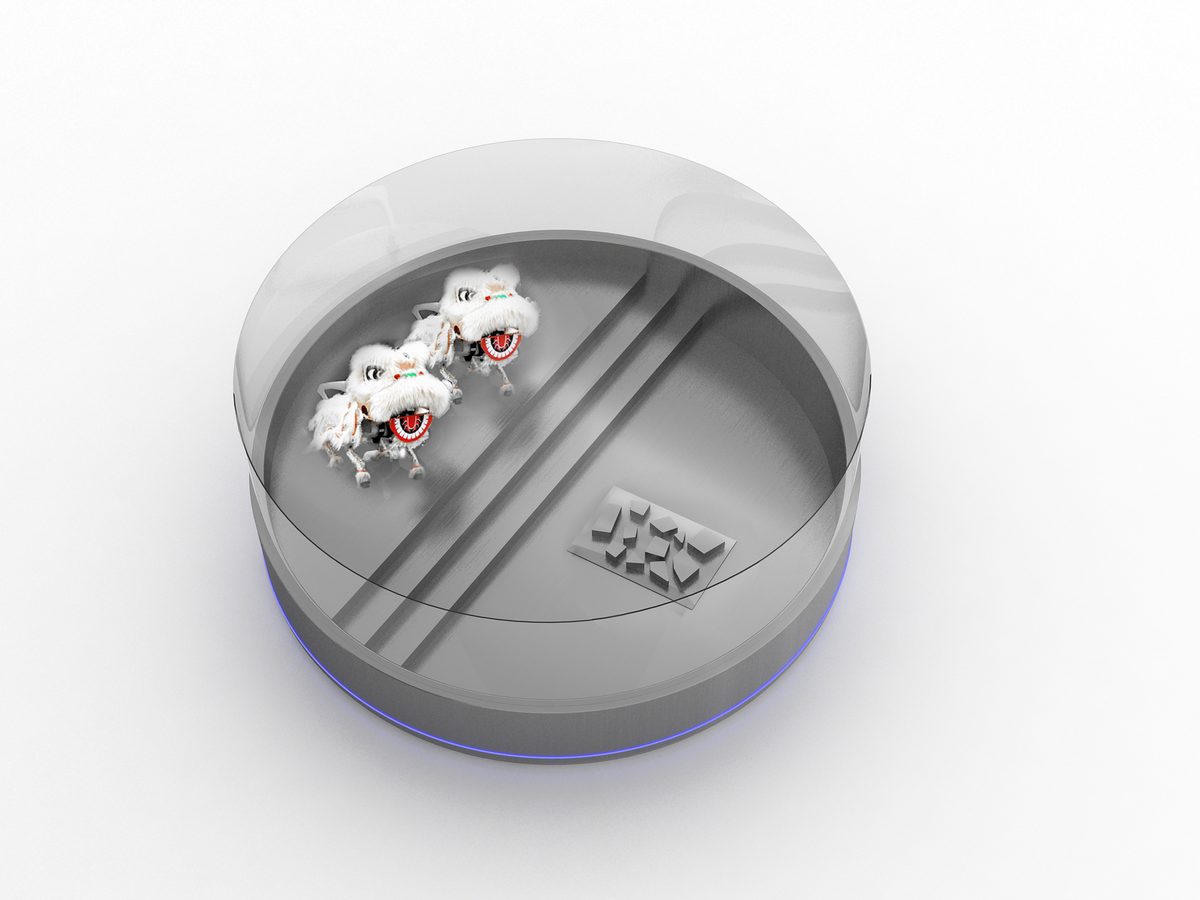
Hardness comparison — Frontier Technology exhibit for science museums
Studio rendering
CategoryFrontier Technology
Standard sizeCustom size
SupplySingle unit or batch · OEM to your drawing
Lead timeStandard 4–8 weeks after deposit (confirmed per contract)
Warranty1 year, structure and control
DocumentsSpecification sheet · control diagram · spare-part list

A standard catalogue model: the dimensions, control package and finish are fixed, which is what keeps the price and the lead time predictable. Size, colour and interface language can be adapted without a new design cycle.

Ask about this model → Email us

Standard models from this range are also listed in our online store, priced in USD — see the price yourself ↗

01 / Overview

Hardness is the ability of a material to resist local pressure from hard objects on its surface. Traditional Shore hardness testing relies on a hard punch falling from a fixed height onto the surface of the specimen, and calculates the hardness value by the ratio of the rebound height of the punch to the initial drop height. This exhibit uses high hardness metal balls as impact carriers to replicate the testing principle. Shore hardness testing has the characteristics of fast measurement speed and low test force. After testing, the workpiece is almost undamaged and suitable for on-site testing of large workpieces. It is one of the core reference indicators in metal rolling technology.

02 / How visitors use it

The unit is designed for unsupervised public use: controls are recessed or shielded, moving parts are enclosed, and the interface is operable by a child of about six with no instruction. Where a screen is used, the language can be switched without changing the hardware, and the content can be replaced on site.

03 / The science behind it

(1) The principle of this exhibit refers to the Shore hardness test. Shore hardness is a measure of the hardness of metal materials, measured in HS, using dynamic rebound measurement method. This testing method was invented by Albert Ferdinand Shore in the late 19th and early 20th centuries, hence its name. The scientific principle of Shore hardness testing is based on the material's resistance to local deformation, that is, the ability of its surface or internal structure to resist being pressed in or undergoing plastic deformation when subjected to a certain pressure. (2) Scientific principle a. Testing device: Shore hardness testing usually uses a Shore hardness tester, which is a handheld measuring tool that includes a diamond punch (usually conical or spherical) that can fall freely. b. Testing principle: During testing, the diamond punch falls freely from a fixed height and impacts the surface of the sample. The punch will bounce after impact, and the ratio of the height of its bounce to the height of its fall is determined.

04 / Built for a public floor

Every unit leaves the factory after a running test: mechanisms cycled, electronics burned in, edges dressed, fixings torqued and marked. Wear parts — bearings, sliders, lamps, belts, touch panels — are modular and listed on the spare-part sheet, so a venue technician can replace them without returning the exhibit. Crating is plywood with foam blocking; the loading plan and packing list travel with the shipment.

Same category

More in Frontier Technology

Other models from the Frontier Technology line, all held to the same specification and the same control package.

Start a project

Send us your exhibit list.
We will come back with a price.

Attach a theme outline, a floor plan, or nothing at all — a photo of the space is enough to start. Quotations are issued against a real exhibit list, not per-square-metre guesses.

WeChat QR code — scan to message us Scan to add us
on WeChat