Stealth materials are a type of special functional material that can reduce the probability of target detection and…
| Category | Frontier Technology |
|---|---|
| Standard size | Custom size |
| Supply | Single unit or batch · OEM to your drawing |
| Lead time | Standard 4–8 weeks after deposit (confirmed per contract) |
| Warranty | 1 year, structure and control |
| Documents | Specification sheet · control diagram · spare-part list |
A standard catalogue model: the dimensions, control package and finish are fixed, which is what keeps the price and the lead time predictable. Size, colour and interface language can be adapted without a new design cycle.
Standard models from this range are also listed in our online store, priced in USD — see the price yourself ↗
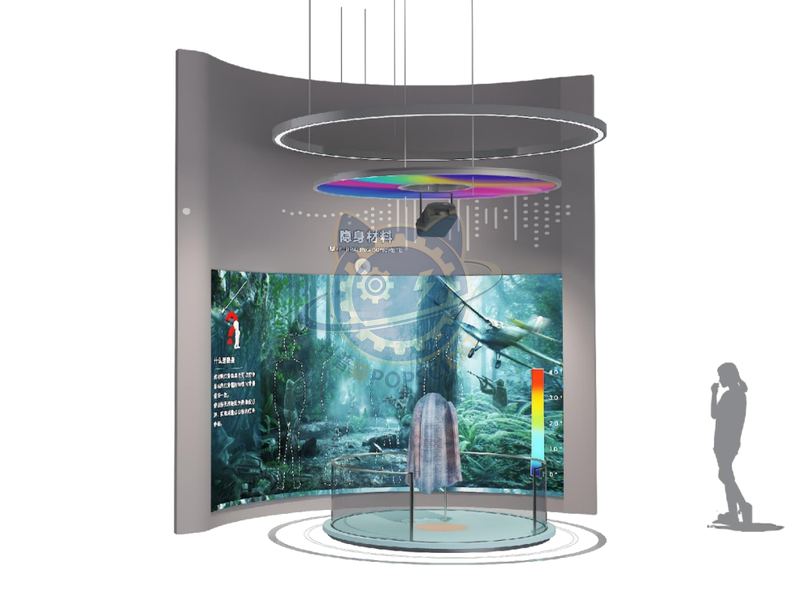
Stealth materials are a type of special functional material that can reduce the probability of target detection and enhance equipment survivability. As the core of stealth technology, it can be traced back to radar absorbing materials developed by Dutch scientists in the 1930s. According to their functional spectrum, stealth materials are mainly divided into acoustic, radar, infrared, visible light, and laser stealth types. Among them, infrared stealth materials can reduce the detectability of objects in the infrared band, mainly including insulation materials, phase change materials, and low emissivity materials. They achieve camouflage by reducing surface temperature, adjusting heat changes, and reducing infrared radiation, respectively. The "invisibility cloak" in this exhibit mainly utilizes low emissivity material technology in infrared stealth materials. In addition, radar stealth materials achieve stealth by absorbing or interfering with electromagnetic waves, visible light stealth materials rely on optical camouflage coatings for camouflage, and laser stealth and acoustic stealth materials can reduce laser detection and acoustic signals. This type of material.
The unit is designed for unsupervised public use: controls are recessed or shielded, moving parts are enclosed, and the interface is operable by a child of about six with no instruction. Where a screen is used, the language can be switched without changing the hardware, and the content can be replaced on site.
Stealth materials are a type of functional material that can weaken the target's own characteristic signals (including infrared, electromagnetic, optical, acoustic, etc.) and prevent the target from being recognized by detection equipment. They are widely used in military, aerospace and other fields. According to the type of suppressed characteristic signals, stealth materials can be divided into multiple categories such as infrared stealth materials, electromagnetic stealth materials, optical stealth materials, acoustic stealth materials, etc. Each type of material achieves stealth effects by regulating its own physical and chemical properties for different detection methods. Among them, infrared stealth materials are an important component of stealth material systems. The core is to control the infrared radiation characteristics of the target (temperature, emissivity, etc.), reduce its infrared contrast with the environment, and avoid being recognized by infrared detection devices. Traditional infrared stealth materials are mainly divided into three categories: thermal insulation materials, phase change materials, and low emissivity infrared materials. The mechanisms and application characteristics of each type of material are as follows: · Thermal insulation materials: mainly used to reduce.
Every unit leaves the factory after a running test: mechanisms cycled, electronics burned in, edges dressed, fixings torqued and marked. Wear parts — bearings, sliders, lamps, belts, touch panels — are modular and listed on the spare-part sheet, so a venue technician can replace them without returning the exhibit. Crating is plywood with foam blocking; the loading plan and packing list travel with the shipment.
Other models from the Frontier Technology line, all held to the same specification and the same control package.

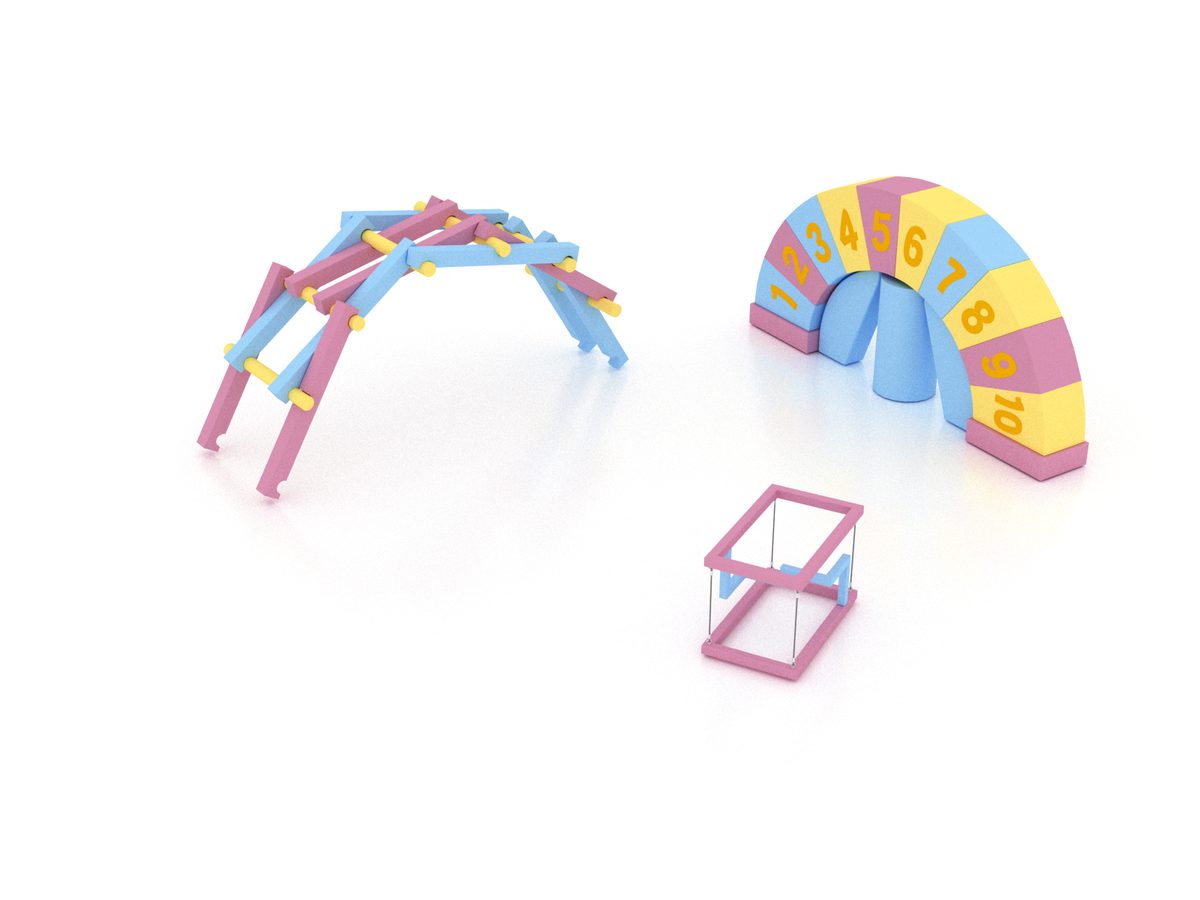
Build a span from interchangeable parts and load it until it fails.

Shape-memory alloy, aerogel and carbon fibre under the visitor's hand.

Build a lattice from magnetic balls and see why a crystal cleaves.

Four arms perform a synchronised routine behind a glass wall.
Attach a theme outline, a floor plan, or nothing at all — a photo of the space is enough to start. Quotations are issued against a real exhibit list, not per-square-metre guesses.
Scan to add us