Gene therapy drugs are a type of drug that delivers target genes with specific sequences to specific target cells in…
| Category | Life Science & Health |
|---|---|
| Standard size | Custom size |
| Supply | Single unit or batch · OEM to your drawing |
| Lead time | Standard 4–8 weeks after deposit (confirmed per contract) |
| Warranty | 1 year, structure and control |
| Documents | Specification sheet · control diagram · spare-part list |
A standard catalogue model: the dimensions, control package and finish are fixed, which is what keeps the price and the lead time predictable. Size, colour and interface language can be adapted without a new design cycle.
Standard models from this range are also listed in our online store, priced in USD — see the price yourself ↗
Gene therapy drugs are a type of drug that delivers target genes with specific sequences to specific target cells in the human body through vectors, allowing them to be stably expressed in the target cells. The expression products (such as proteins or RNA) interfere with and regulate the gene function of the target cells, thereby achieving disease treatment. With the continuous development and integration progress of molecular biology, molecular genetics, clinical medicine and other multi-disciplinary technologies, gene therapy drugs have entered the stage of large-scale and systematic clinical research, with a wide range of applications, which can be used for clinical treatment and research of tumors, genetic diseases, cardiovascular diseases, neurological diseases, autoimmune diseases, infectious diseases and other diseases.
The unit is designed for unsupervised public use: controls are recessed or shielded, moving parts are enclosed, and the interface is operable by a child of about six with no instruction. Where a screen is used, the language can be switched without changing the hardware, and the content can be replaced on site.
Oncolytic virus is a specially designed virus that can replicate specifically in tumor cells and cause cell lysis, but has weak toxicity to normal cells. The basic idea of oncolytic virus therapy for cancer is to selectively infect tumor cells with natural or genetically modified viruses, kill and lyse cancer cells through virus replication, and release viruses that continue to invade cancer cells to exert their effects. The tumor antigens released after tumor cell lysis can trigger an immune response, guiding the immune system to attack other tumor cells. The mechanism by which oncolytic viruses kill tumor cells has not been fully understood. The currently recognized mechanisms mainly include: oncolytic viruses proliferate extensively in tumor cells through self replication, ultimately lysing tumor cells and releasing more oncolytic viruses, causing tumor lysis; Oncolytic viruses can induce systemic and local anti-tumor immunity, activate T cells to target and kill tumor cells, and cause tumor regression.
Every unit leaves the factory after a running test: mechanisms cycled, electronics burned in, edges dressed, fixings torqued and marked. Wear parts — bearings, sliders, lamps, belts, touch panels — are modular and listed on the spare-part sheet, so a venue technician can replace them without returning the exhibit. Crating is plywood with foam blocking; the loading plan and packing list travel with the shipment.
Other models from the Life Science & Health line, all held to the same specification and the same control package.

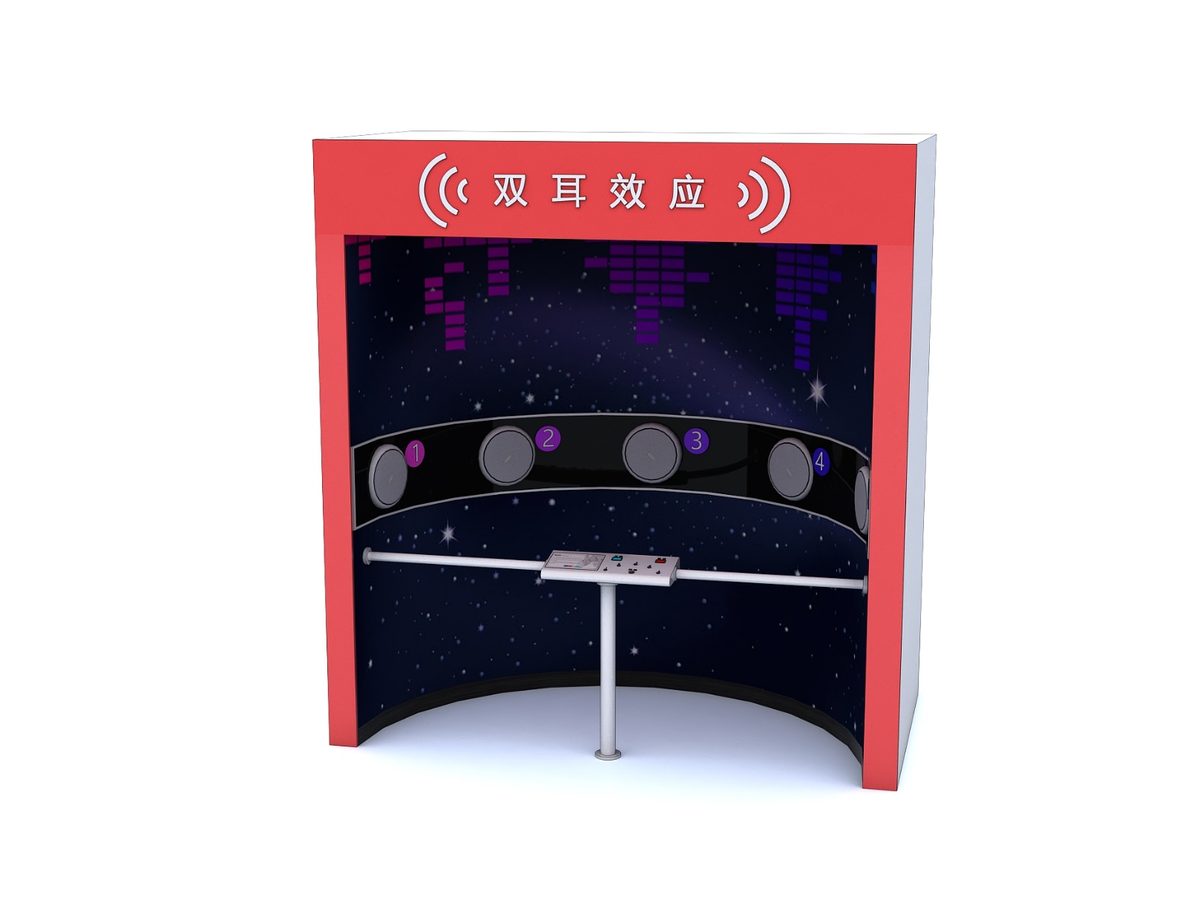
Sound reaches two ears at different times; visitors point to the source.

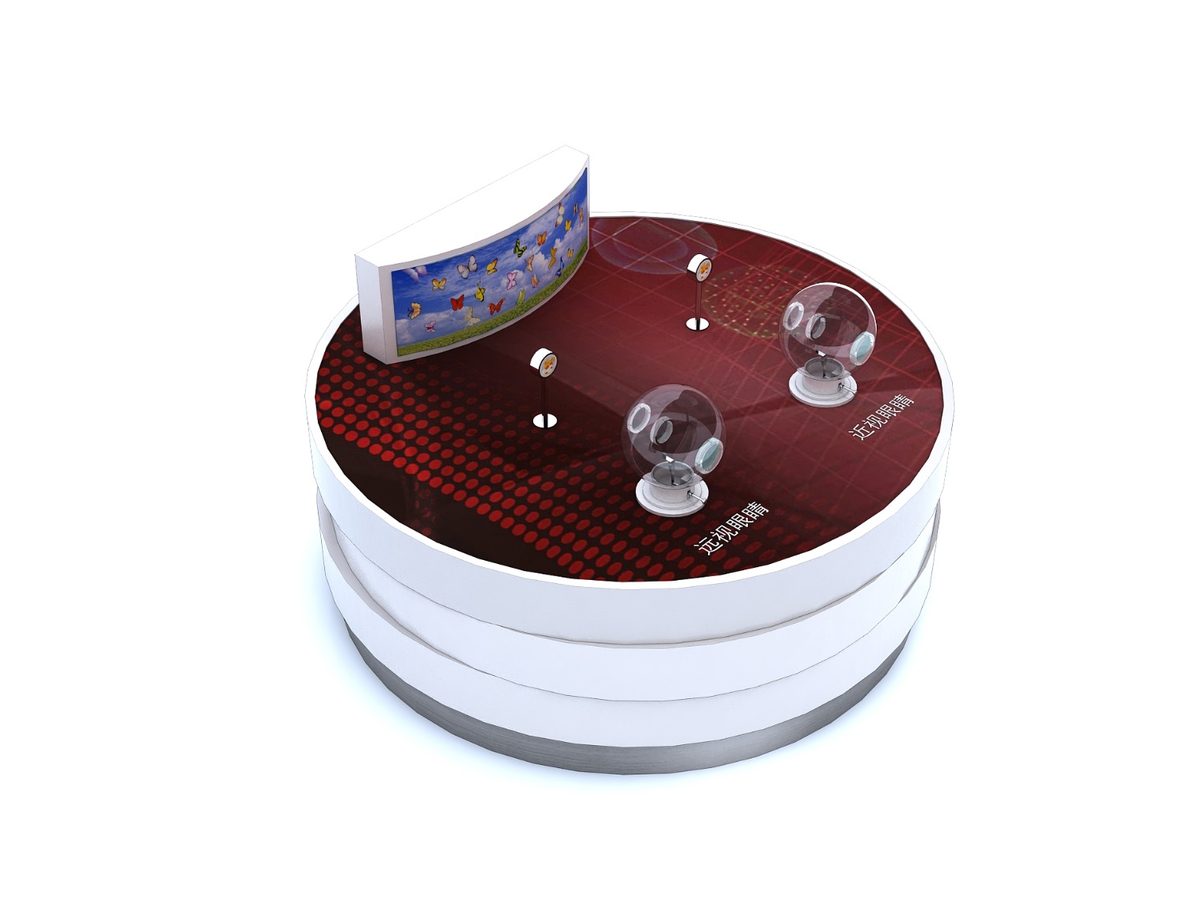
An adjustable lens projects a real image onto a retina screen.

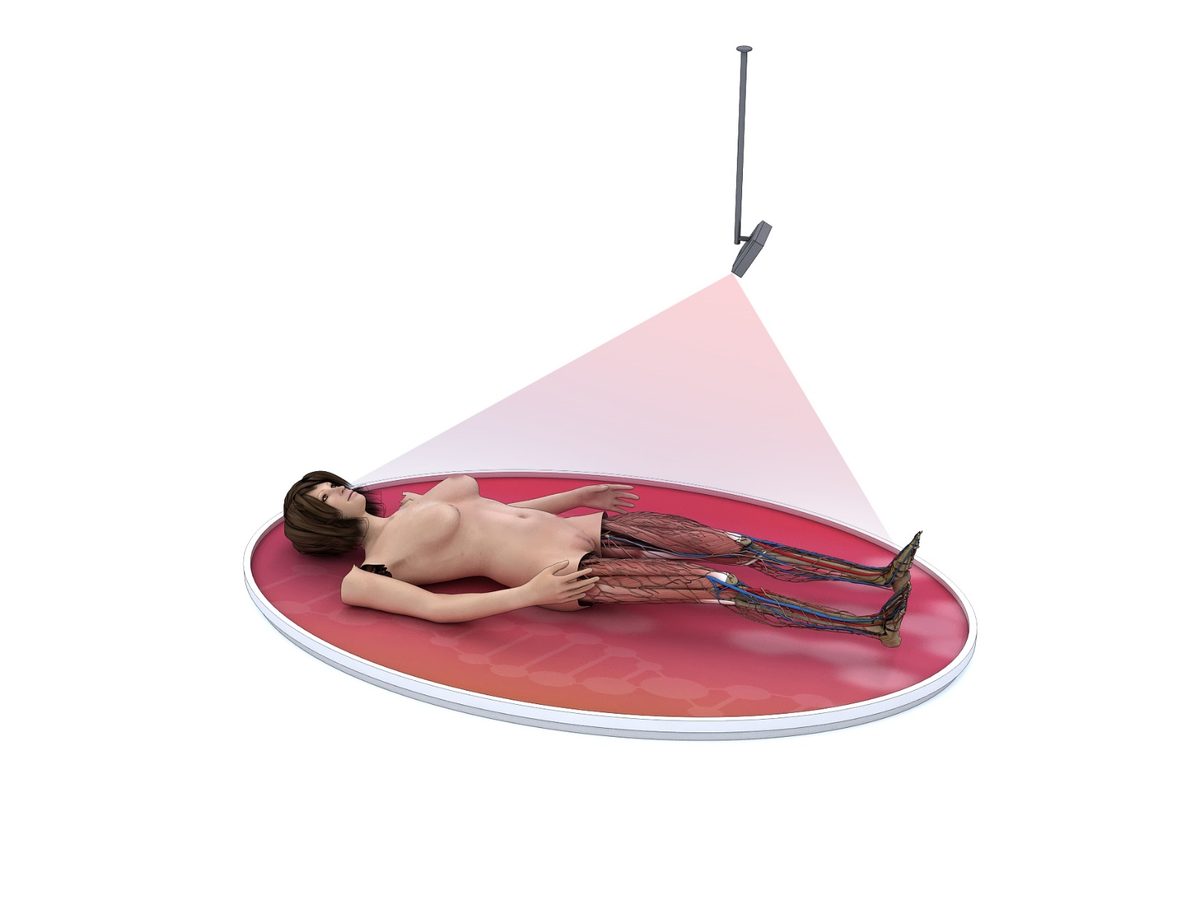
Projected anatomy on a body-sized screen layer by layer.

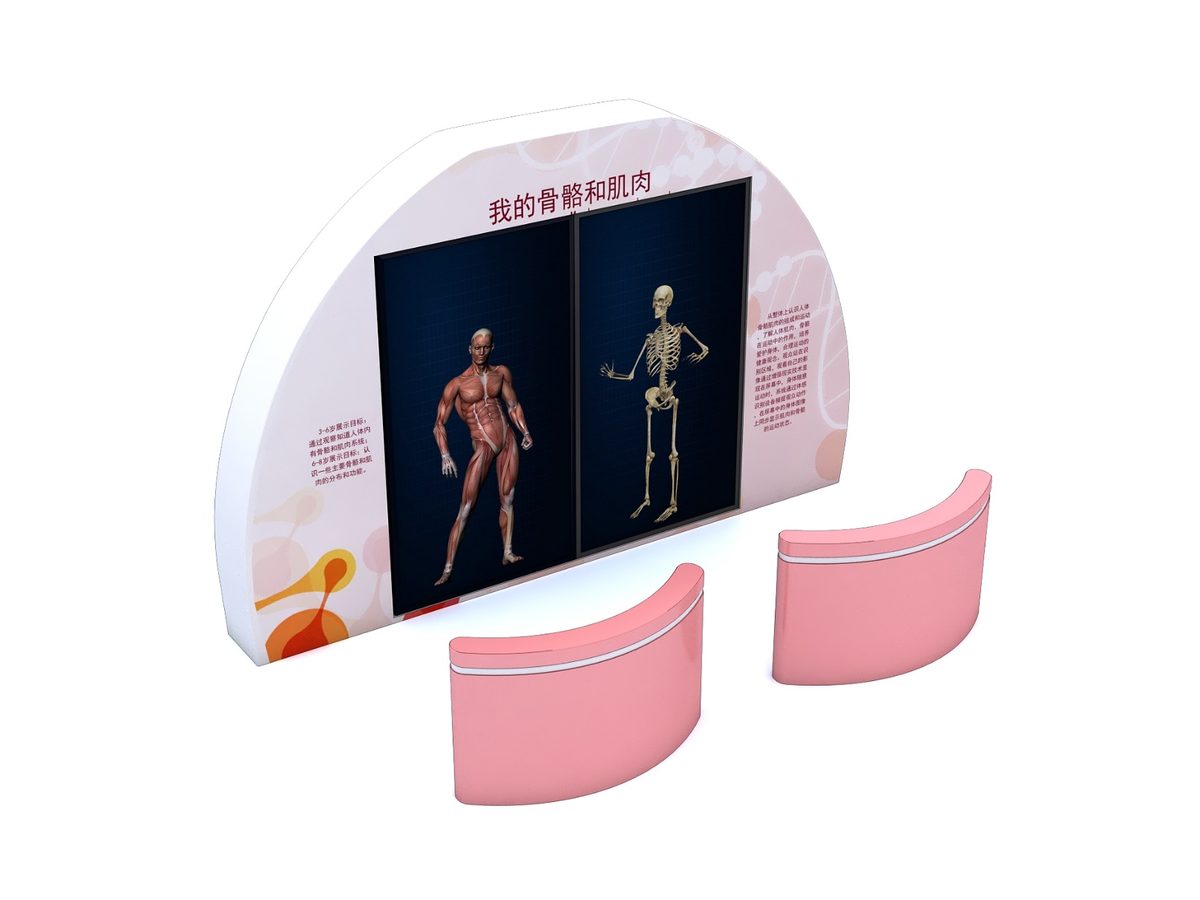
Contract a model biceps and watch the tendon pull the forearm.
Attach a theme outline, a floor plan, or nothing at all — a photo of the space is enough to start. Quotations are issued against a real exhibit list, not per-square-metre guesses.
Scan to add us