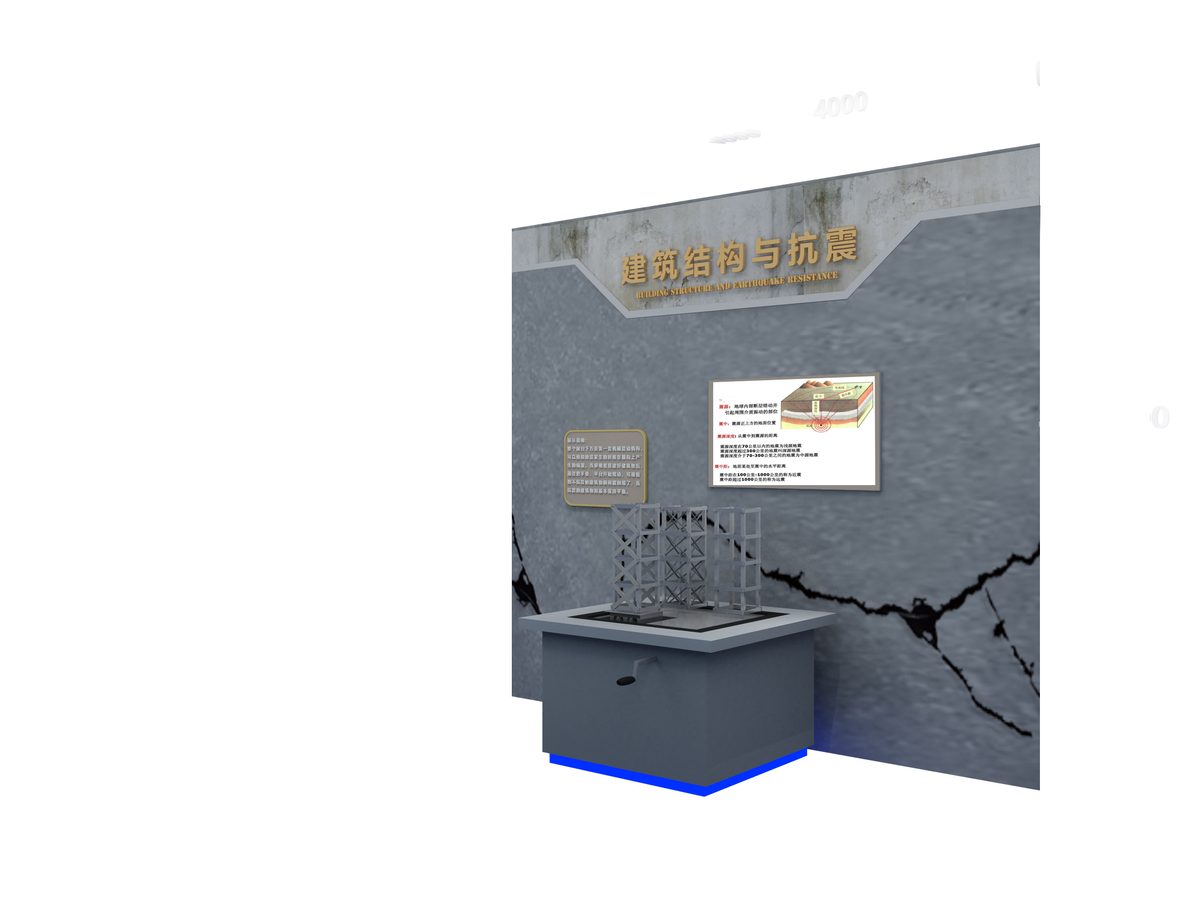
Build a frame on a shake table and test it to failure.
| Category | Safety & Emergency |
|---|---|
| Standard size | 1500 x 1500 x 3000 mm |
| Supply | Single unit or batch · OEM to your drawing |
| Lead time | Standard 4–8 weeks after deposit (confirmed per contract) |
| Warranty | 1 year, structure and control |
| Documents | Specification sheet · control diagram · spare-part list |
A standard catalogue model: the dimensions, control package and finish are fixed, which is what keeps the price and the lead time predictable. Size, colour and interface language can be adapted without a new design cycle.
Standard models from this range are also listed in our online store, priced in USD — see the price yourself ↗
The exhibit allows visitors to see a comparison of the seismic performance between a typical high-rise building structure model and a high-rise building structure model that incorporates seismic isolation technology, tuned mass dampers, and effective seismic support systems. Understanding the importance of seismic design in building structures.
The unit is designed for unsupervised public use: controls are recessed or shielded, moving parts are enclosed, and the interface is operable by a child of about six with no instruction. Where a screen is used, the language can be switched without changing the hardware, and the content can be replaced on site.
Seismic structure is the most critical issue that should be considered in seismic design, playing a decisive role in safety and economy, and is a comprehensive system decision. The selection of the system should comply with several basic principles of seismic conceptual design. A series of earthquakes of different sizes that occur successively in adjacent areas within a certain period of time is called an earthquake sequence. Generally, in an earthquake sequence, there are three types: mainshock, mainshock, and aftershock. According to the characteristics of the mainshock, the earthquake sequence can be divided into three types: mainshock type, swarm type, and isolated type.
Every unit leaves the factory after a running test: mechanisms cycled, electronics burned in, edges dressed, fixings torqued and marked. Wear parts — bearings, sliders, lamps, belts, touch panels — are modular and listed on the spare-part sheet, so a venue technician can replace them without returning the exhibit. Crating is plywood with foam blocking; the loading plan and packing list travel with the shipment.
Other models from the Safety & Emergency line, all held to the same specification and the same control package.

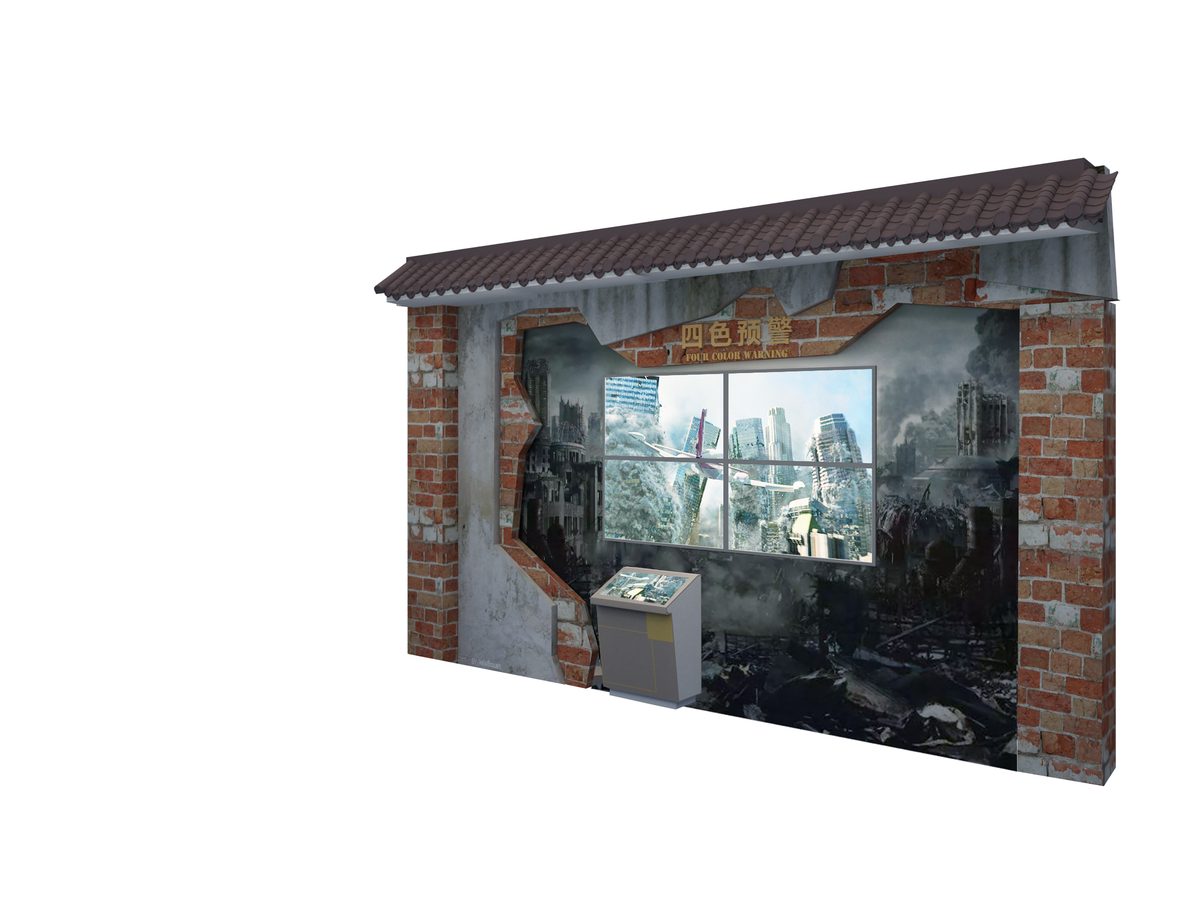
Four alert levels mapped to the response action each one requires.

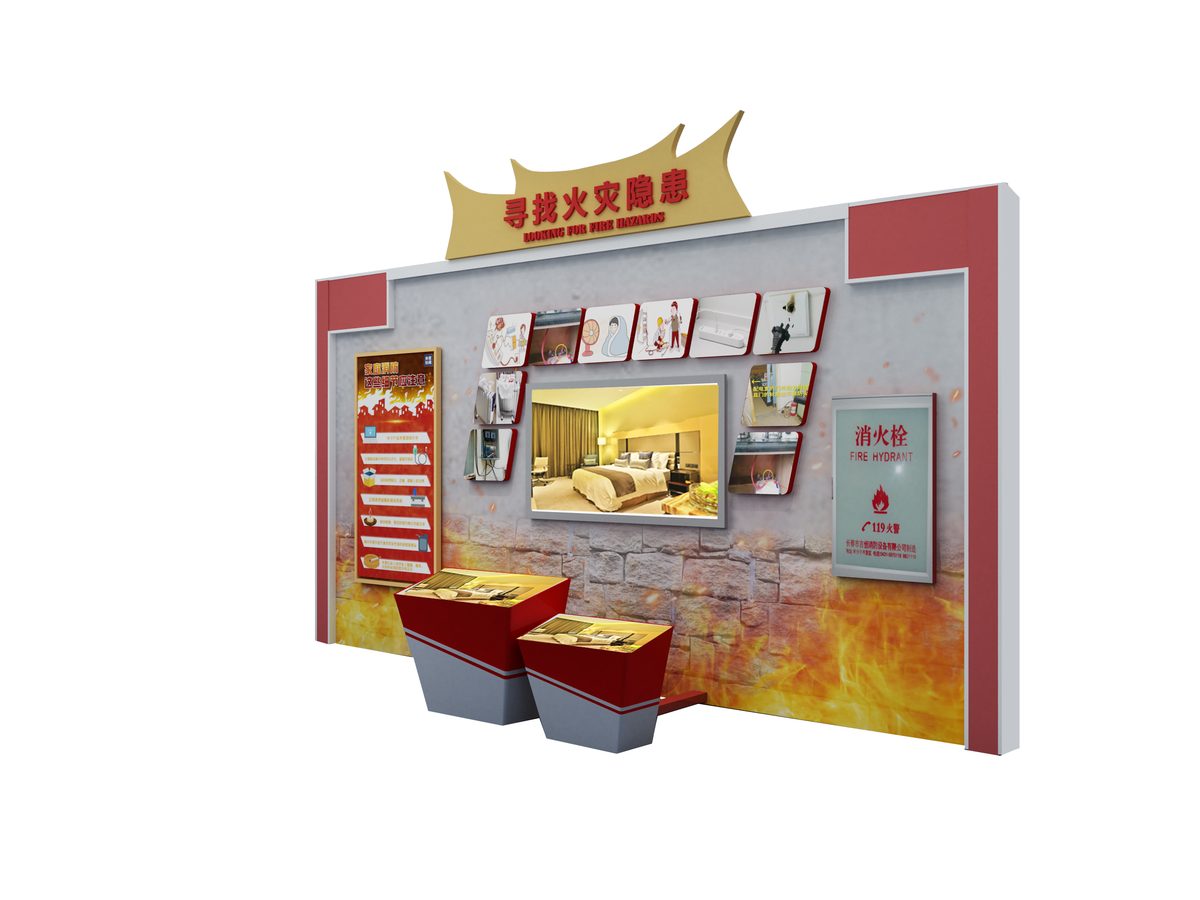
A domestic room with eleven faults to find and fix.

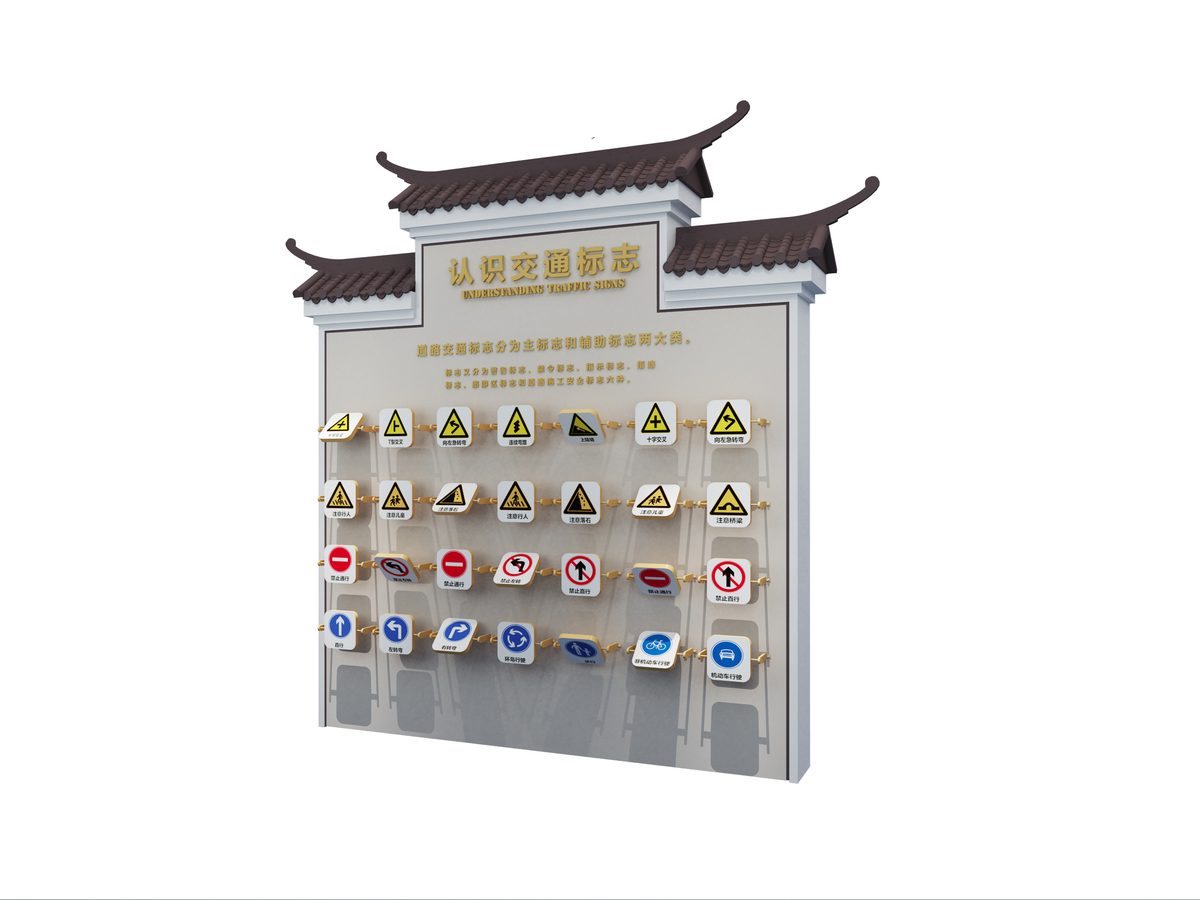
Match forty signs to their meaning against a timer.

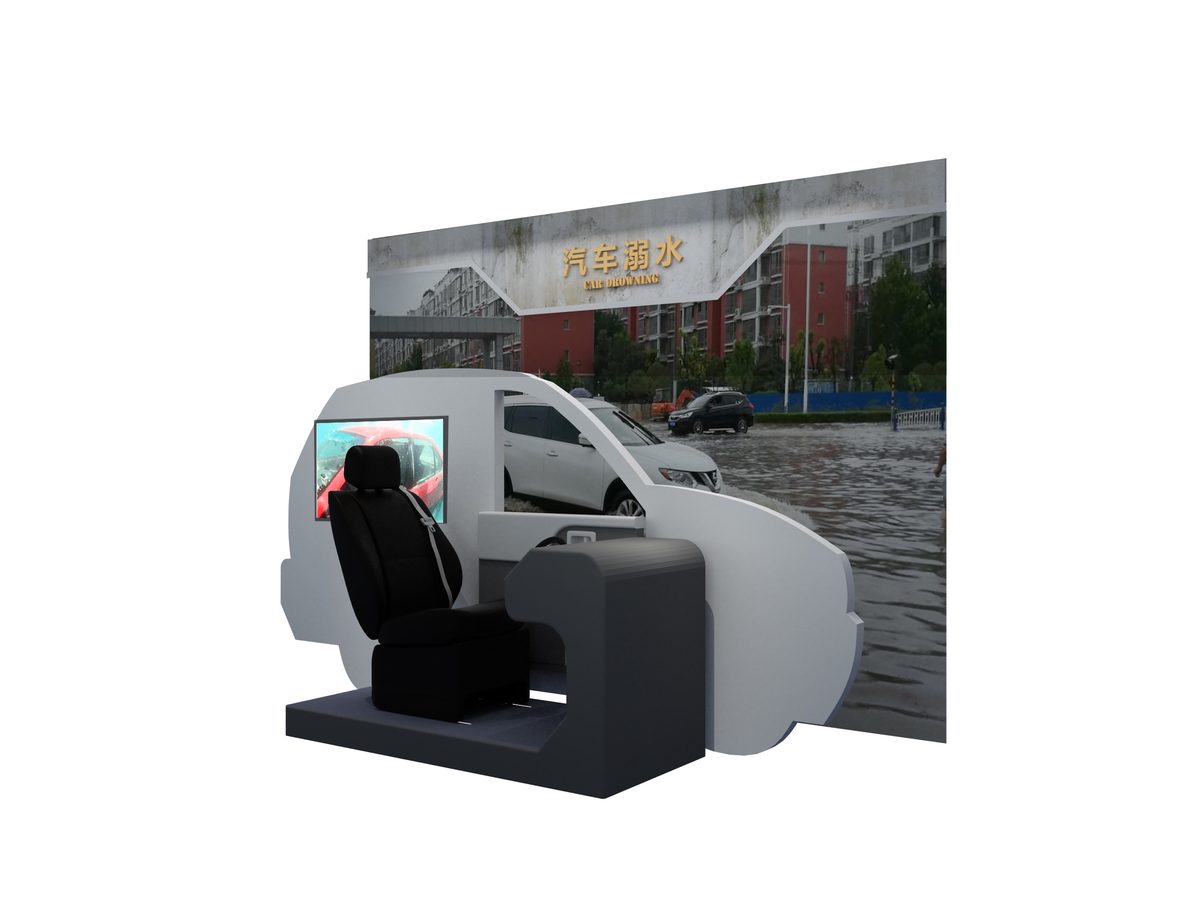
A cabin flooding sequence with the correct exit order.
Attach a theme outline, a floor plan, or nothing at all — a photo of the space is enough to start. Quotations are issued against a real exhibit list, not per-square-metre guesses.
Scan to add us