Industrial civilization has brought about a huge leap forward in human society!
| Category | Signature & Outdoor |
|---|---|
| Standard size | Custom size |
| Supply | Single unit or batch · OEM to your drawing |
| Lead time | Standard 4–8 weeks after deposit (confirmed per contract) |
| Warranty | 1 year, structure and control |
| Documents | Specification sheet · control diagram · spare-part list |
A standard catalogue model: the dimensions, control package and finish are fixed, which is what keeps the price and the lead time predictable. Size, colour and interface language can be adapted without a new design cycle.
Standard models from this range are also listed in our online store, priced in USD — see the price yourself ↗
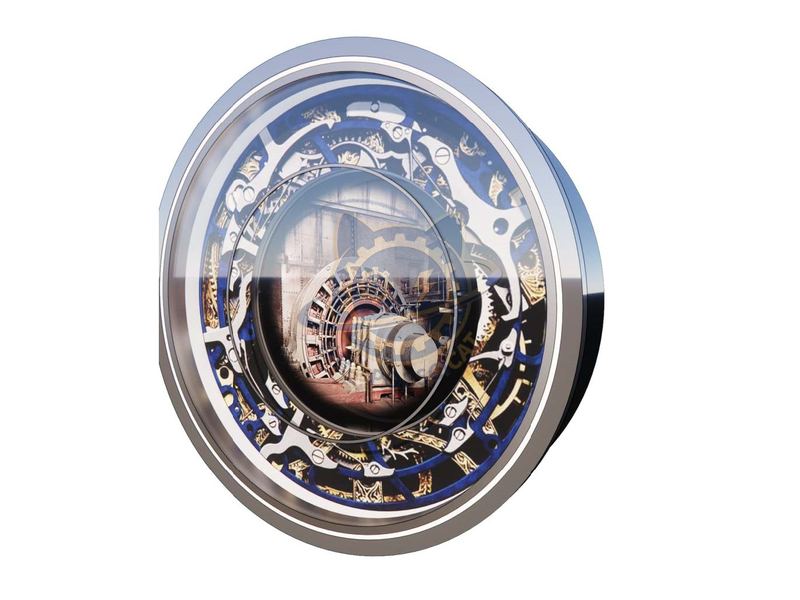
Industrial civilization has brought about a huge leap forward in human society! From steam engines to internal combustion engines, to computers and the Internet, every technological breakthrough has reshaped our world. The first industrial revolution saw the steam engine greatly improve the efficiency of textiles, mining, and transportation; The Second Industrial Revolution created power for automobiles, airplanes, and other vehicles through electricity and internal combustion engines, driving modern production systems; In the information revolution, computers and the Internet have created a new global economy. Science has stepped onto the historical stage in the industrial age, driving humanity to continuously expand cognition, enhance productivity, and ultimately change the world.
The unit is designed for unsupervised public use: controls are recessed or shielded, moving parts are enclosed, and the interface is operable by a child of about six with no instruction. Where a screen is used, the language can be switched without changing the hardware, and the content can be replaced on site.
In the era of industrial civilization, with factories as the core, steam and electricity as the power source, machine production and large-scale manufacturing as the dominant industrial economy, products are diverse and technology advances rapidly. The changes in production tools and the landscape of life in different periods of industrial civilization: the first industrial revolution: the mechanization revolution. Steam engines use artificial force instead of natural force to unleash productivity. Steam power was the first large-scale artificial force that broke through various geographical and weather limitations imposed by natural forces on production. The invention and application of steam engines have been widely used in fields such as textiles, mining, and transportation, bringing about a leap in production efficiency. The textile industry was the first to achieve mechanization, driving the expansion of the industrial revolution. The Second Industrial Revolution: The Electrification Revolution. Internal combustion engines, generators, and electric motors have become the dominant productive forces. The internal combustion engine and electric power technology developed rapidly at the same time. Internal combustion engines have high heat conversion and low weight, making them particularly suitable for mobile scenarios. Gradually replacing steam engines.
Every unit leaves the factory after a running test: mechanisms cycled, electronics burned in, edges dressed, fixings torqued and marked. Wear parts — bearings, sliders, lamps, belts, touch panels — are modular and listed on the spare-part sheet, so a venue technician can replace them without returning the exhibit. Crating is plywood with foam blocking; the loading plan and packing list travel with the shipment.
Other models from the Signature & Outdoor line, all held to the same specification and the same control package.

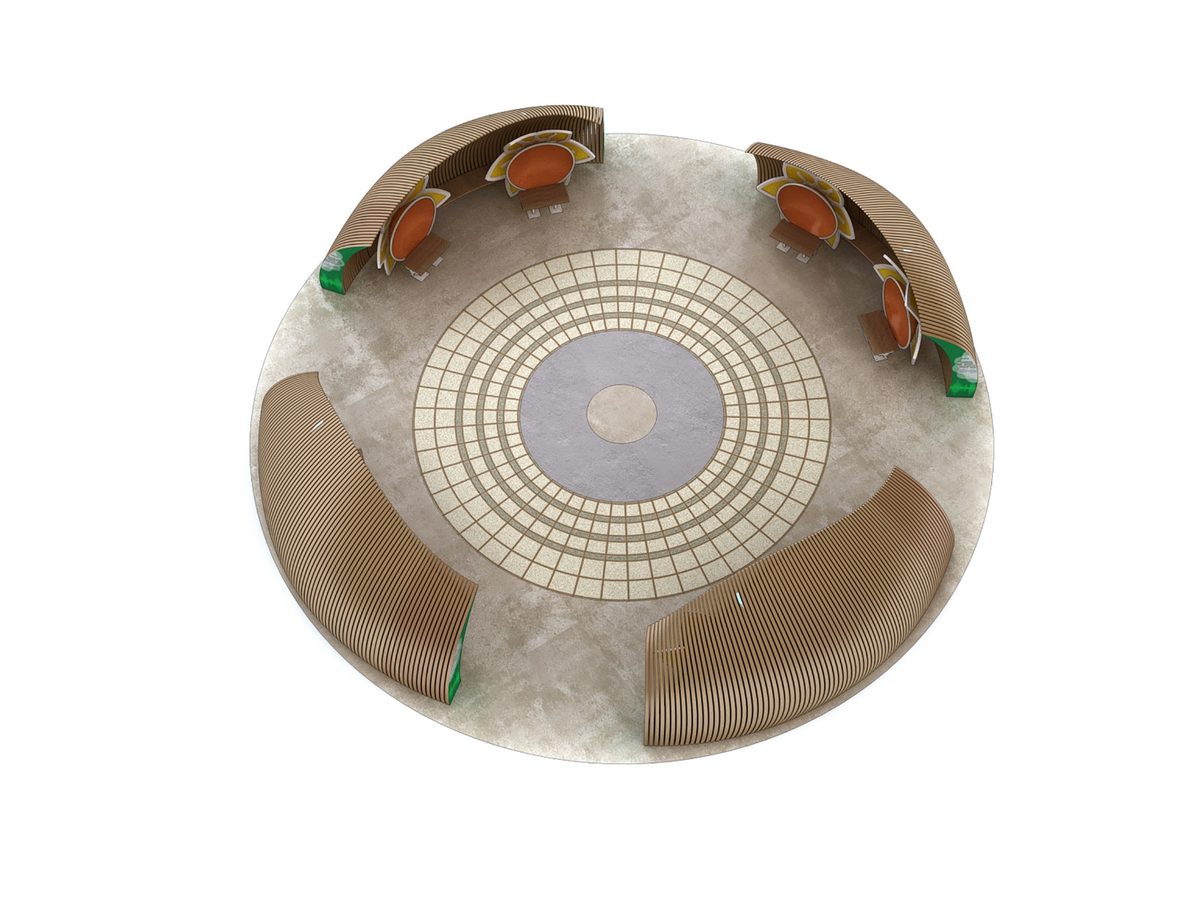
Whisper at one focus and be heard clearly at the other.

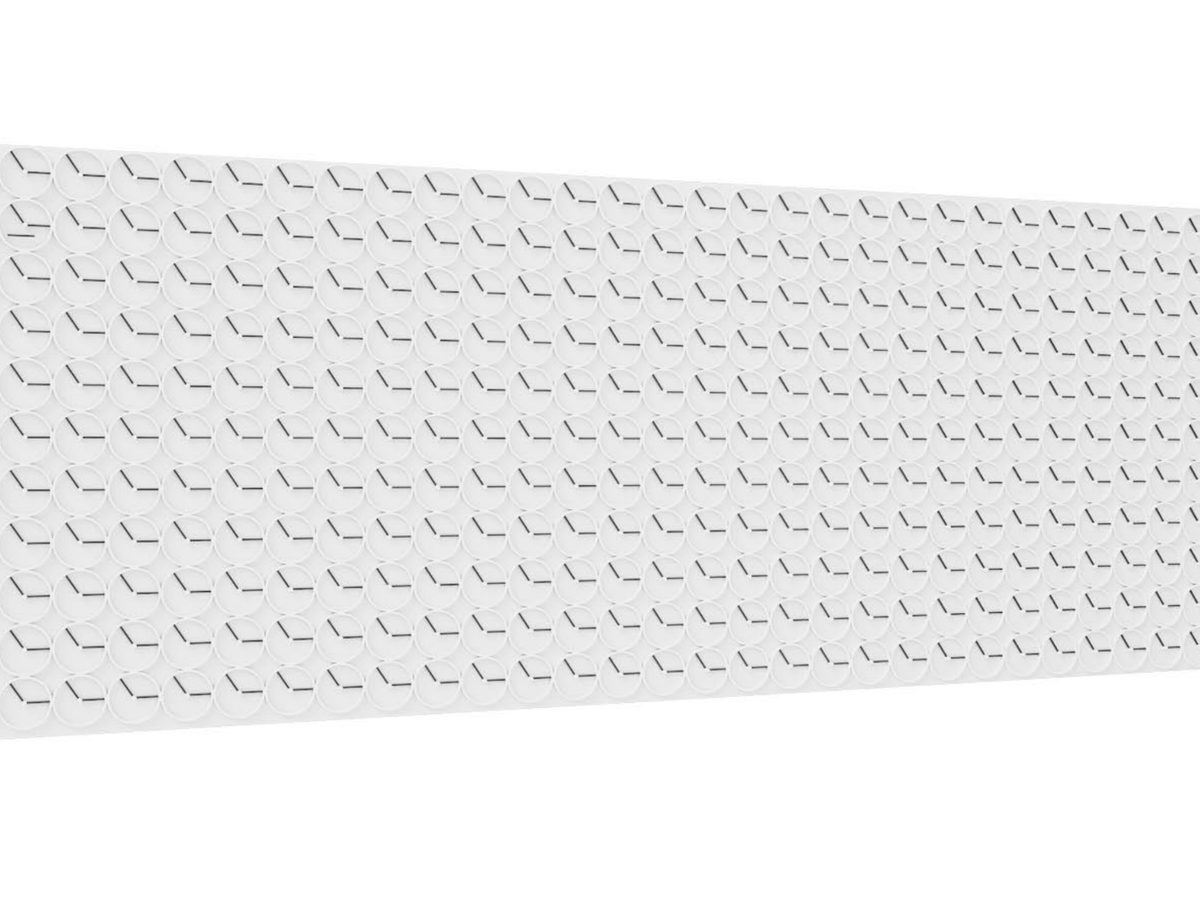
A seven-metre movement wall showing four escapements at full scale.

Reads as scattered rods until seen from one marked point.

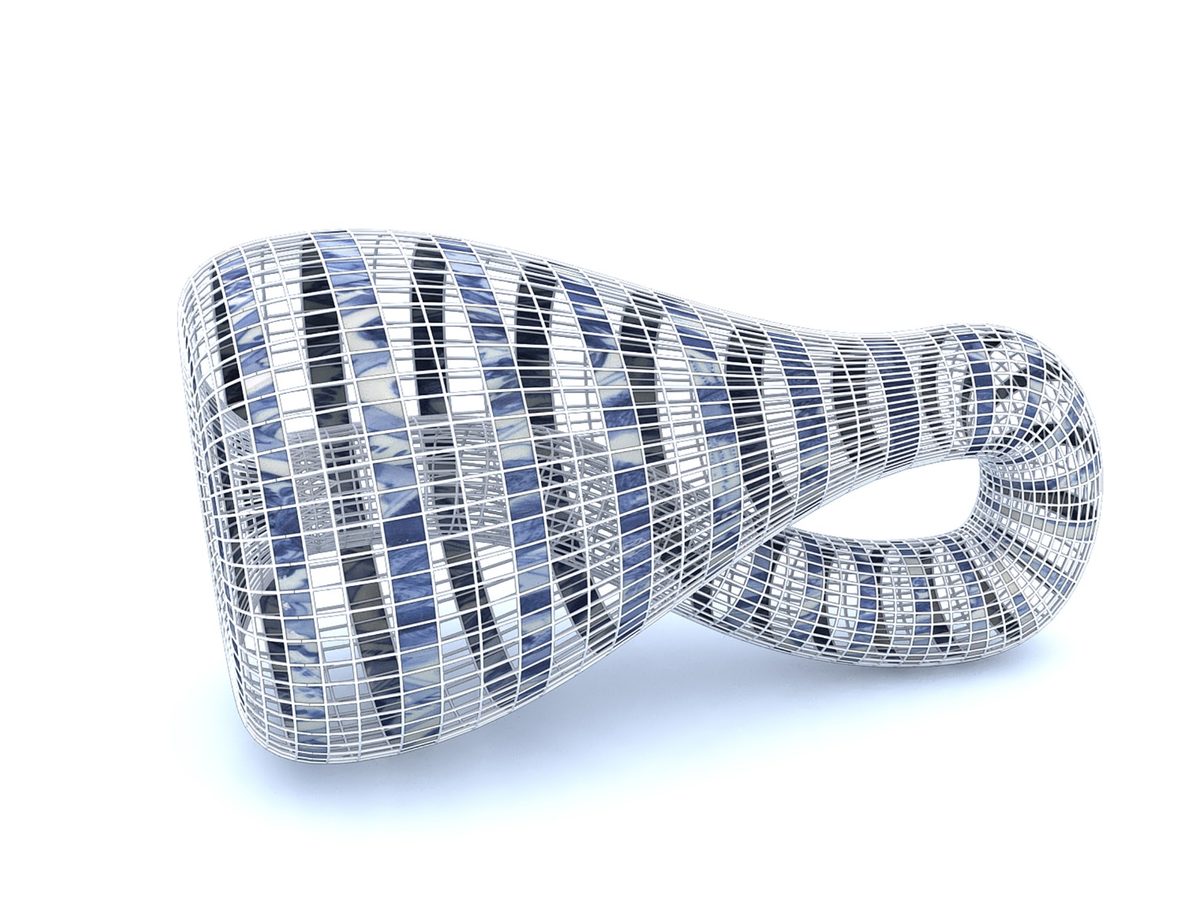
A walk-in sculpture of a surface with only one side.
Attach a theme outline, a floor plan, or nothing at all — a photo of the space is enough to start. Quotations are issued against a real exhibit list, not per-square-metre guesses.
Scan to add us