This exhibit will set up a virtual experimental platform to guide visitors to experience the extraction of exogenous…
| Category | Earth & Ecology |
|---|---|
| Standard size | Custom size |
| Supply | Single unit or batch · OEM to your drawing |
| Lead time | Standard 4–8 weeks after deposit (confirmed per contract) |
| Warranty | 1 year, structure and control |
| Documents | Specification sheet · control diagram · spare-part list |
A standard catalogue model: the dimensions, control package and finish are fixed, which is what keeps the price and the lead time predictable. Size, colour and interface language can be adapted without a new design cycle.
Standard models from this range are also listed in our online store, priced in USD — see the price yourself ↗
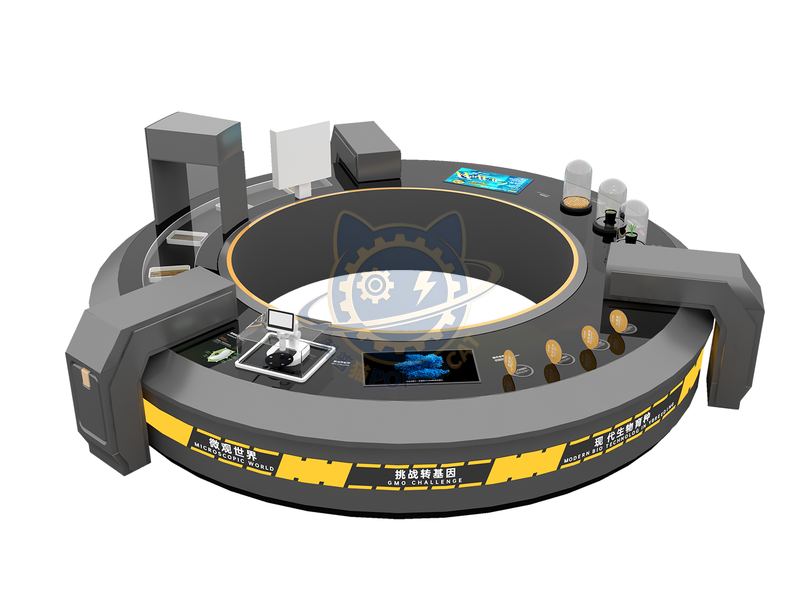
This exhibit will set up a virtual experimental platform to guide visitors to experience the extraction of exogenous genes, plasmid splicing, gene recombination, and other processes through interactive games. It will popularize the principles of transgenic technology and its application value in insect resistance, drought resistance, and improving nutrition. In the game, you will be guided to conduct simple but thought-provoking experiments using scientific methods, operating the entire process of a genetically modified experiment. Follow the on-screen prompts to operate. Crop genetically modified breeding is a modern biotechnology that emerged in the 1980s. Its core principle is to isolate target genes through DNA recombination technology, achieve genetic transformation through methods such as Agrobacterium mediated or gene gun bombardment, and obtain genetically modified plants through tissue culture technology. This technology breaks through species boundaries and can selectively modify multi gene traits, demonstrating significant advantages in improving traits such as disease and insect resistance, herbicide resistance, etc. For example, by introducing virus shell protein genes to cultivate antiviral crops and transferring Bt toxin protein genes to enhance insect resistance.
The unit is designed for unsupervised public use: controls are recessed or shielded, moving parts are enclosed, and the interface is operable by a child of about six with no instruction. Where a screen is used, the language can be switched without changing the hardware, and the content can be replaced on site.
Every unit leaves the factory after a running test: mechanisms cycled, electronics burned in, edges dressed, fixings torqued and marked. Wear parts — bearings, sliders, lamps, belts, touch panels — are modular and listed on the spare-part sheet, so a venue technician can replace them without returning the exhibit. Crating is plywood with foam blocking; the loading plan and packing list travel with the shipment.
Other models from the Earth & Ecology line, all held to the same specification and the same control package.

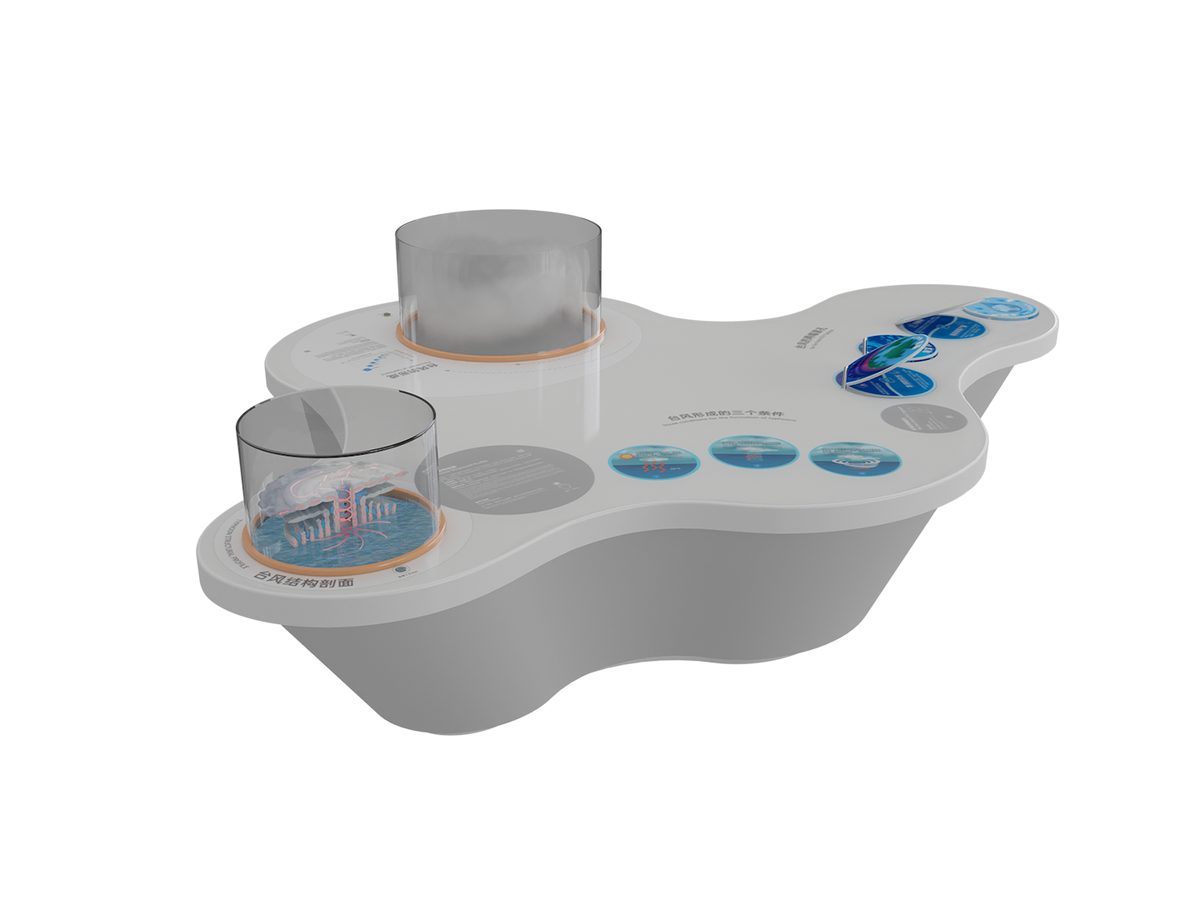
A vertical slice through a storm showing eye, eyewall and spiral bands.

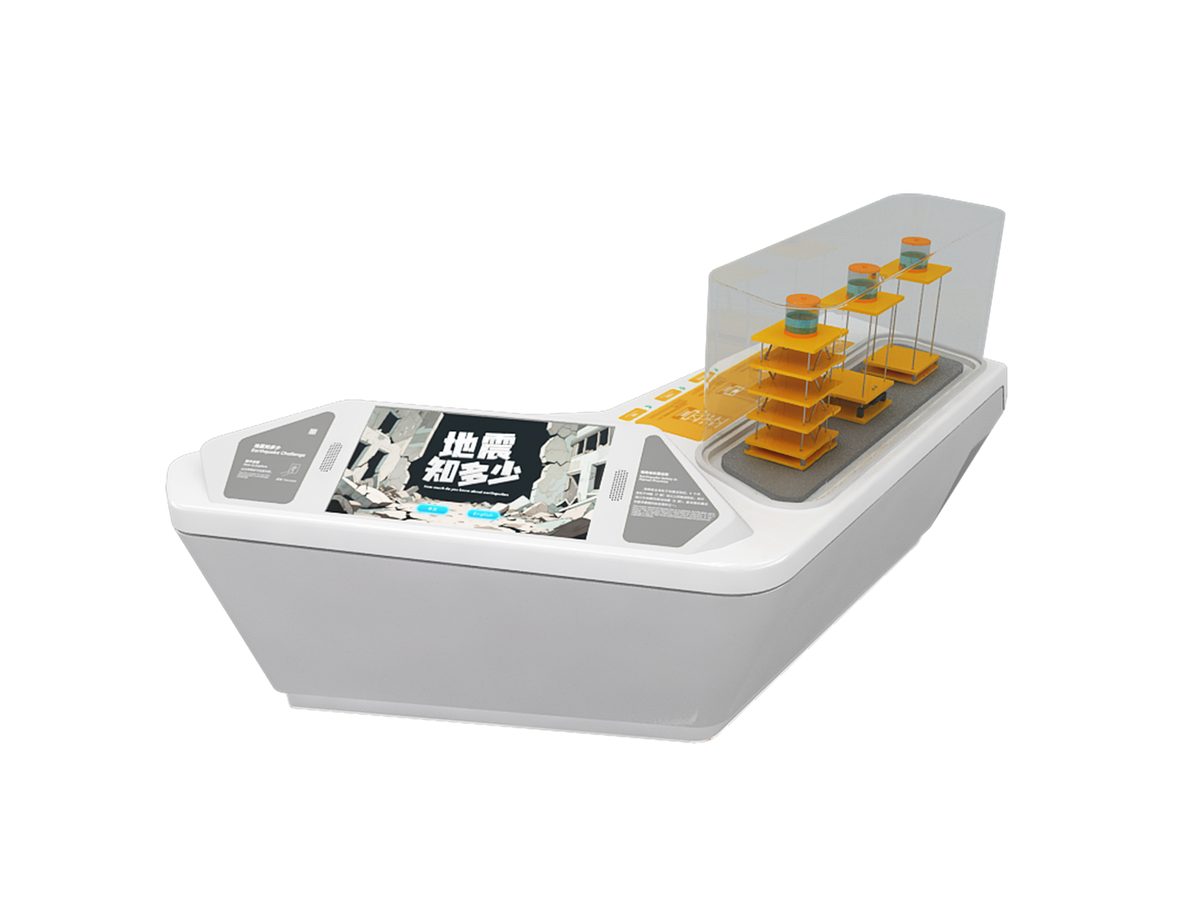
A platform shakes at recorded intensities while a seismograph traces the movement.

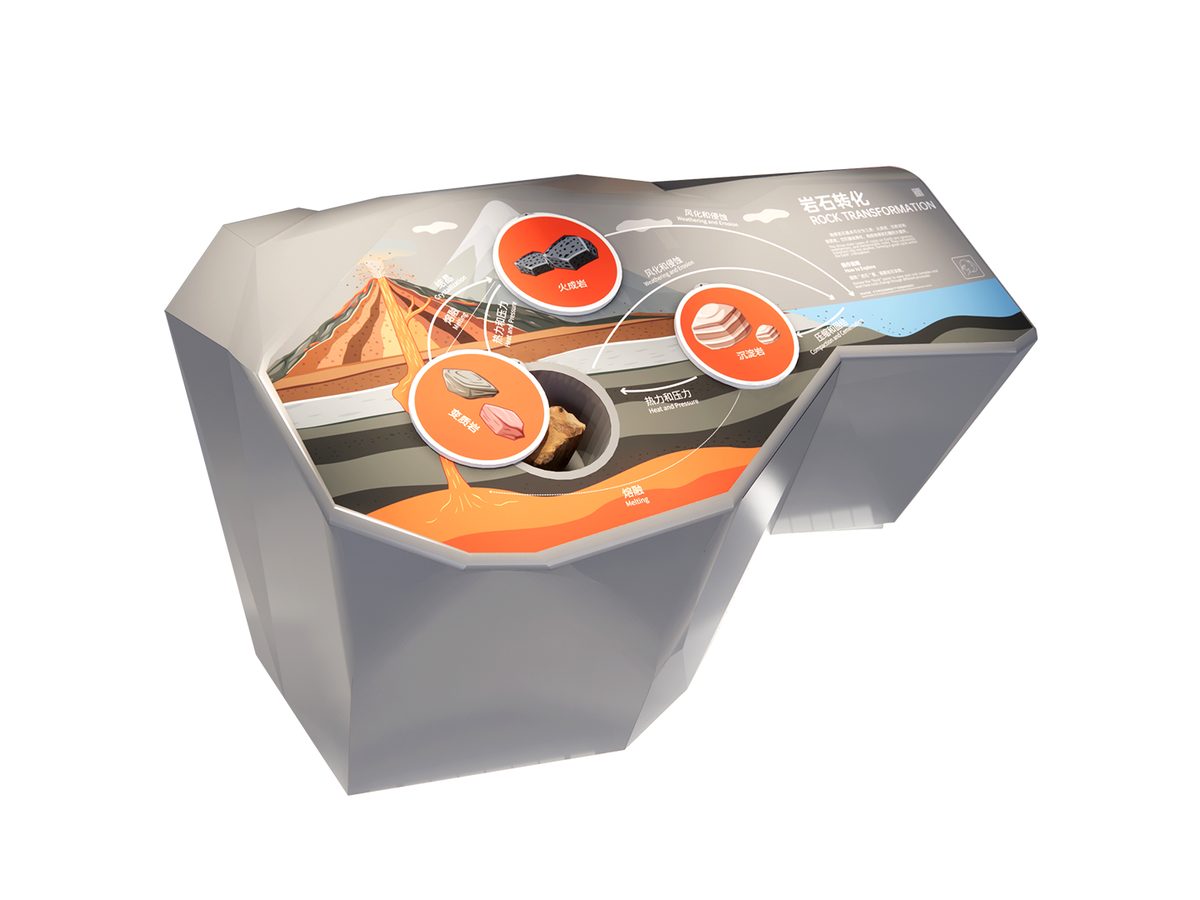
Heat and pressure turn one rock type into another on a turntable.

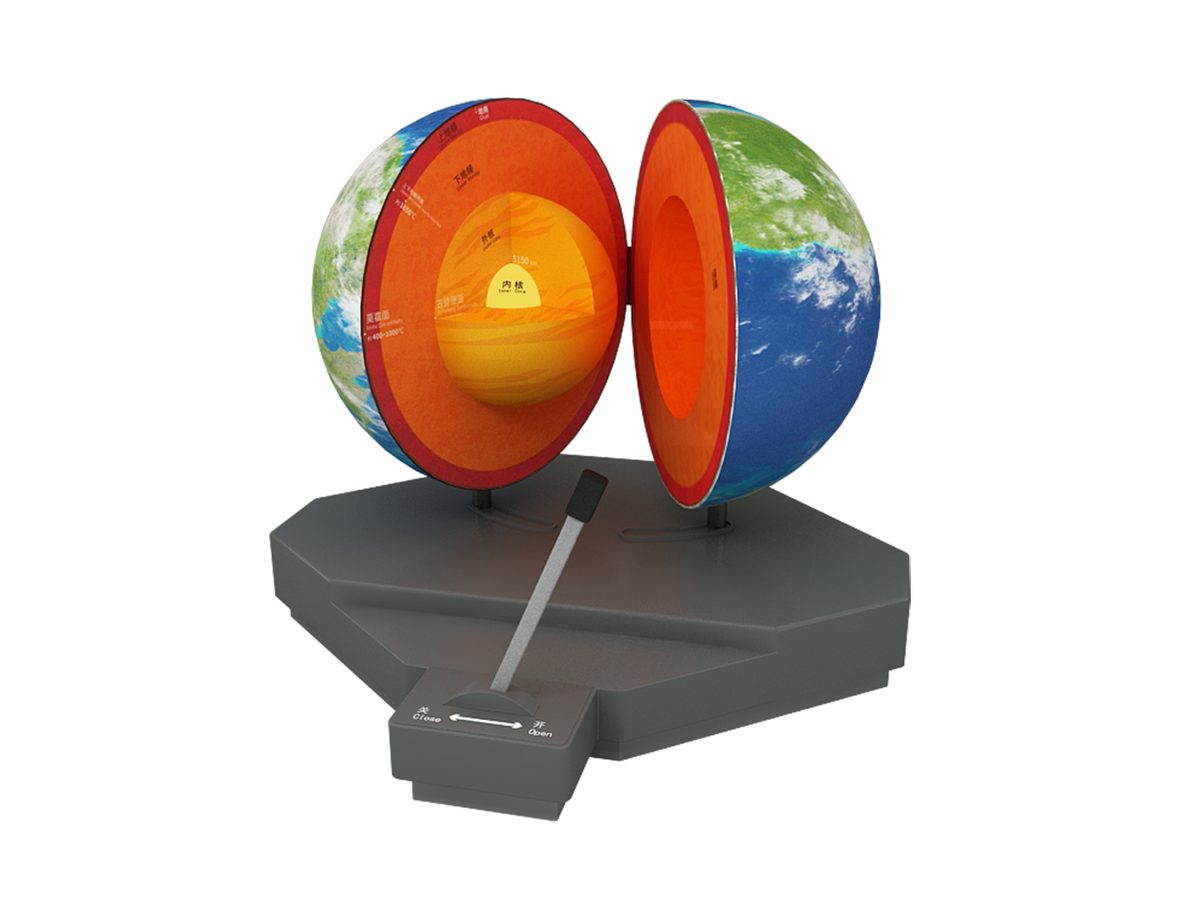
Cut-away globe showing crust, mantle, outer and inner core.
Attach a theme outline, a floor plan, or nothing at all — a photo of the space is enough to start. Quotations are issued against a real exhibit list, not per-square-metre guesses.
Scan to add us