Home/Exhibits/Earth & Ecology/Deep sea mineral development

Deep sea mineral development

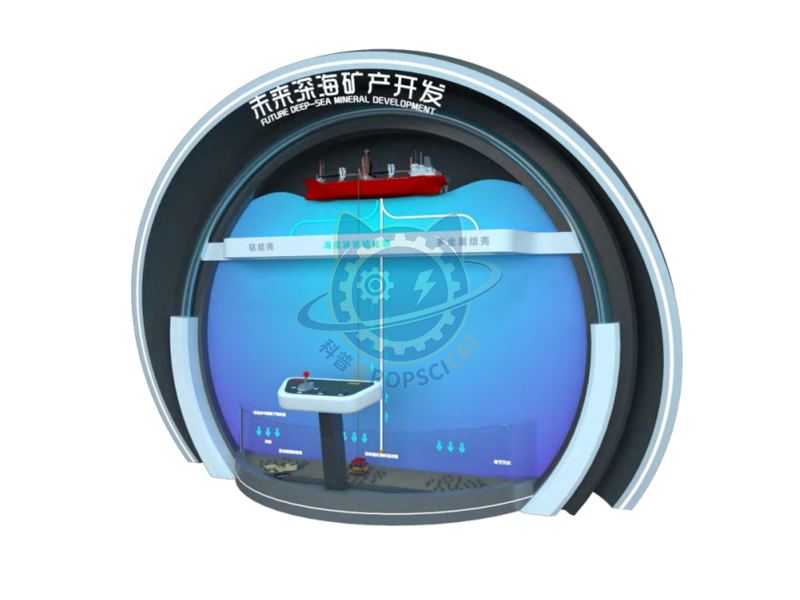
Deep sea mining refers to the act of using giant machines to extract minerals from the seabed at depths of 200 to…

Deep sea mineral development — Earth & Ecology exhibit for science museums
Studio rendering
CategoryEarth & Ecology
Standard sizeCustom size
SupplySingle unit or batch · OEM to your drawing
Lead timeStandard 4–8 weeks after deposit (confirmed per contract)
Warranty1 year, structure and control
DocumentsSpecification sheet · control diagram · spare-part list

A standard catalogue model: the dimensions, control package and finish are fixed, which is what keeps the price and the lead time predictable. Size, colour and interface language can be adapted without a new design cycle.

Ask about this model → Email us

Standard models from this range are also listed in our online store, priced in USD — see the price yourself ↗
01 / Overview

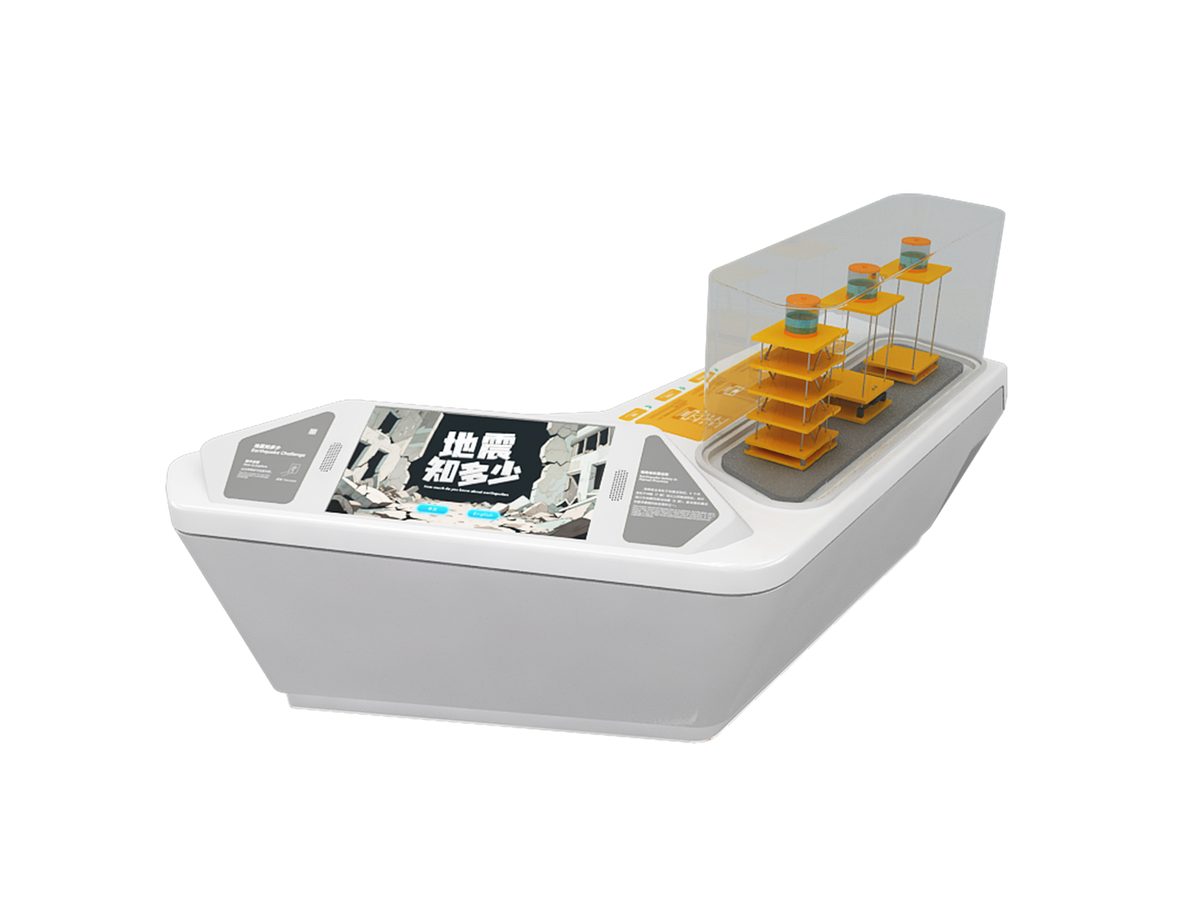
Deep sea mining refers to the act of using giant machines to extract minerals from the seabed at depths of 200 to 6500 meters. These machines perform excavation operations in the deep sea and pump mineral materials onto workboats through kilometers of pipelines, while also re pumping the generated sand, water, and other mineral waste back into the sea.

02 / How visitors use it

The unit is designed for unsupervised public use: controls are recessed or shielded, moving parts are enclosed, and the interface is operable by a child of about six with no instruction. Where a screen is used, the language can be switched without changing the hardware, and the content can be replaced on site.

03 / The science behind it

Deep sea minerals are a collective term for various mineral resources in seabed sediments and rock formations. From the perspective of classification and genesis, deep-sea mineral types are abundant and widely distributed, which can be divided into two categories: surface sedimentary minerals and bedrock minerals. There are significant differences in their formation mechanisms and distribution areas. Surface sedimentary minerals can be further divided according to their distribution in the sea area: various metallic sand minerals and non-metallic materials are mainly distributed in coastal areas; The continental shelf area contains minerals such as turquoise and apatite, as well as building materials; Deep sea areas are centered around iron manganese nodules and polymetallic mud (metal soft mud). The minerals in bedrock mainly include iron, coal, sulfur, etc., which are mainly distributed in the continental shelf area. Their formation is closely related to the extension of terrestrial minerals and seabed geological activities. So far, dozens of mineral resources have been discovered and mined in shallow waters, combined with more than 80 elements such as hydrogen, oxygen, chlorine, and sodium contained in seawater, forming an extremely rich underwater resource system. Among them, iron manganese nodules and gold in deep-sea areas.

04 / Built for a public floor

Every unit leaves the factory after a running test: mechanisms cycled, electronics burned in, edges dressed, fixings torqued and marked. Wear parts — bearings, sliders, lamps, belts, touch panels — are modular and listed on the spare-part sheet, so a venue technician can replace them without returning the exhibit. Crating is plywood with foam blocking; the loading plan and packing list travel with the shipment.

Same category

More in Earth & Ecology

Other models from the Earth & Ecology line, all held to the same specification and the same control package.

Start a project

Send us your exhibit list.
We will come back with a price.

Attach a theme outline, a floor plan, or nothing at all — a photo of the space is enough to start. Quotations are issued against a real exhibit list, not per-square-metre guesses.

WeChat QR code — scan to message us Scan to add us
on WeChat