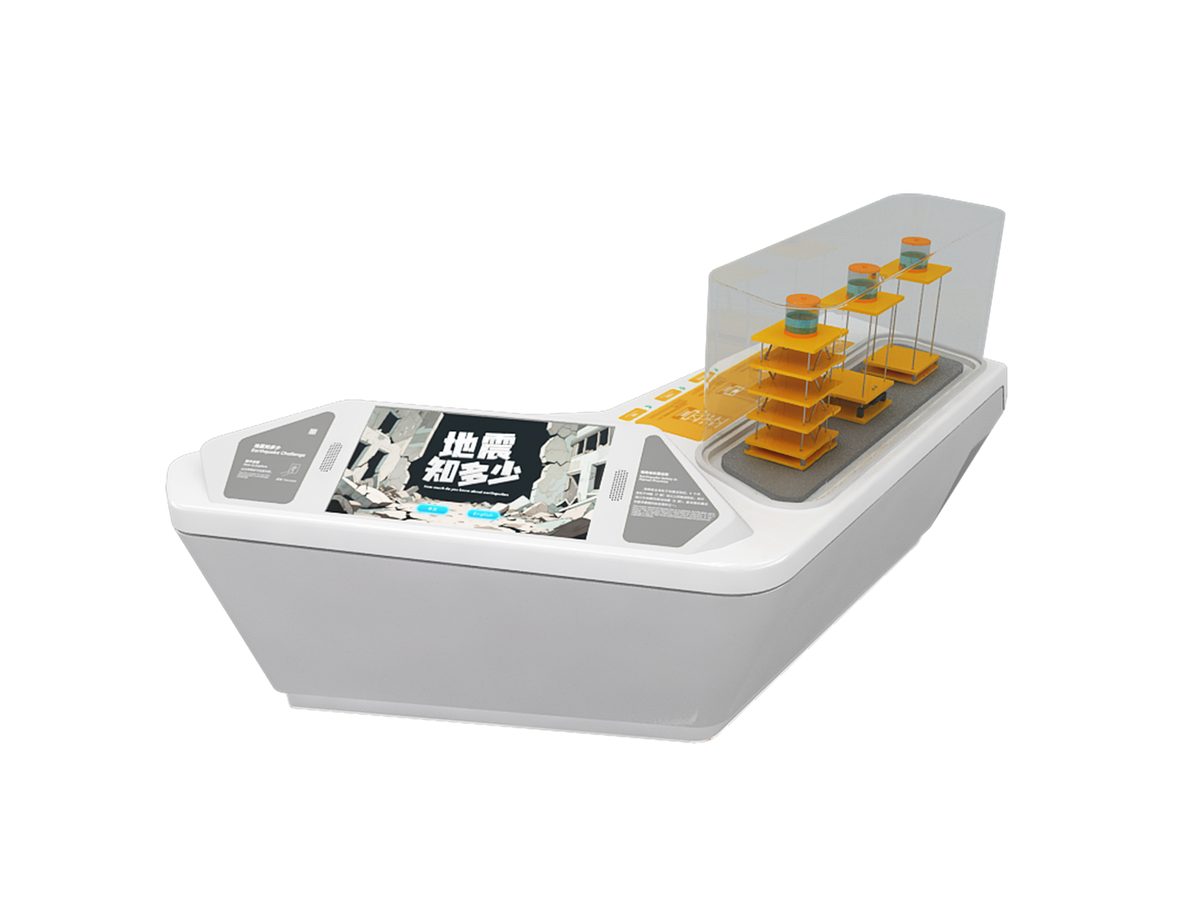
Seismic resistant buildings refer to buildings that must undergo seismic design in areas with a seismic…
| Category | Earth & Ecology |
|---|---|
| Standard size | Custom size |
| Supply | Single unit or batch · OEM to your drawing |
| Lead time | Standard 4–8 weeks after deposit (confirmed per contract) |
| Warranty | 1 year, structure and control |
| Documents | Specification sheet · control diagram · spare-part list |
A standard catalogue model: the dimensions, control package and finish are fixed, which is what keeps the price and the lead time predictable. Size, colour and interface language can be adapted without a new design cycle.
Standard models from this range are also listed in our online store, priced in USD — see the price yourself ↗
Seismic resistant buildings refer to buildings that must undergo seismic design in areas with a seismic fortification intensity of 6 degrees or above. We all know that the structure of a building is closely related to its seismic resistance. In addition to this, what is more important is the seismic design of the building. Common seismic designs include earthquake resistance, earthquake suppression, and earthquake isolation. Press the button to observe the characteristics of different types of seismic resistant buildings. Seismic resistance generally refers to buildings designed according to seismic resistance standards, with the main beam column structure absorbing seismic energy without using other equipment. Shock absorption: Installing seismic walls and dampers between beams and columns to assist in dissipating seismic energy can reduce seismic waves by 20% -30%. Seismic isolation, also known as seismic isolation, is usually installed under the foundation column to prevent earthquakes from reaching the building, and can isolate more than 60% of seismic waves.
The unit is designed for unsupervised public use: controls are recessed or shielded, moving parts are enclosed, and the interface is operable by a child of about six with no instruction. Where a screen is used, the language can be switched without changing the hardware, and the content can be replaced on site.
Every unit leaves the factory after a running test: mechanisms cycled, electronics burned in, edges dressed, fixings torqued and marked. Wear parts — bearings, sliders, lamps, belts, touch panels — are modular and listed on the spare-part sheet, so a venue technician can replace them without returning the exhibit. Crating is plywood with foam blocking; the loading plan and packing list travel with the shipment.
Other models from the Earth & Ecology line, all held to the same specification and the same control package.

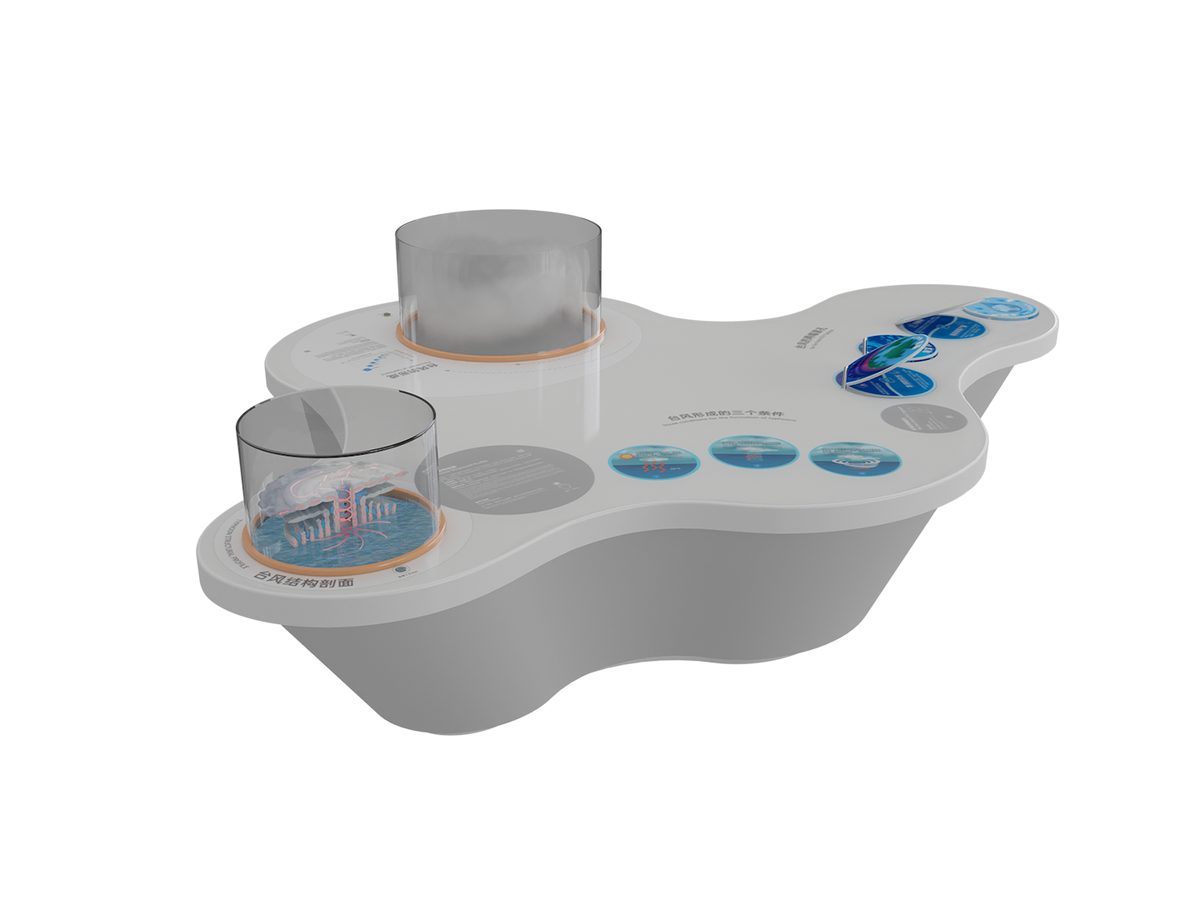
A vertical slice through a storm showing eye, eyewall and spiral bands.

A platform shakes at recorded intensities while a seismograph traces the movement.

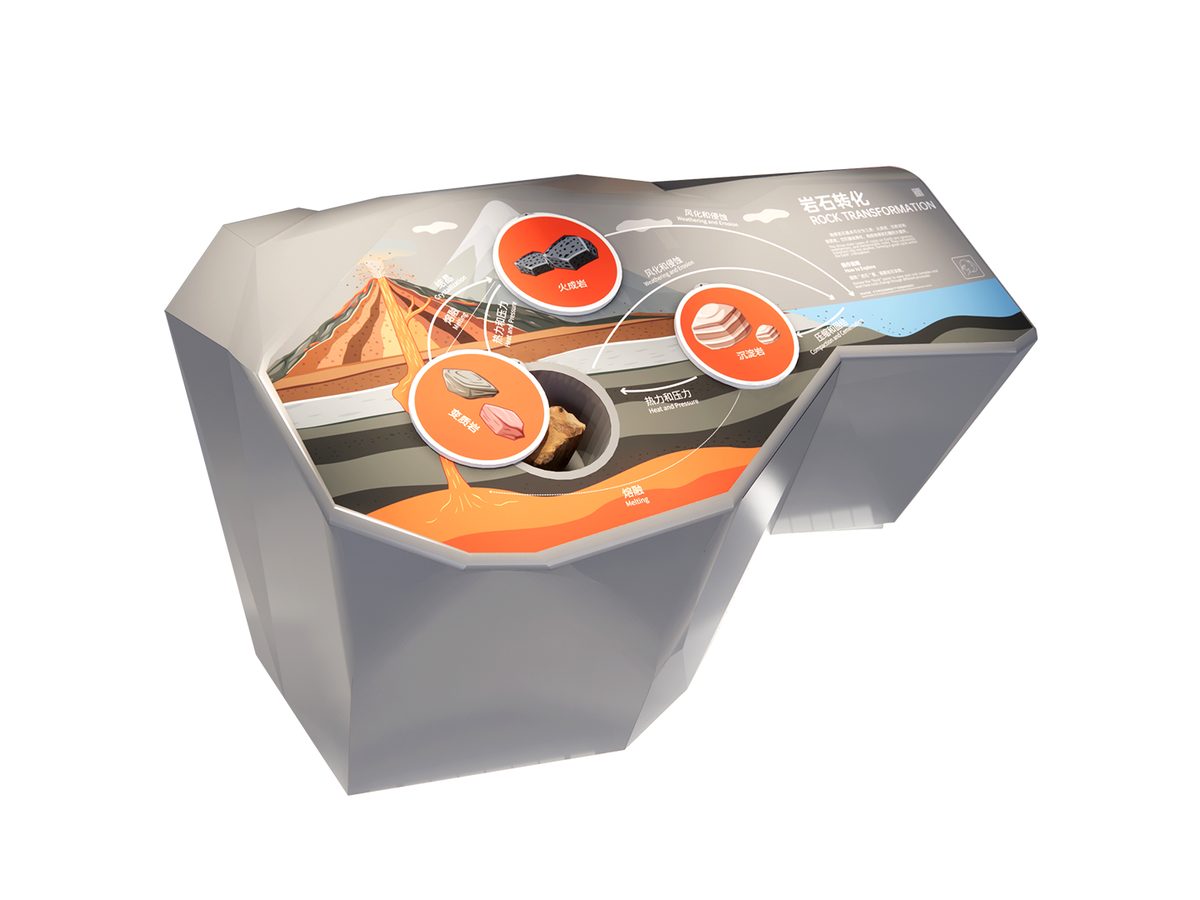
Heat and pressure turn one rock type into another on a turntable.

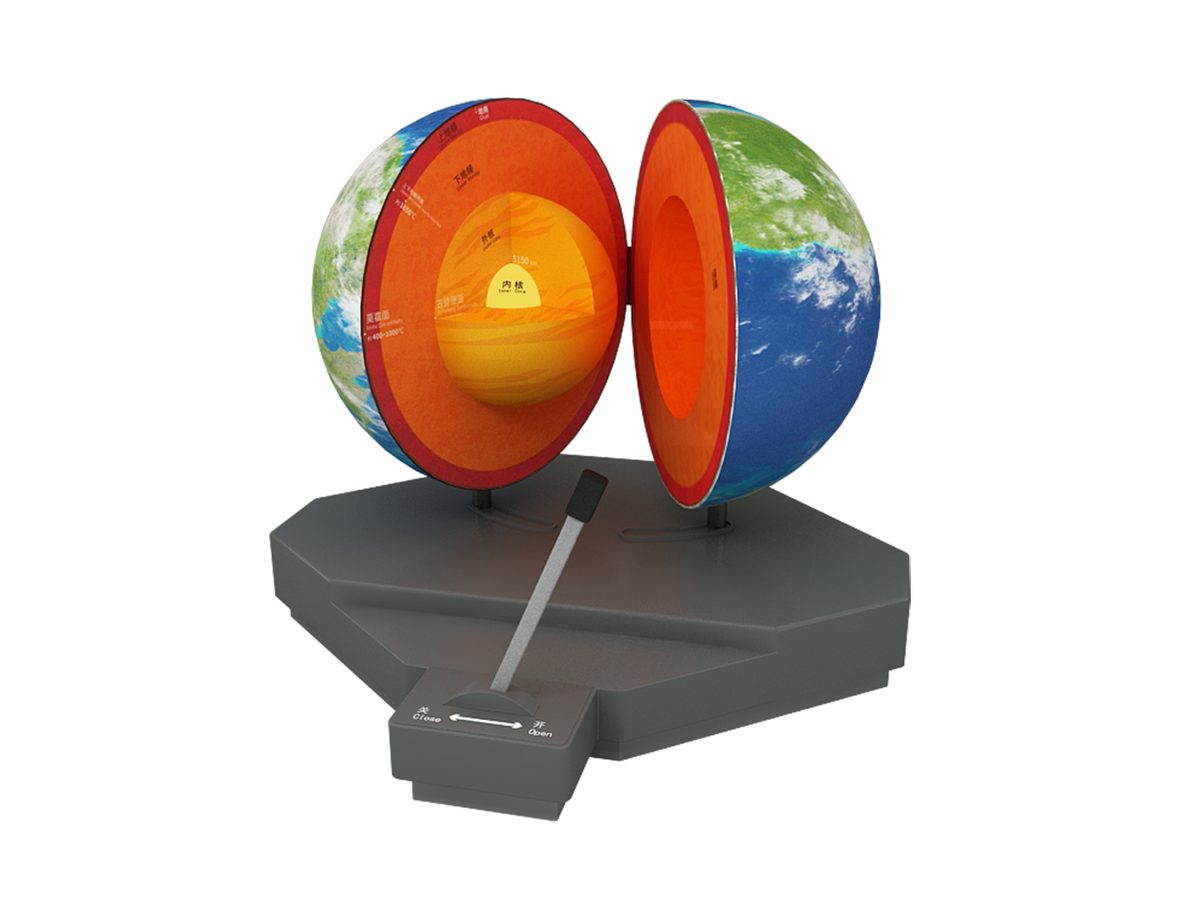
Cut-away globe showing crust, mantle, outer and inner core.
Attach a theme outline, a floor plan, or nothing at all — a photo of the space is enough to start. Quotations are issued against a real exhibit list, not per-square-metre guesses.
Scan to add us