Sonar technology utilizes the propagation characteristics of sound waves in water to navigate and measure distance…
| Category | Earth & Ecology |
|---|---|
| Standard size | Custom size |
| Supply | Single unit or batch · OEM to your drawing |
| Lead time | Standard 4–8 weeks after deposit (confirmed per contract) |
| Warranty | 1 year, structure and control |
| Documents | Specification sheet · control diagram · spare-part list |
A standard catalogue model: the dimensions, control package and finish are fixed, which is what keeps the price and the lead time predictable. Size, colour and interface language can be adapted without a new design cycle.
Standard models from this range are also listed in our online store, priced in USD — see the price yourself ↗
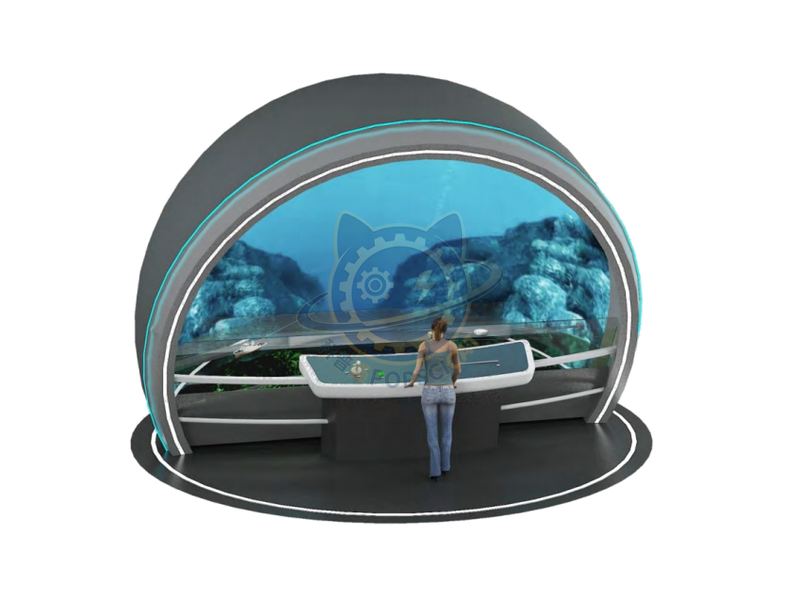
Sonar technology utilizes the propagation characteristics of sound waves in water to navigate and measure distance through electroacoustic conversion and information processing. The propagation speed of sound waves in water is about 1440 meters per second, which is more than four times that of air, and the attenuation in water is smaller than that of light. Taking advantage of this, the sonar system accurately calculates the distance to the target object by emitting ultrasonic waves with frequencies higher than 20 kHz and measuring their echo return time. The higher the frequency of the emitted sound waves, the finer the image, but the detection range will be relatively reduced. The acoustic system of the "Striver" manned deep-sea submersible integrates various sonar devices, such as all terrain terrain detection sonar, multi beam forward-looking sonar, and collision avoidance sonar. These devices enable the "Striver" to "listen" (detect), "speak" (communicate), and "see" (image) in the deep sea, achieving complete localization of technology and breaking through the technical difficulties of deep-sea operations.
The unit is designed for unsupervised public use: controls are recessed or shielded, moving parts are enclosed, and the interface is operable by a child of about six with no instruction. Where a screen is used, the language can be switched without changing the hardware, and the content can be replaced on site.
Sonar, as a core technology in the field of underwater acoustics, is essentially a technical system that utilizes the propagation and reflection characteristics of sound waves in water to achieve underwater navigation, ranging, and target detection. The core logic revolves around the "underwater propagation law of sound waves". 1、 Core foundation of sonar technology: underwater propagation advantage of sound waves. Sound waves are the core carrier for sonar detection, and compared with other detection methods (light, electromagnetic waves), they have irreplaceable propagation advantages underwater: in underwater environments, the penetration ability of light is extremely strong and limited, and electromagnetic waves attenuate rapidly during propagation, making it difficult to achieve long-distance detection; The propagation attenuation amplitude of sound waves in water is small, which enables long-distance transmission. Low frequency sound waves can also penetrate the seabed strata and obtain relevant information inside the strata. This is also the key reason why sound waves have become the core means of underwater detection. The core working logic of sonar can be summarized as "transmission reflection reception solution".
Every unit leaves the factory after a running test: mechanisms cycled, electronics burned in, edges dressed, fixings torqued and marked. Wear parts — bearings, sliders, lamps, belts, touch panels — are modular and listed on the spare-part sheet, so a venue technician can replace them without returning the exhibit. Crating is plywood with foam blocking; the loading plan and packing list travel with the shipment.
Other models from the Earth & Ecology line, all held to the same specification and the same control package.

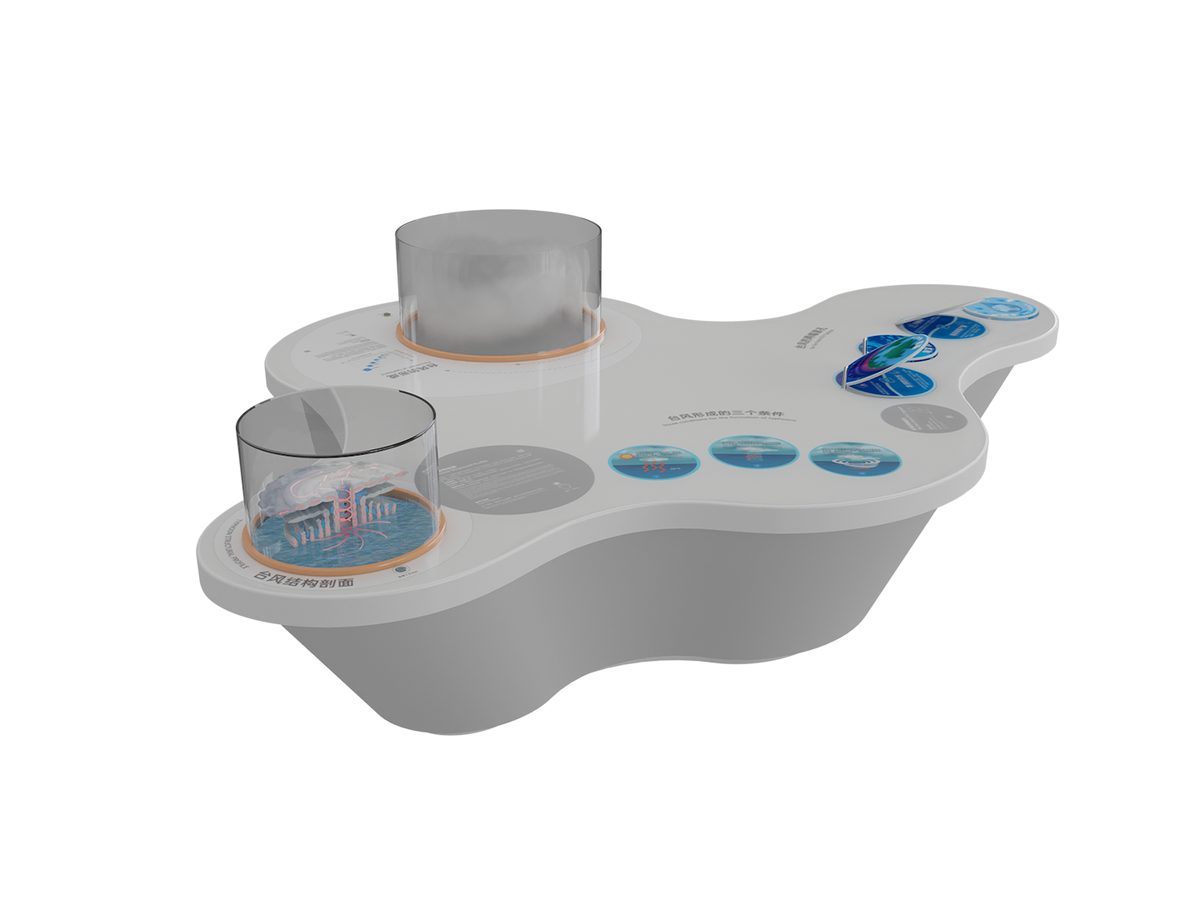
A vertical slice through a storm showing eye, eyewall and spiral bands.

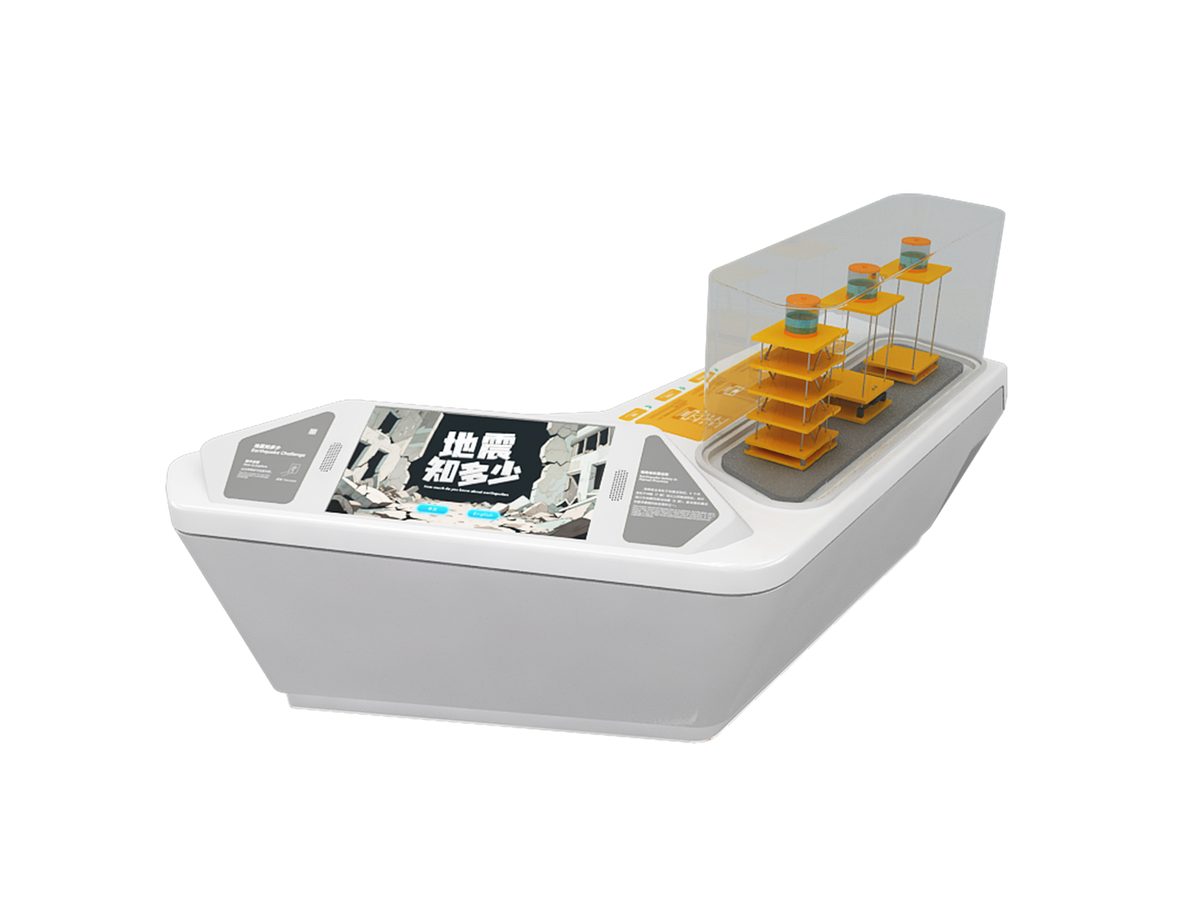
A platform shakes at recorded intensities while a seismograph traces the movement.

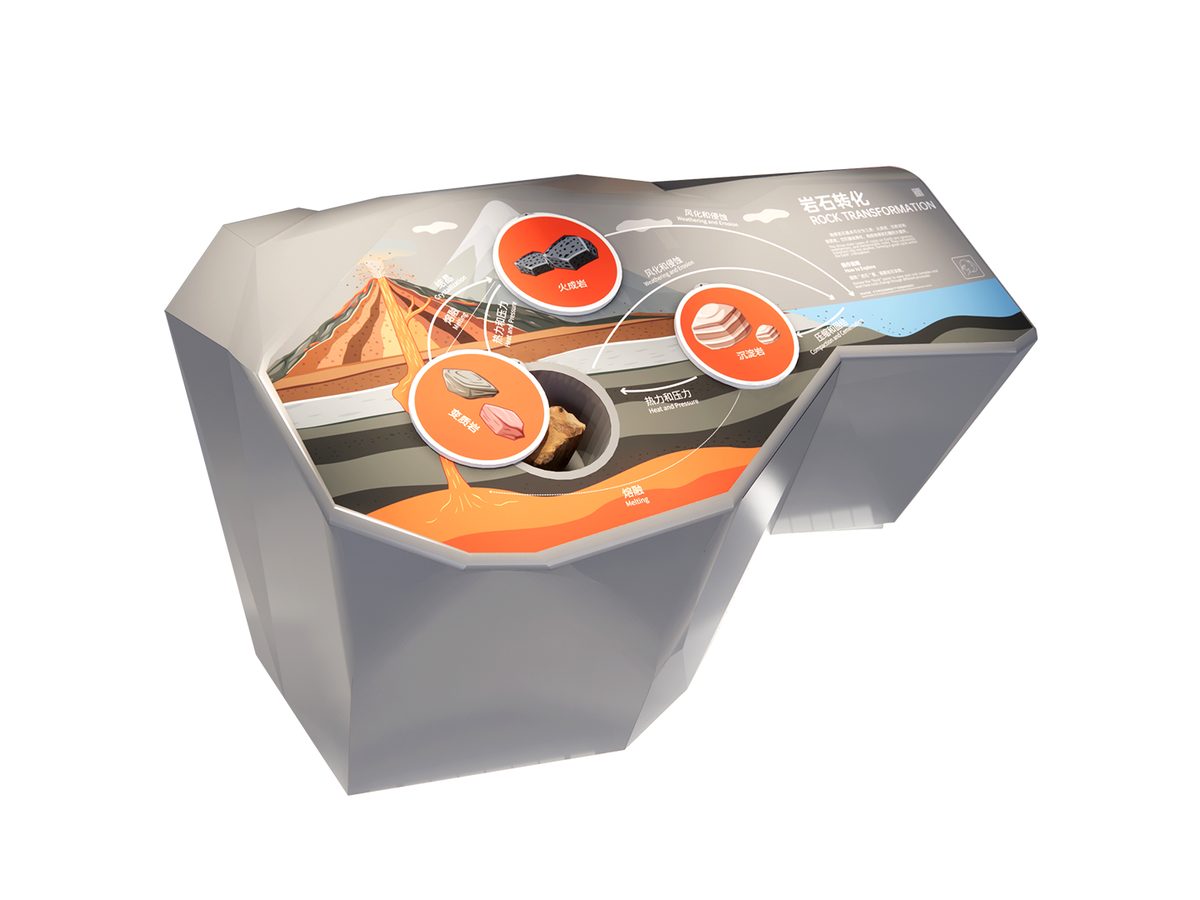
Heat and pressure turn one rock type into another on a turntable.

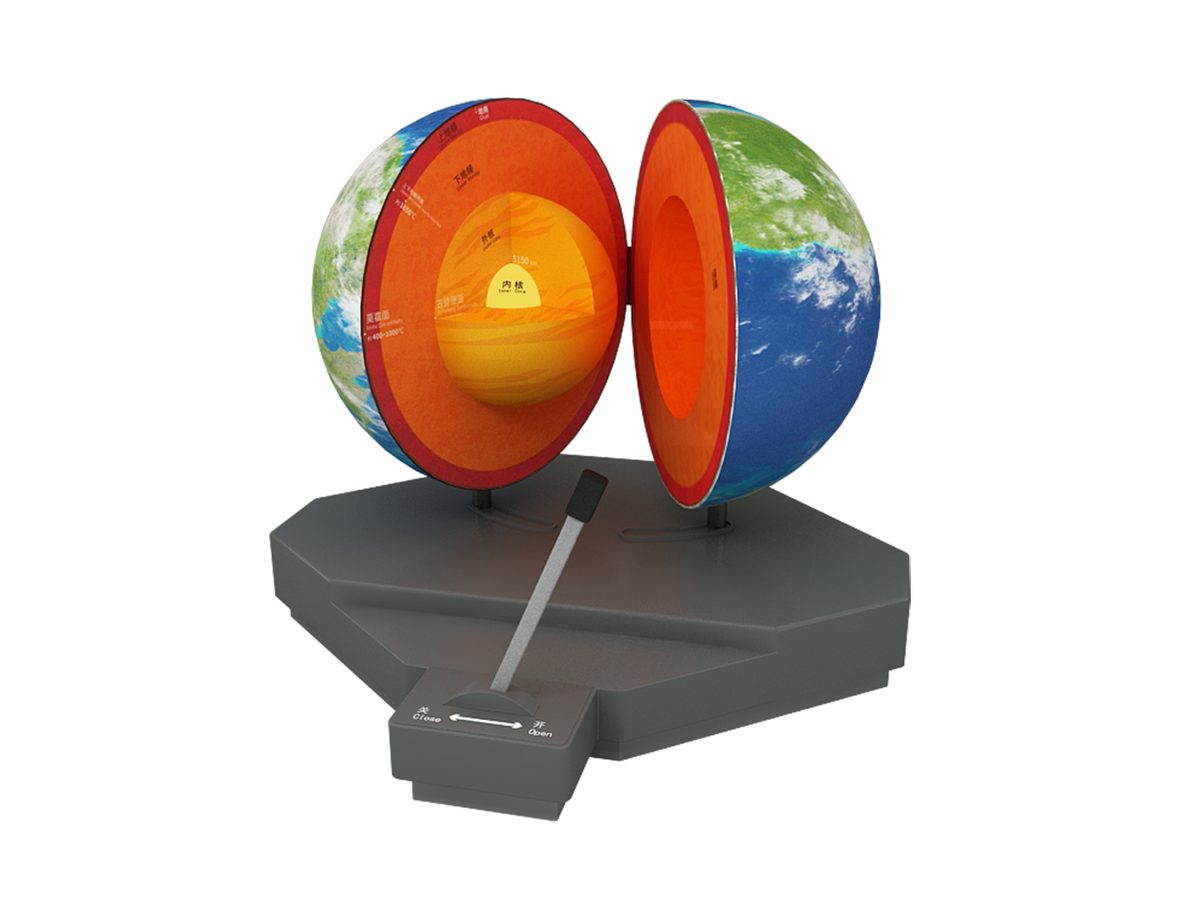
Cut-away globe showing crust, mantle, outer and inner core.
Attach a theme outline, a floor plan, or nothing at all — a photo of the space is enough to start. Quotations are issued against a real exhibit list, not per-square-metre guesses.
Scan to add us