Mount Everest, the summit of the Earth, is located on the border between China and Nepal, with an elevation of…
| Category | Earth & Ecology |
|---|---|
| Standard size | Custom size |
| Supply | Single unit or batch · OEM to your drawing |
| Lead time | Standard 4–8 weeks after deposit (confirmed per contract) |
| Warranty | 1 year, structure and control |
| Documents | Specification sheet · control diagram · spare-part list |
A standard catalogue model: the dimensions, control package and finish are fixed, which is what keeps the price and the lead time predictable. Size, colour and interface language can be adapted without a new design cycle.
Standard models from this range are also listed in our online store, priced in USD — see the price yourself ↗
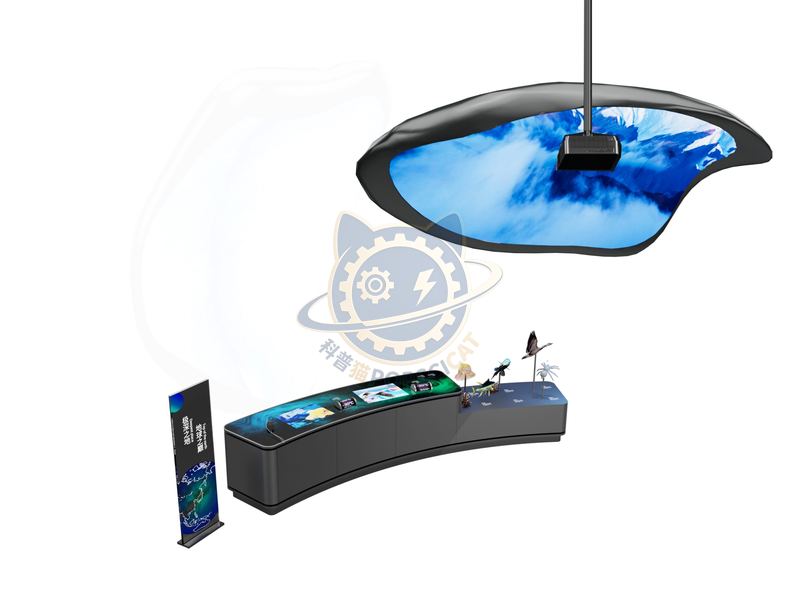
Mount Everest, the summit of the Earth, is located on the border between China and Nepal, with an elevation of 8848.86 meters. As the world's highest peak, Mount Everest not only holds significant geographical importance, but also occupies an important position in mountaineering and scientific research. Every year, it attracts countless hiking enthusiasts to come and challenge, while also providing scientists with abundant research resources.
The unit is designed for unsupervised public use: controls are recessed or shielded, moving parts are enclosed, and the interface is operable by a child of about six with no instruction. Where a screen is used, the language can be switched without changing the hardware, and the content can be replaced on site.
1. Mount Qomolangma, with a rock surface elevation of 8844.43m and a snow surface elevation of 8848.86m, is the main peak in the Himalayas, which is extremely steep in the shape of a giant pyramid. two The Himalayan jumping spider, located 6700 meters away from Mount Everest, is a barren land. It lives in this forbidden zone of life, with a small body size of only 4 millimeters, but possessing powerful superpowers. Its 8 eyes give the little hero a 360 degree perspective, and it also has the ability to jump between rocks. three The the Himalayas are caused by the collision between the Indian Ocean Plate, the Pacific Plate and the Eurasian Plate. The main driving force comes from the Indian Ocean Plate. The Indian Ocean Plate is still moving northward at a speed of over 30 to 45 millimeters per year, squeezing the Eurasian Plate. Therefore, the Himalayas will also move with this plate, and will continue to rise slowly every year.
Every unit leaves the factory after a running test: mechanisms cycled, electronics burned in, edges dressed, fixings torqued and marked. Wear parts — bearings, sliders, lamps, belts, touch panels — are modular and listed on the spare-part sheet, so a venue technician can replace them without returning the exhibit. Crating is plywood with foam blocking; the loading plan and packing list travel with the shipment.
Other models from the Earth & Ecology line, all held to the same specification and the same control package.

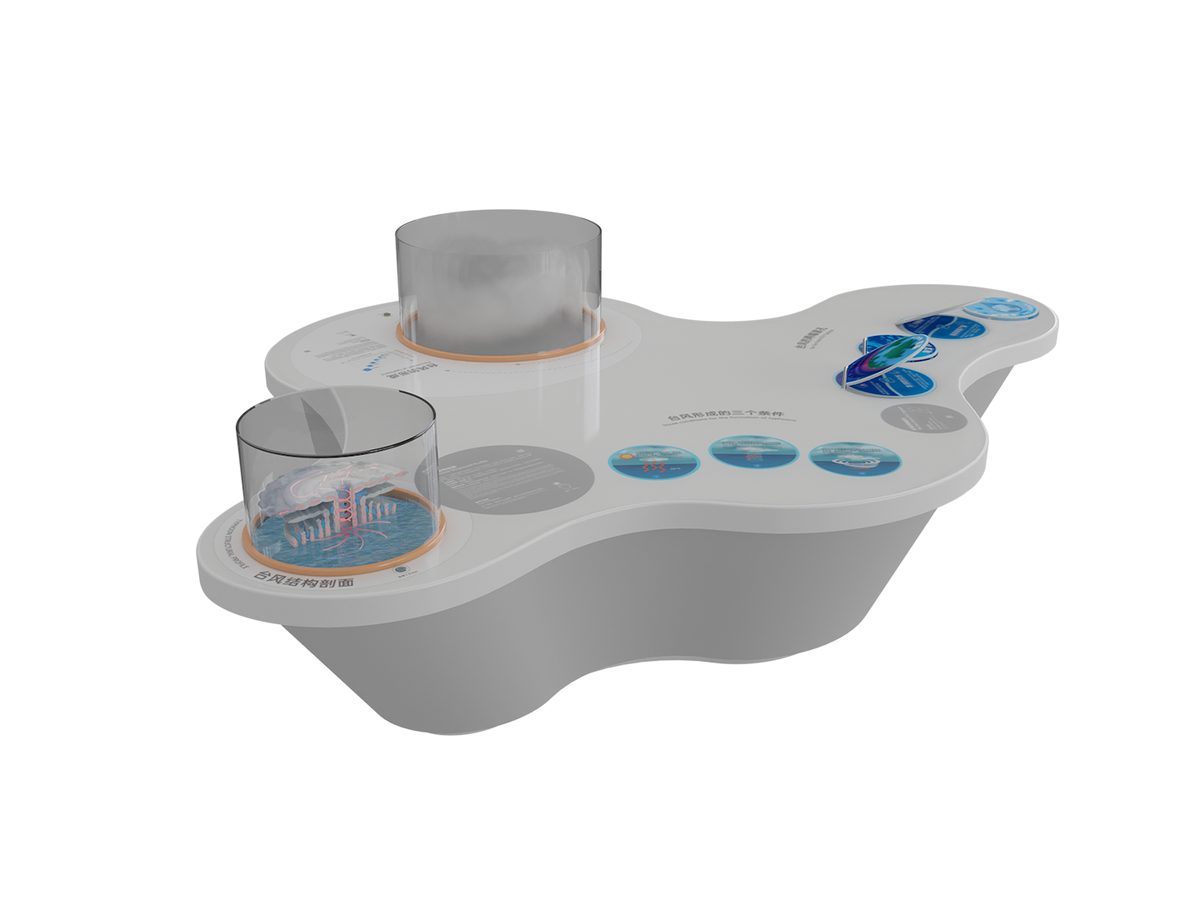
A vertical slice through a storm showing eye, eyewall and spiral bands.

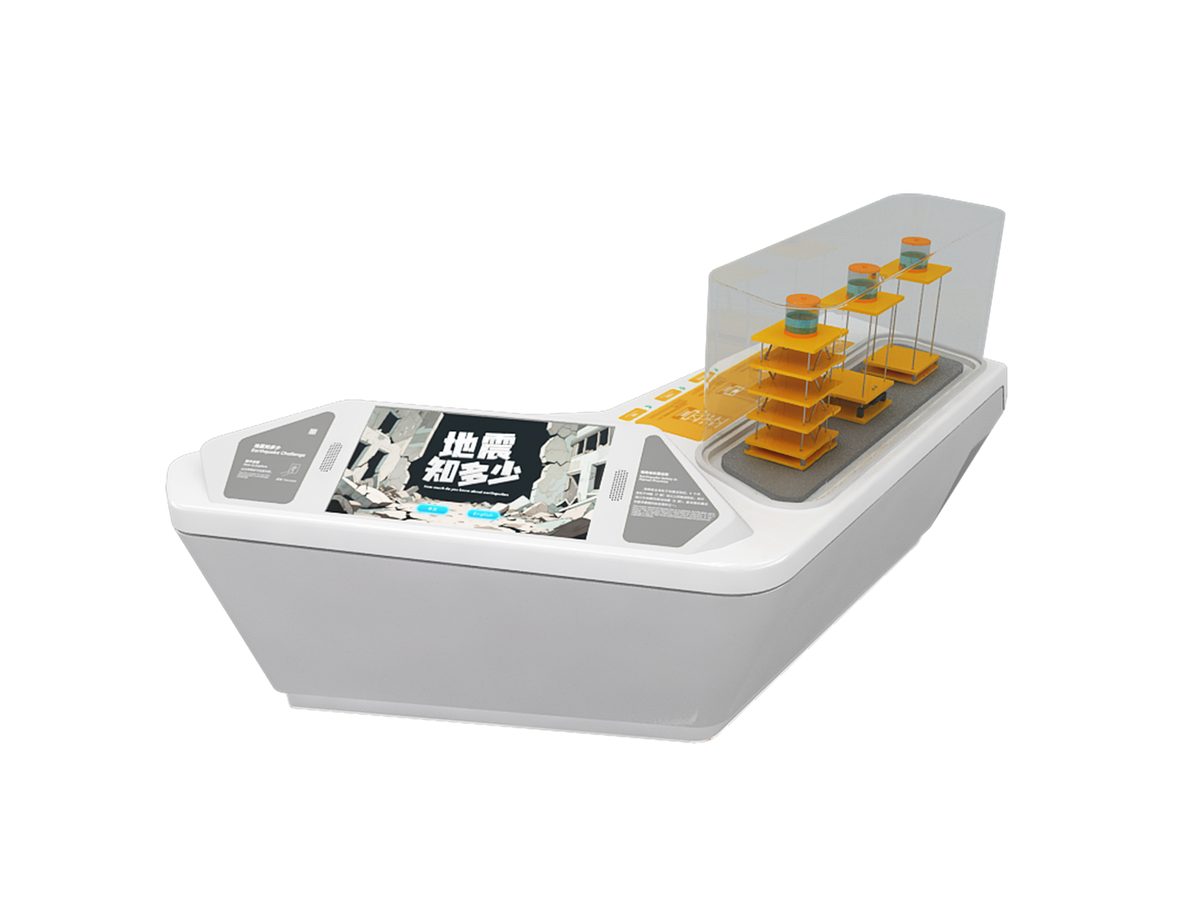
A platform shakes at recorded intensities while a seismograph traces the movement.

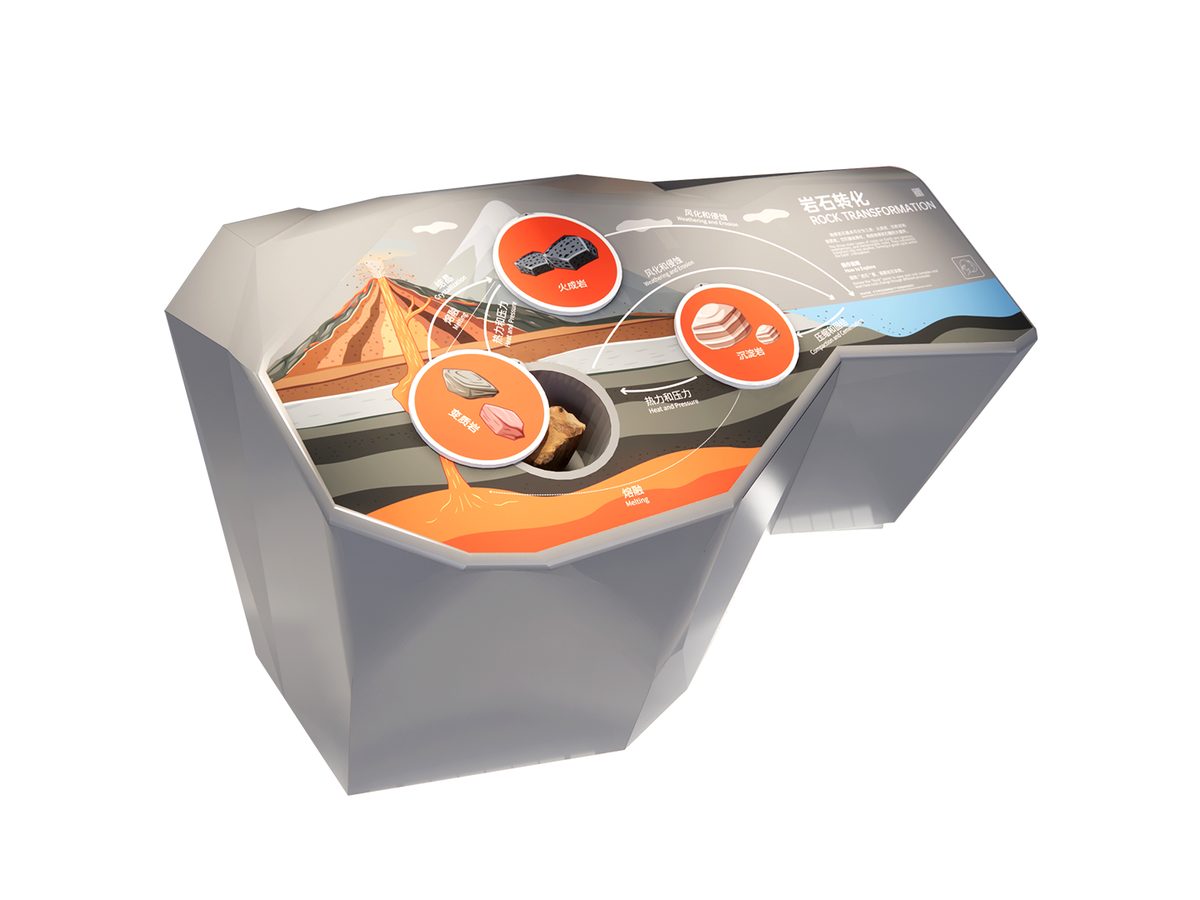
Heat and pressure turn one rock type into another on a turntable.

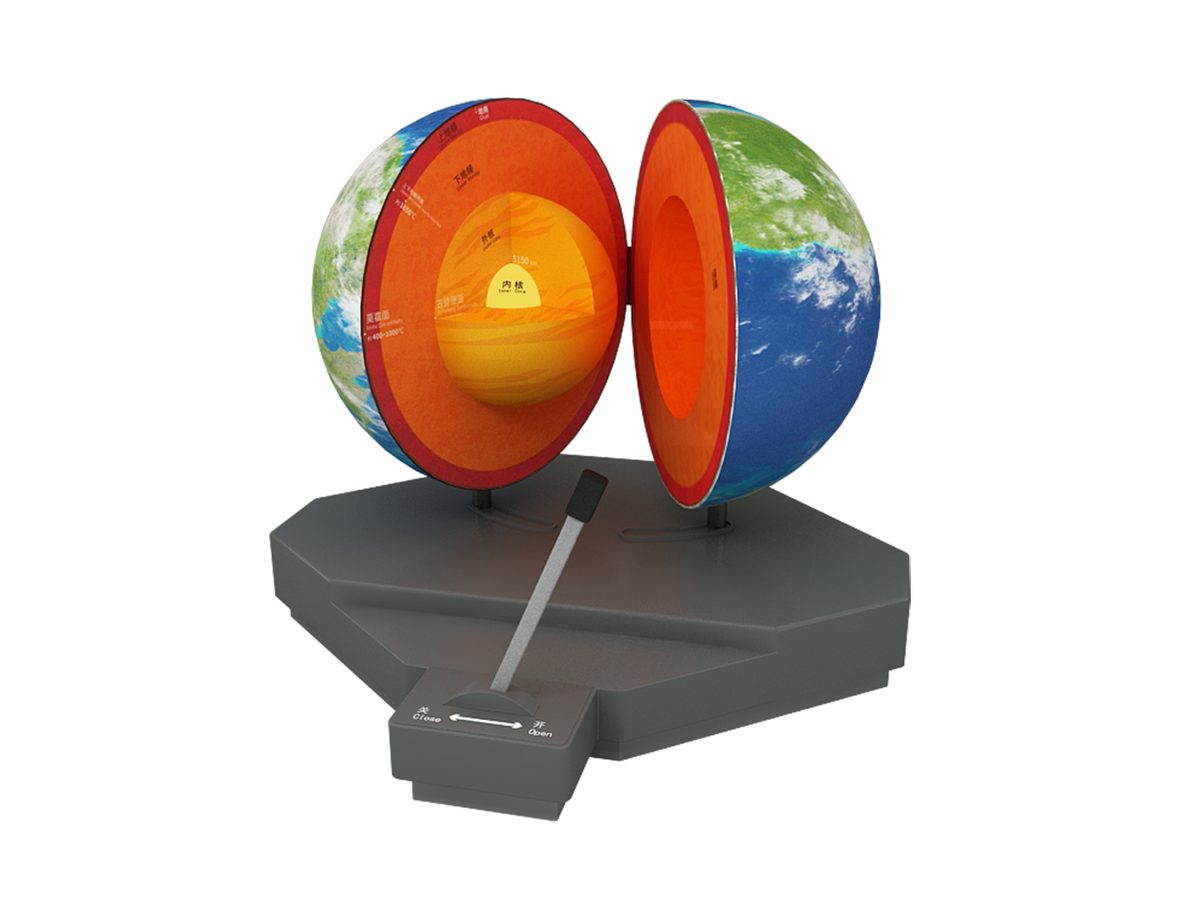
Cut-away globe showing crust, mantle, outer and inner core.
Attach a theme outline, a floor plan, or nothing at all — a photo of the space is enough to start. Quotations are issued against a real exhibit list, not per-square-metre guesses.
Scan to add us