Home/Exhibits/Earth & Ecology/Underwater cold spring

Underwater cold spring

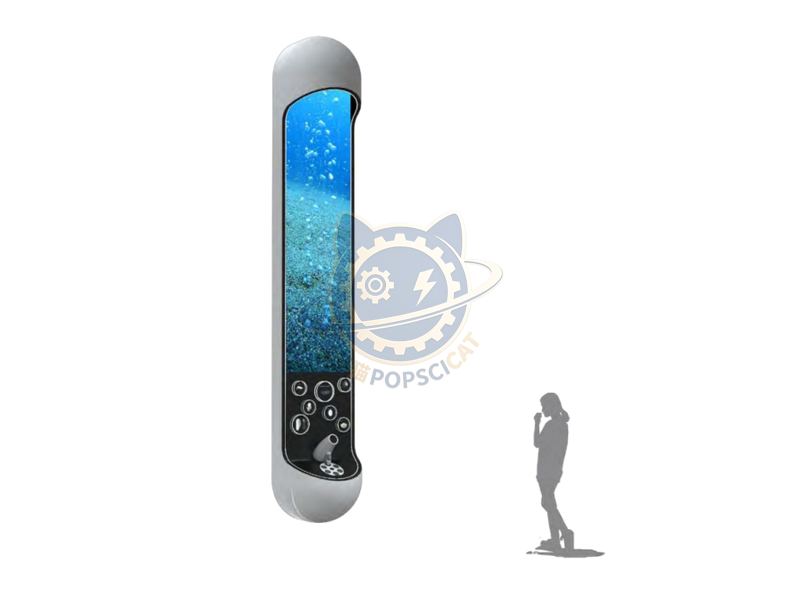
Underwater cold springs are a natural phenomenon in which fluids, mainly composed of water, hydrocarbons (natural…

Underwater cold spring — Earth & Ecology exhibit for science museums
Studio rendering
CategoryEarth & Ecology
Standard sizeCustom size
SupplySingle unit or batch · OEM to your drawing
Lead timeStandard 4–8 weeks after deposit (confirmed per contract)
Warranty1 year, structure and control
DocumentsSpecification sheet · control diagram · spare-part list

A standard catalogue model: the dimensions, control package and finish are fixed, which is what keeps the price and the lead time predictable. Size, colour and interface language can be adapted without a new design cycle.

Ask about this model → Email us

Standard models from this range are also listed in our online store, priced in USD — see the price yourself ↗
01 / Overview

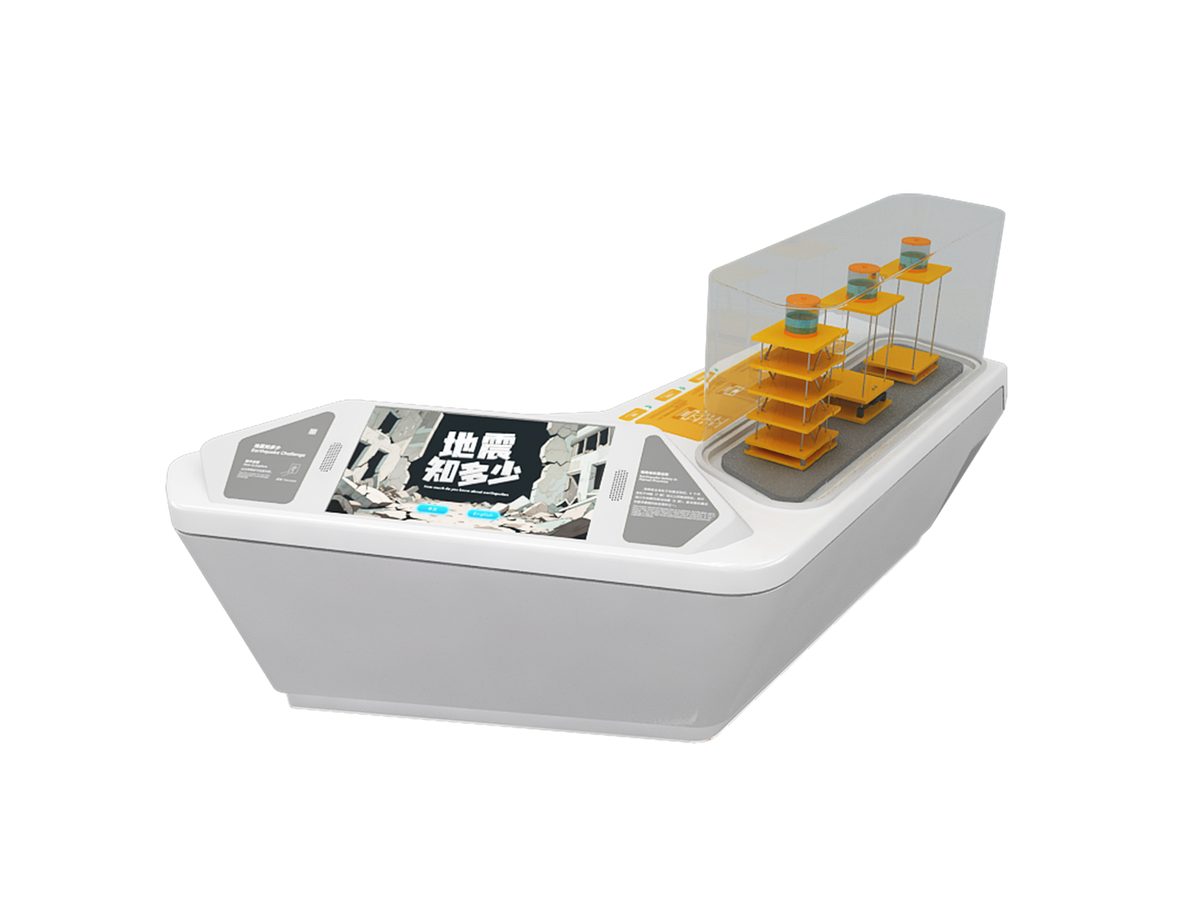
Underwater cold springs are a natural phenomenon in which fluids, mainly composed of water, hydrocarbons (natural gas and oil), hydrogen sulfide, and fine-grained sediments, overflow from the seabed through gushing or leaking beneath the sedimentary interface. Its temperature is similar to the surrounding seawater, usually 2-4 ℃. Despite being in an extreme deep-sea environment, the cold spring area relies on the continuous supply of methane and hydrogen sulfide to nurture a complete ecosystem centered around chemoautotrophic and heterotrophic organisms. From underwater microbial mats to shrimp, crabs, cold water corals and other organisms, a unique 'deep-sea oasis' has been constructed together.

02 / How visitors use it

The unit is designed for unsupervised public use: controls are recessed or shielded, moving parts are enclosed, and the interface is operable by a child of about six with no instruction. Where a screen is used, the language can be switched without changing the hardware, and the content can be replaced on site.

03 / The science behind it

1、 Overview of Underwater Cold Springs: Underwater cold springs are a unique geological and ecological phenomenon in the deep sea, formed by gases such as methane, hydrogen sulfide, and carbon dioxide beneath the seabed. Driven by geological tectonic movements or changes in seabed pressure, they continuously leak and overflow from the seabed, gradually forming after entering the seawater environment. After these leaked gases enter seawater, they will undergo chemical reactions with sulfate and carbonate ions in seawater, thereby generating minerals such as authigenic carbonate rocks and sulfides. These minerals not only shape unique underwater landforms such as mud volcanoes, pockmarks, and mudflats, but also provide habitats and energy sources for various special types and peculiar forms of deep-sea organisms, giving rise to unique cold spring ecosystems and becoming important hotspots for deep-sea biodiversity. 2、 The formation of submarine cold springs is not the result of a single factor, but rather a combination of various geological and environmental factors.

04 / Built for a public floor

Every unit leaves the factory after a running test: mechanisms cycled, electronics burned in, edges dressed, fixings torqued and marked. Wear parts — bearings, sliders, lamps, belts, touch panels — are modular and listed on the spare-part sheet, so a venue technician can replace them without returning the exhibit. Crating is plywood with foam blocking; the loading plan and packing list travel with the shipment.

Same category

More in Earth & Ecology

Other models from the Earth & Ecology line, all held to the same specification and the same control package.

Start a project

Send us your exhibit list.
We will come back with a price.

Attach a theme outline, a floor plan, or nothing at all — a photo of the space is enough to start. Quotations are issued against a real exhibit list, not per-square-metre guesses.

WeChat QR code — scan to message us Scan to add us
on WeChat