When the earthquake source is located at the bottom of the sea, it will form a tsunami and generate huge waves to…
| Category | Safety & Emergency |
|---|---|
| Standard size | 5000 x 1500 x 3000 mm |
| Supply | Single unit or batch · OEM to your drawing |
| Lead time | Standard 4–8 weeks after deposit (confirmed per contract) |
| Warranty | 1 year, structure and control |
| Documents | Specification sheet · control diagram · spare-part list |
A standard catalogue model: the dimensions, control package and finish are fixed, which is what keeps the price and the lead time predictable. Size, colour and interface language can be adapted without a new design cycle.
Standard models from this range are also listed in our online store, priced in USD — see the price yourself ↗
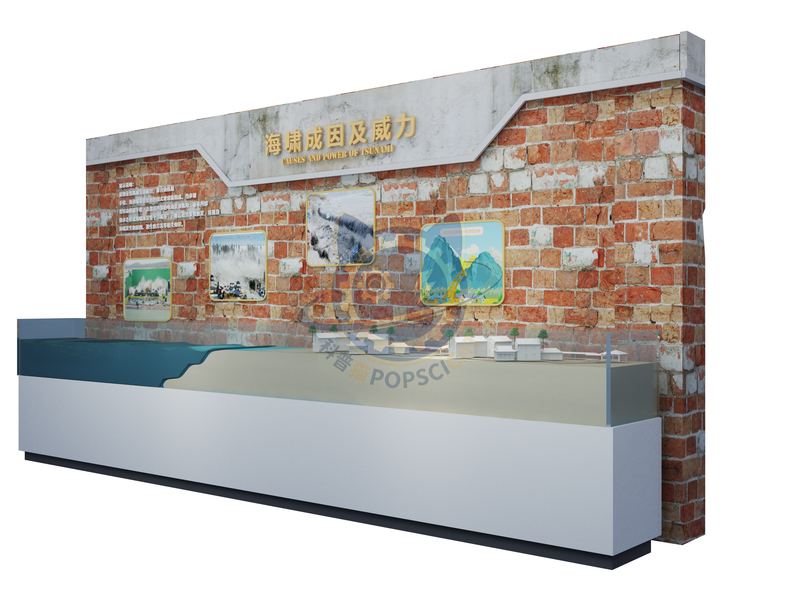
When the earthquake source is located at the bottom of the sea, it will form a tsunami and generate huge waves to attack the coastal areas of the continent. Observe the formation of tsunamis through experimental equipment. Enable visitors to intuitively understand the entire process of a tsunami from its occurrence to its end, as well as the harm it causes to the underwater environment, sea surface environment, and ships.
The unit is designed for unsupervised public use: controls are recessed or shielded, moving parts are enclosed, and the interface is operable by a child of about six with no instruction. Where a screen is used, the language can be switched without changing the hardware, and the content can be replaced on site.
A tsunami is a destructive wave generated by underwater earthquakes, volcanic eruptions, underwater landslides, or meteorological changes. The speed of a tsunami can reach up to 700-800 kilometers per hour and can cross the ocean within a few hours; The wavelength can reach several hundred kilometers and propagate for thousands of kilometers with minimal energy loss; In the vast ocean, the wave height is less than one meter, but when it reaches shallow waters along the coast, the wavelength shortens and the wave height increases sharply, reaching tens of meters, forming a "water wall" containing enormous energy.
Every unit leaves the factory after a running test: mechanisms cycled, electronics burned in, edges dressed, fixings torqued and marked. Wear parts — bearings, sliders, lamps, belts, touch panels — are modular and listed on the spare-part sheet, so a venue technician can replace them without returning the exhibit. Crating is plywood with foam blocking; the loading plan and packing list travel with the shipment.
Other models from the Safety & Emergency line, all held to the same specification and the same control package.

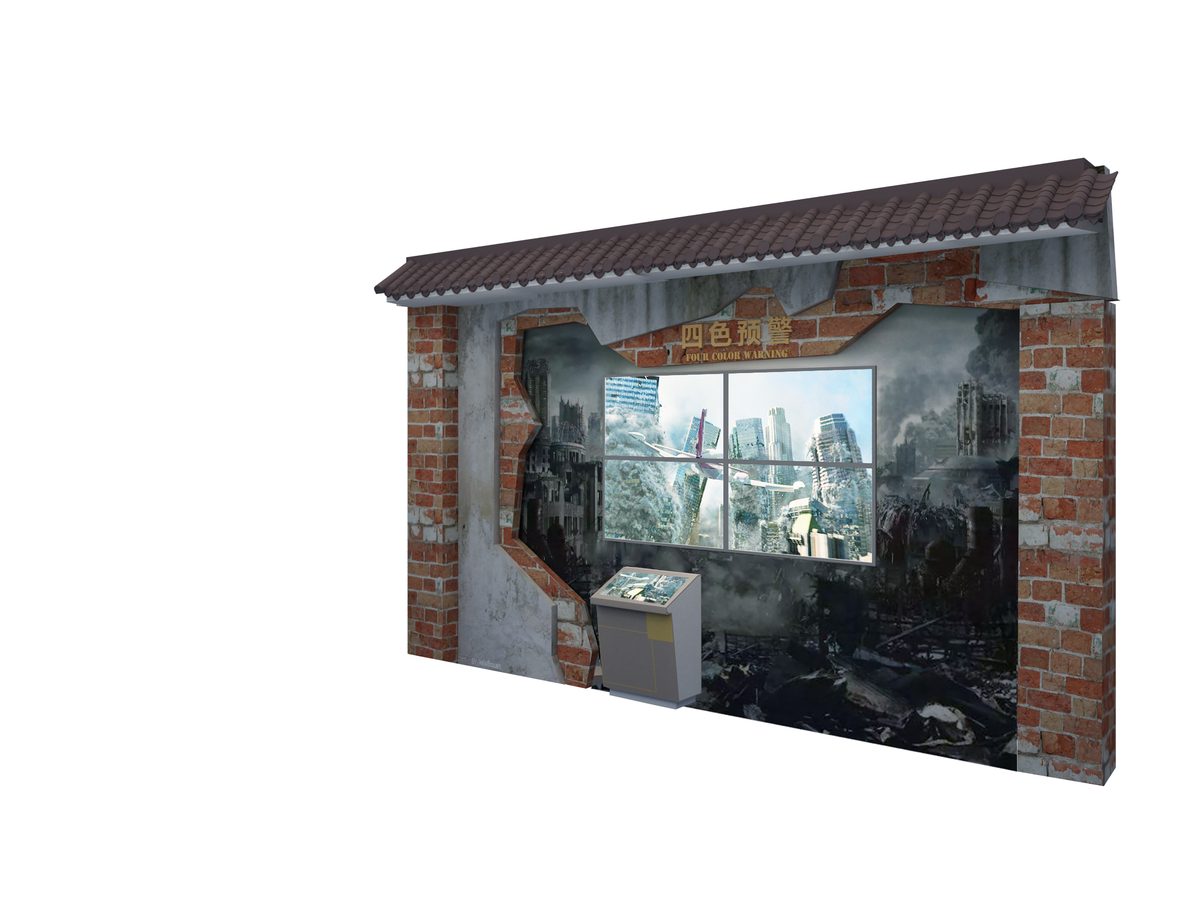
Four alert levels mapped to the response action each one requires.

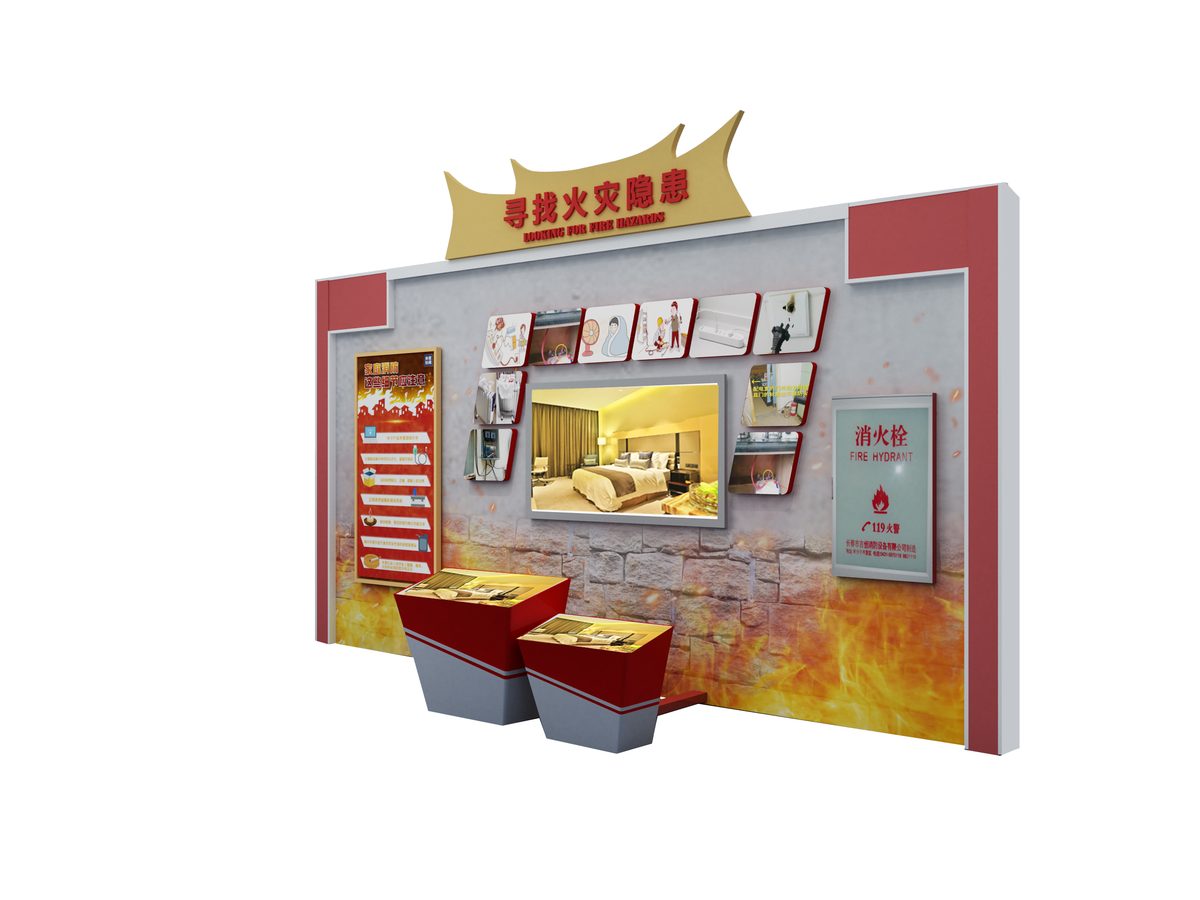
A domestic room with eleven faults to find and fix.

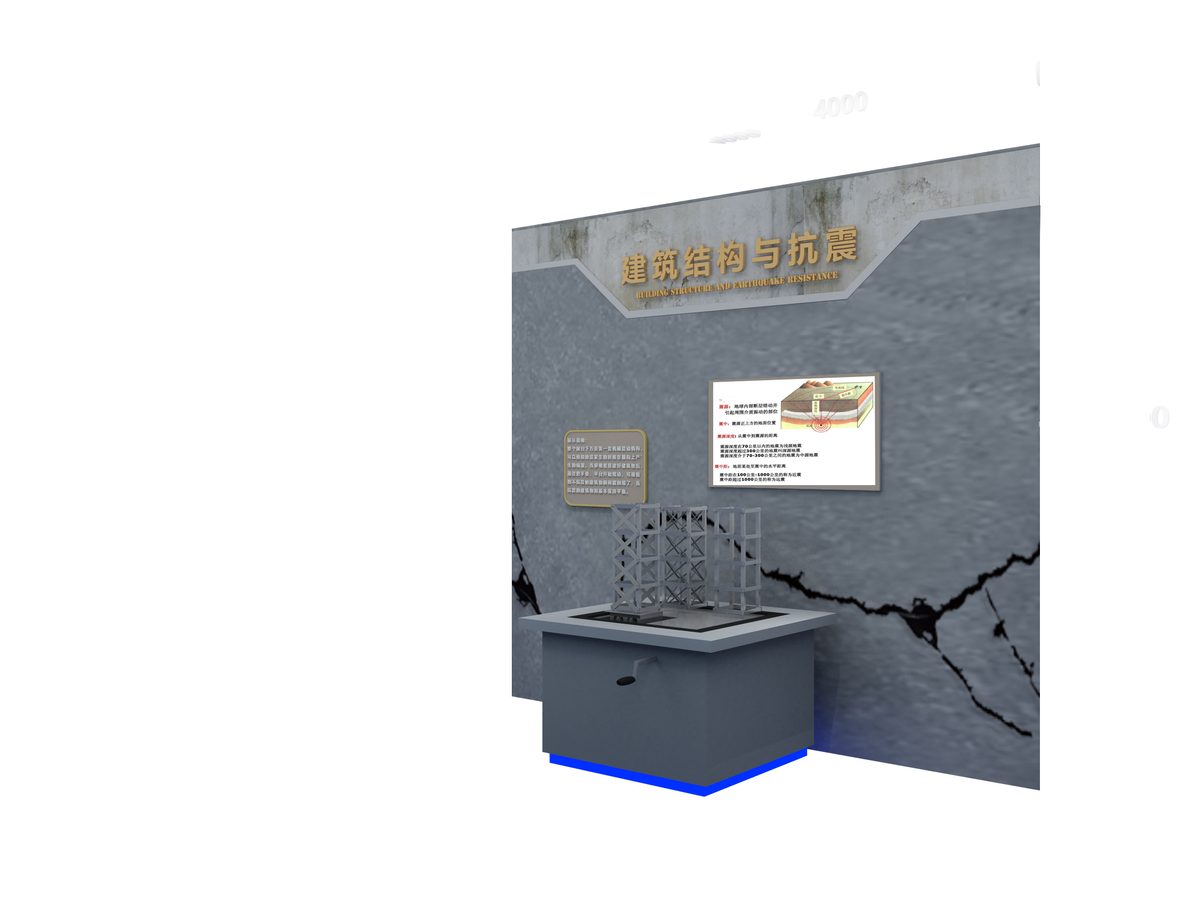
Build a frame on a shake table and test it to failure.

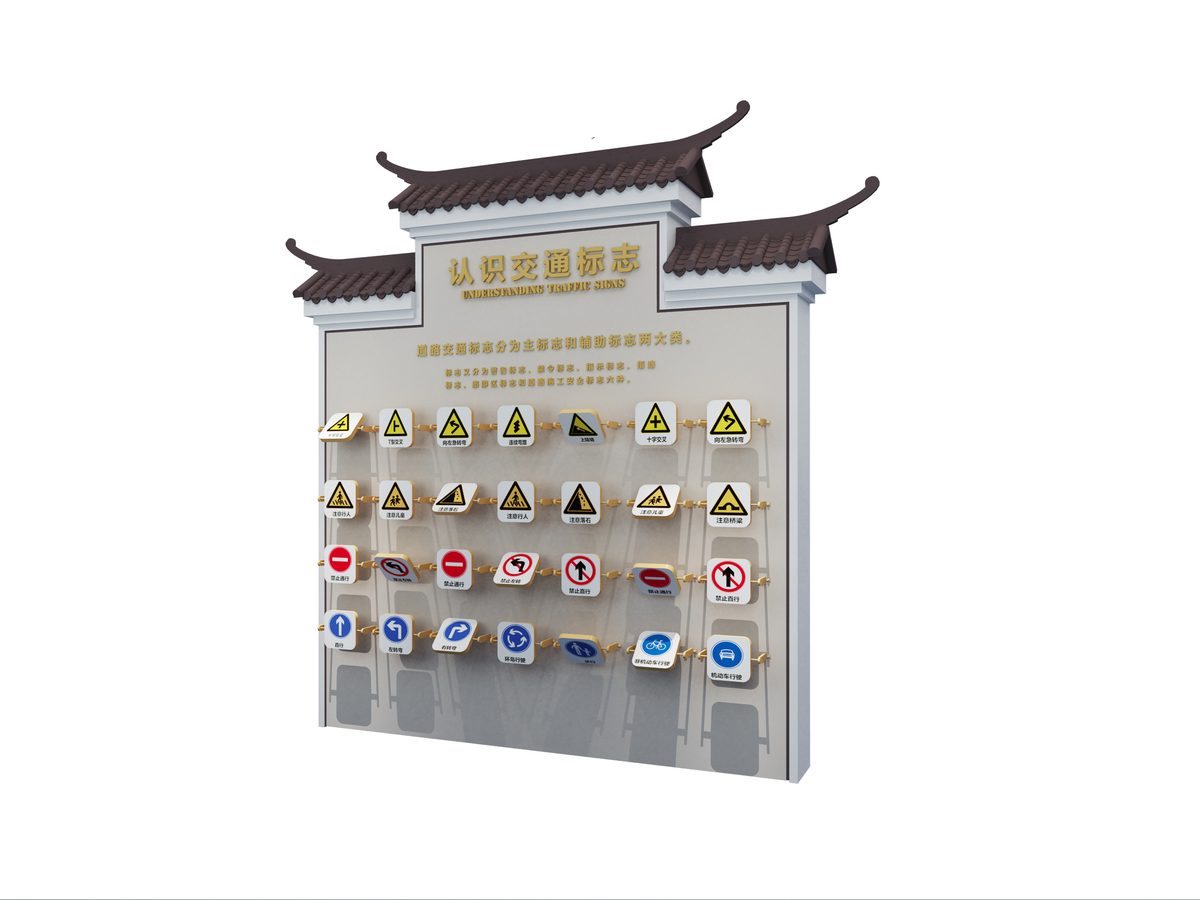
Match forty signs to their meaning against a timer.
Attach a theme outline, a floor plan, or nothing at all — a photo of the space is enough to start. Quotations are issued against a real exhibit list, not per-square-metre guesses.
Scan to add us