Home/Exhibits/Basic Science/Experience and Application of Mathematical Thinking

Experience and Application of Mathematical Thinking

Mathematical thinking is a form of thinking activity that uses mathematics to think and solve problems, which…

Experience and Application of Mathematical Thinking — Basic Science exhibit for science museums
Studio rendering
CategoryBasic Science
Standard sizeCustom size
SupplySingle unit or batch · OEM to your drawing
Lead timeStandard 4–8 weeks after deposit (confirmed per contract)
Warranty1 year, structure and control
DocumentsSpecification sheet · control diagram · spare-part list

A standard catalogue model: the dimensions, control package and finish are fixed, which is what keeps the price and the lead time predictable. Size, colour and interface language can be adapted without a new design cycle.

Ask about this model → Email us

Standard models from this range are also listed in our online store, priced in USD — see the price yourself ↗
01 / Overview

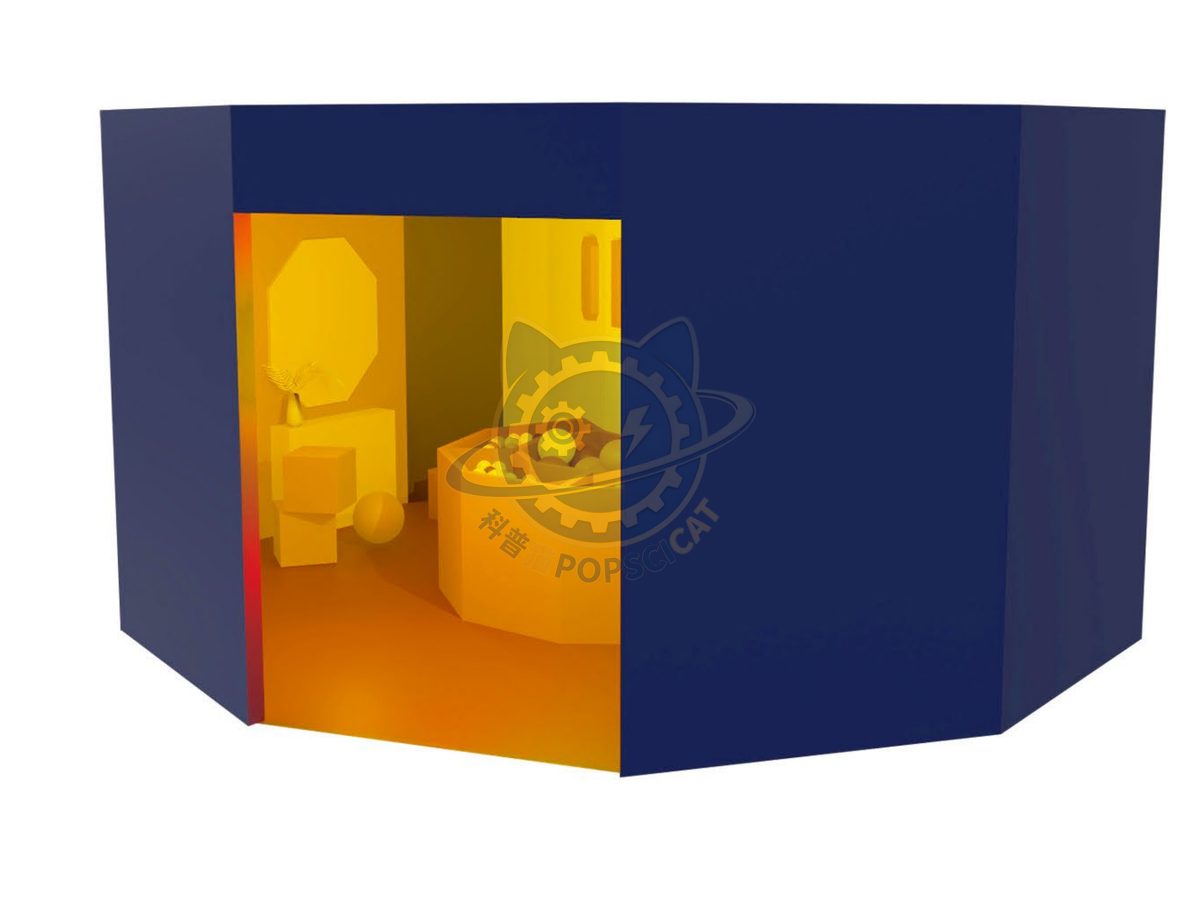
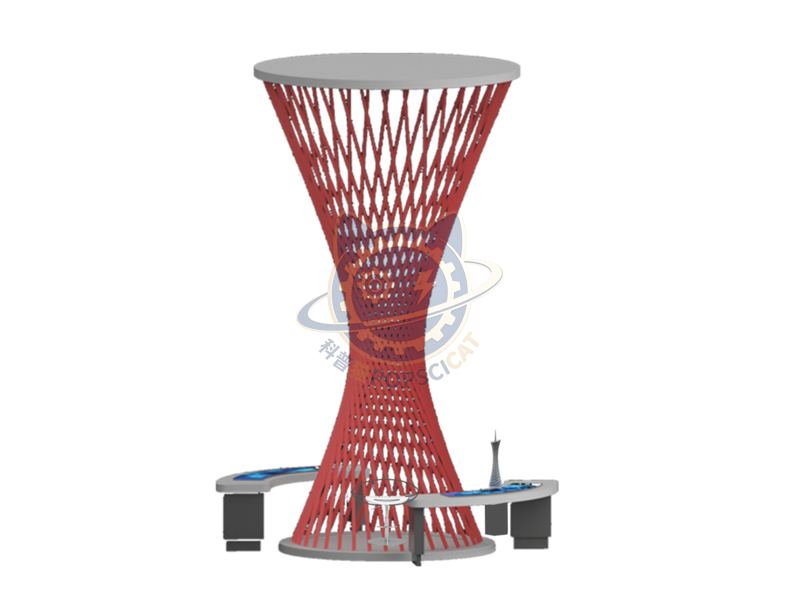
Mathematical thinking is a form of thinking activity that uses mathematics to think and solve problems, which includes abilities such as analysis, synthesis, induction, reasoning, and deduction. It is the core part of intelligence and has abstraction, logic, accuracy, systematicity, and innovation, providing important support and reference for the development of scientific thinking. Here, we showcase small games and experimental setups related to mathematical thinking, from Luban locks to Rubik's cubes, from hyperbolic slits to string sculptures. Each model is a visual demonstration of mathematical principles, come and experience it!

02 / How visitors use it

The unit is designed for unsupervised public use: controls are recessed or shielded, moving parts are enclosed, and the interface is operable by a child of about six with no instruction. Where a screen is used, the language can be switched without changing the hardware, and the content can be replaced on site.

03 / The science behind it

Mathematical thinking is the form of thinking activity that uses mathematics to think and solve problems, which is commonly referred to as mathematical thinking ability, that is, the ability to think and solve problems from a mathematical perspective. For example, transformation and normalization, from general to special, from special to general, the idea of functions or mappings, etc. Mathematical thinking includes abilities such as analysis, synthesis, induction, reasoning, and deduction, and is the core part of intelligence. Specifically, mathematical thinking ability mainly includes the following aspects: 1. associative power; 2. Digital sensitivity; 3. Logical thinking ability. In addition, the curriculum standards for mathematics teaching in primary and secondary schools in China clearly state that thinking ability mainly refers to the ability to observe, experiment, compare, guess, analyze, synthesize, abstract, and summarize; Can use induction, deduction, and analogy for reasoning; Will logically and accurately articulate one's own thoughts and viewpoints; Be able to apply mathematical concepts, ideas, and methods, identify mathematical relationships, and develop good thinking qualities.

04 / Built for a public floor

Every unit leaves the factory after a running test: mechanisms cycled, electronics burned in, edges dressed, fixings torqued and marked. Wear parts — bearings, sliders, lamps, belts, touch panels — are modular and listed on the spare-part sheet, so a venue technician can replace them without returning the exhibit. Crating is plywood with foam blocking; the loading plan and packing list travel with the shipment.

Same category

More in Basic Science

Other models from the Basic Science line, all held to the same specification and the same control package.

Start a project

Send us your exhibit list.
We will come back with a price.

Attach a theme outline, a floor plan, or nothing at all — a photo of the space is enough to start. Quotations are issued against a real exhibit list, not per-square-metre guesses.

WeChat QR code — scan to message us Scan to add us
on WeChat