Home/Exhibits/City & Society/Close up of power system: steam engine, internal combustion engine, electric motor

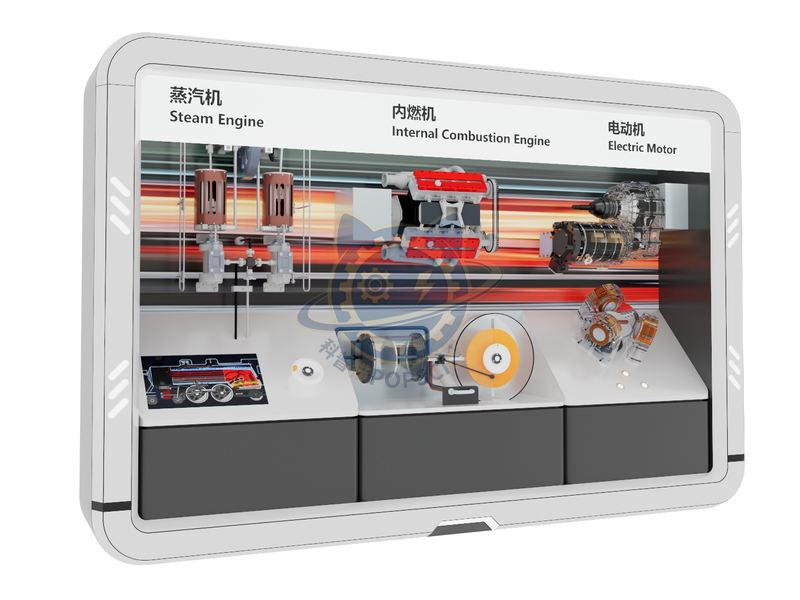
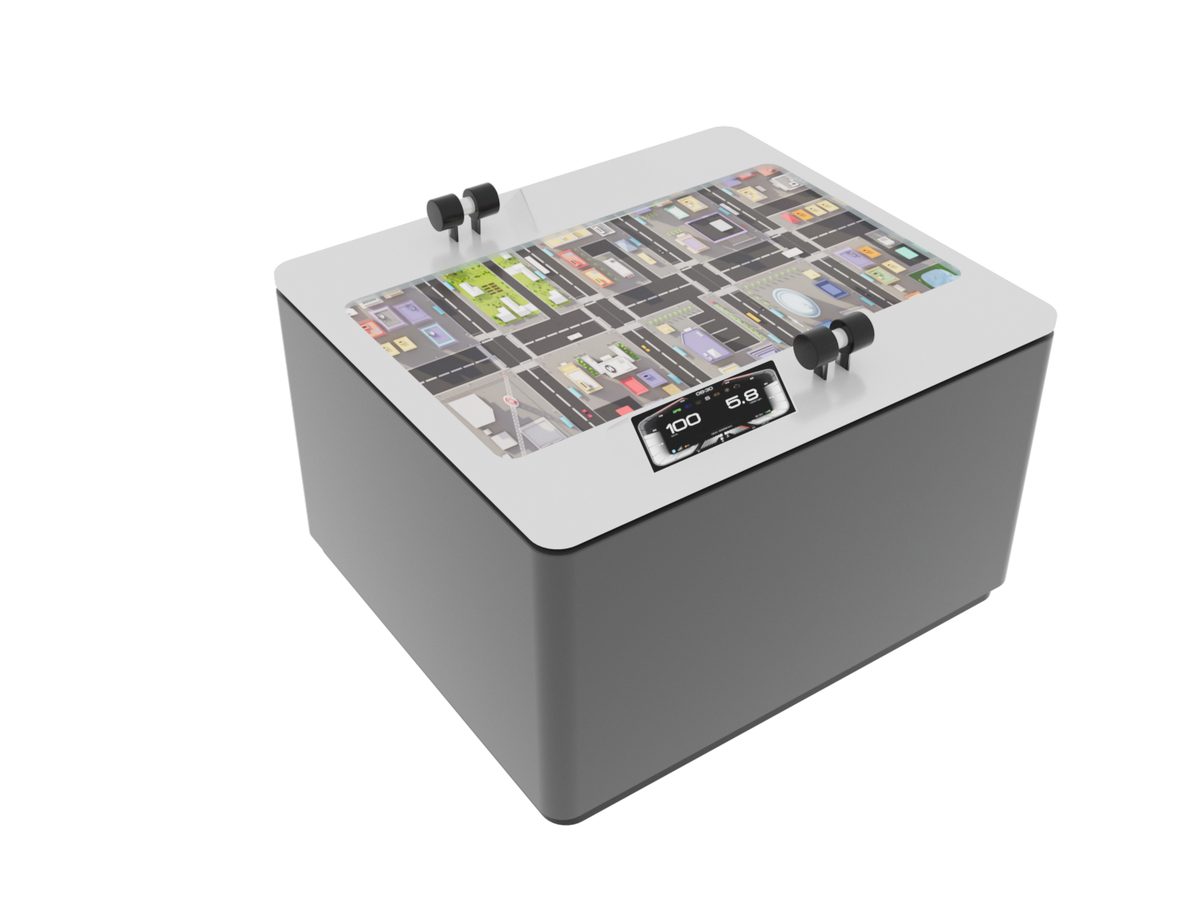
Close up of power system: steam engine, internal combustion engine, electric motor

The steam engine, as a revolutionary power equipment, was born in the 18th and 19th centuries.

Close up of power system: steam engine, internal combustion engine, electric motor — City & Society exhibit for science museums
Studio rendering
CategoryCity & Society
Standard sizeCustom size
SupplySingle unit or batch · OEM to your drawing
Lead timeStandard 4–8 weeks after deposit (confirmed per contract)
Warranty1 year, structure and control
DocumentsSpecification sheet · control diagram · spare-part list

A standard catalogue model: the dimensions, control package and finish are fixed, which is what keeps the price and the lead time predictable. Size, colour and interface language can be adapted without a new design cycle.

Ask about this model → Email us

Standard models from this range are also listed in our online store, priced in USD — see the price yourself ↗
01 / Overview

The steam engine, as a revolutionary power equipment, was born in the 18th and 19th centuries. It was developed in collaboration with numerous scientists and engineers, with James Watt's contribution being particularly significant, as his improvements to the steam engine had historic significance. By burning coal or firewood to produce steam, the piston is driven to move, converting thermal energy into mechanical energy, providing continuous power for transportation vehicles such as trains and ships, greatly changing the way humans travel. The internal combustion engine, as an outstanding technological innovation from the late 19th century to the early 20th century, was jointly created by pioneers such as Nicholas Otto. It releases high-temperature and high-pressure gas energy by burning gasoline or diesel, which drives the piston to reciprocate and cleverly converts thermal energy into powerful mechanical energy, providing wings of speed and efficiency for modern transportation such as cars and airplanes, leading human society into a new era full of power. electric motor.

02 / How visitors use it

The unit is designed for unsupervised public use: controls are recessed or shielded, moving parts are enclosed, and the interface is operable by a child of about six with no instruction. Where a screen is used, the language can be switched without changing the hardware, and the content can be replaced on site.

03 / The science behind it

The evolution process of the power system of transportation vehicles has mainly gone through three stages: the steam engine era, the internal combustion engine era, and the electric motor era. Steam engine era: In the late 18th and early 19th centuries, steam engines were used as pioneers in the power systems of transportation vehicles and were applied in situations where trains and ships required a large amount of power. A steam engine generates steam by burning coal or wood, which drives the piston to move and convert it into mechanical energy. Representative works of this era include trains designed by Stevenson and steamships designed by Fulton. However, steam engines have a large volume, low efficiency, long start-up time, and require specialized boilers and fuel supply systems, so they have not dominated the field of transportation vehicles. The era of internal combustion engines: From the late 19th century to the early 20th century, the invention and improvement of internal combustion engines drove significant changes in the power systems of transportation vehicles. Internal combustion engines generate high-temperature and high-pressure gas by burning gasoline or diesel, which drives the piston to move and convert it into mechanical energy.

04 / Built for a public floor

Every unit leaves the factory after a running test: mechanisms cycled, electronics burned in, edges dressed, fixings torqued and marked. Wear parts — bearings, sliders, lamps, belts, touch panels — are modular and listed on the spare-part sheet, so a venue technician can replace them without returning the exhibit. Crating is plywood with foam blocking; the loading plan and packing list travel with the shipment.

Same category

More in City & Society

Other models from the City & Society line, all held to the same specification and the same control package.

Start a project

Send us your exhibit list.
We will come back with a price.

Attach a theme outline, a floor plan, or nothing at all — a photo of the space is enough to start. Quotations are issued against a real exhibit list, not per-square-metre guesses.

WeChat QR code — scan to message us Scan to add us
on WeChat