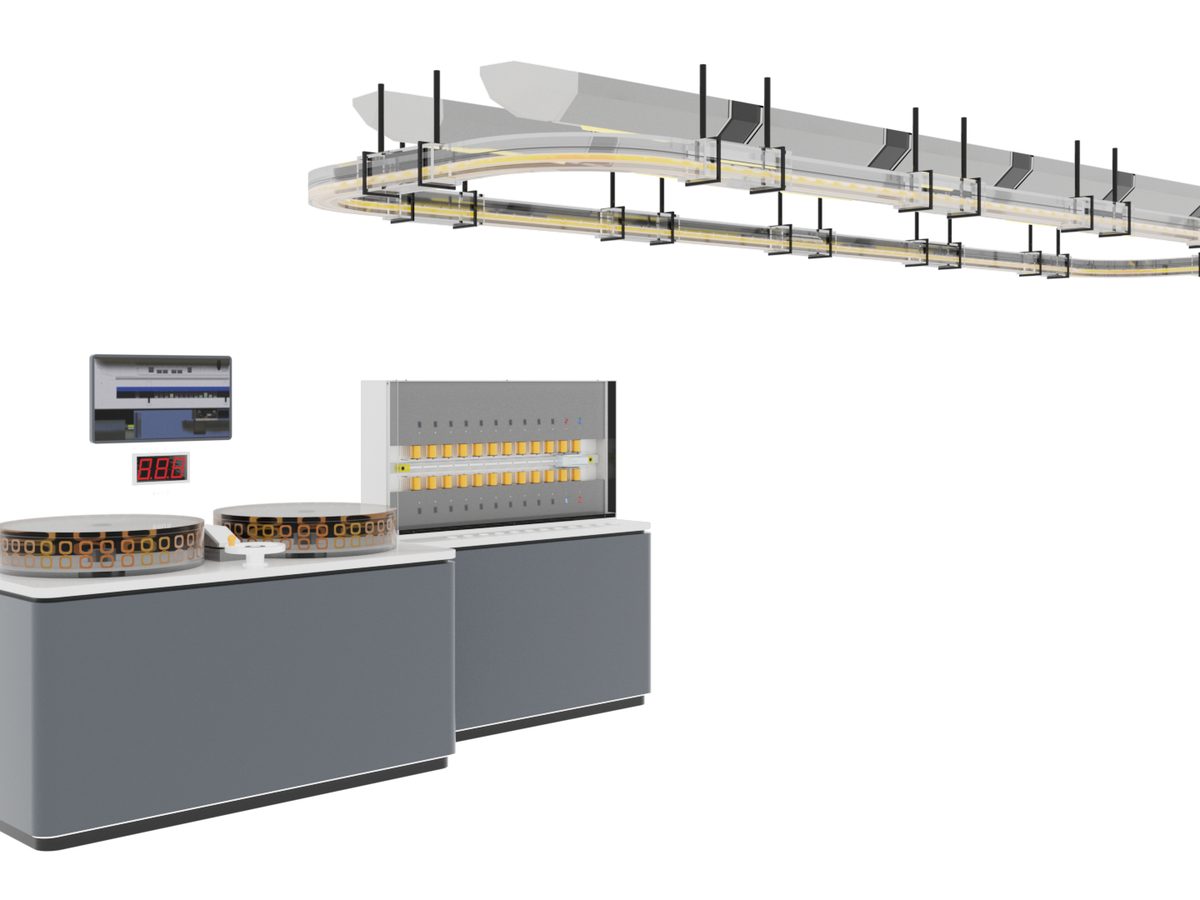
Levitation, guidance and propulsion shown as three separate modules.
| Category | City & Society |
|---|---|
| Standard size | Custom size |
| Supply | Single unit or batch · OEM to your drawing |
| Lead time | Standard 4–8 weeks after deposit (confirmed per contract) |
| Warranty | 1 year, structure and control |
| Documents | Specification sheet · control diagram · spare-part list |
A standard catalogue model: the dimensions, control package and finish are fixed, which is what keeps the price and the lead time predictable. Size, colour and interface language can be adapted without a new design cycle.
Standard models from this range are also listed in our online store, priced in USD — see the price yourself ↗
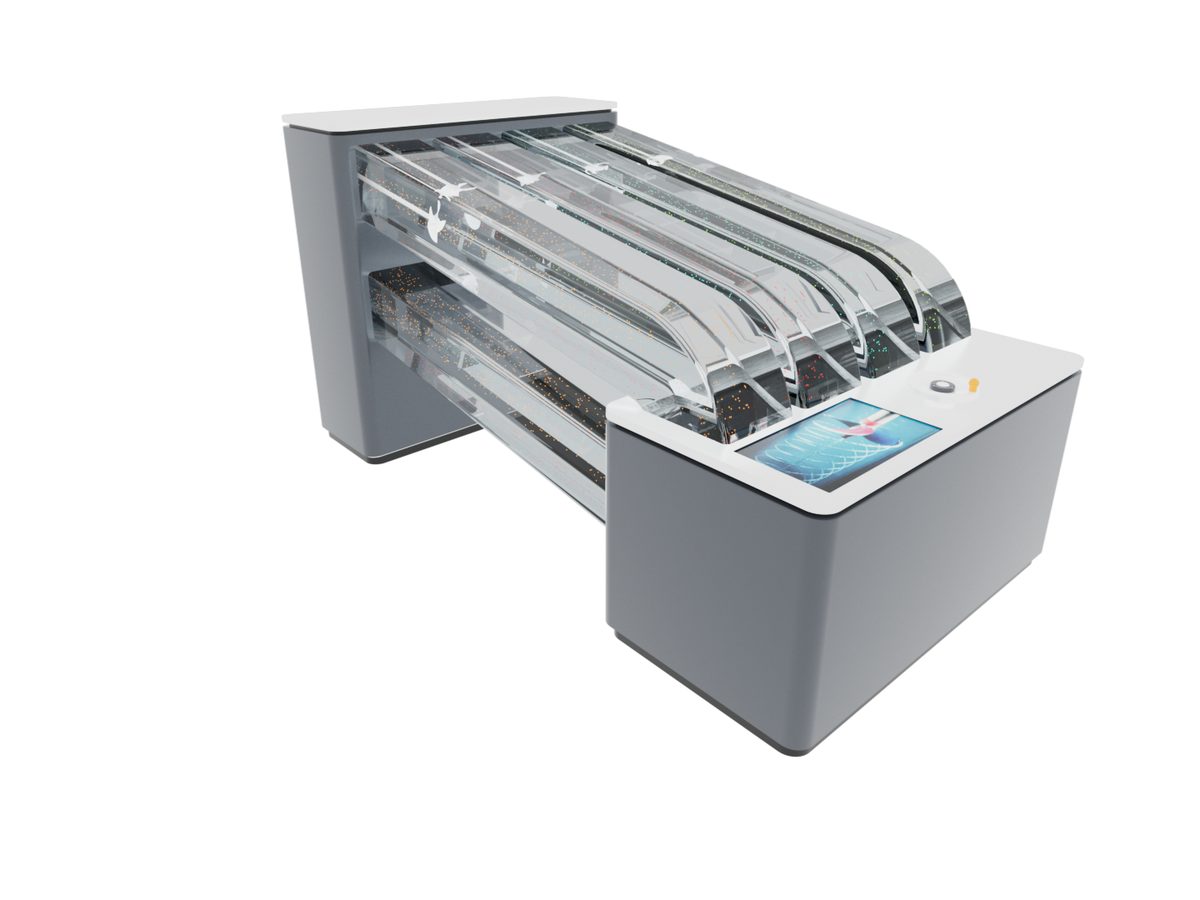
The magnetic force causes the train to hover on the track, while the propulsion provided by the linear motor drives the train forward through dynamic changes in the magnetic field. Magnetic levitation technology avoids the contact limitations of traditional wheel rail trains, reduces friction and wear, lowers noise and maintenance costs, while improving travel speed and efficiency. In the future, maglev trains are expected to achieve ultra high speed transportation and promote modernization of transportation.
The unit is designed for unsupervised public use: controls are recessed or shielded, moving parts are enclosed, and the interface is operable by a child of about six with no instruction. Where a screen is used, the language can be switched without changing the hardware, and the content can be replaced on site.
Suspension system: By utilizing the property of magnets that repel each other of the same sex and attract each other of the opposite sex, magnets have the ability to resist gravity, known as "magnetic suspension". The maglev train is equipped with superconducting magnets, while coils are installed at the bottom of the railway. After being powered on, the polarity of the magnetic field generated by the ground coil is always the same as that of the electromagnet on the train, and the two are mutually repulsive, causing the train to suspend due to the repulsive force. Propulsion system: Coils are installed on both sides of the railway tracks, and alternating current turns the coils into electromagnets, which interact with the electromagnets on the train to propel it forward. The electromagnet (N pole) of the train head is attracted by the electromagnet (S pole) located earlier on the track, while being repelled by the electromagnet (N pole) located later on the track, resulting in a combination of pushing and pulling. The maglev train maintains a certain gap (usually 1-10cm) with the track during operation, so it runs safely, smoothly, comfortably, and noiselessly, and can achieve fully automated operation.
Every unit leaves the factory after a running test: mechanisms cycled, electronics burned in, edges dressed, fixings torqued and marked. Wear parts — bearings, sliders, lamps, belts, touch panels — are modular and listed on the spare-part sheet, so a venue technician can replace them without returning the exhibit. Crating is plywood with foam blocking; the loading plan and packing list travel with the shipment.
Other models from the City & Society line, all held to the same specification and the same control package.

Blade pitch adjusted by hand with thrust read on a live gauge.

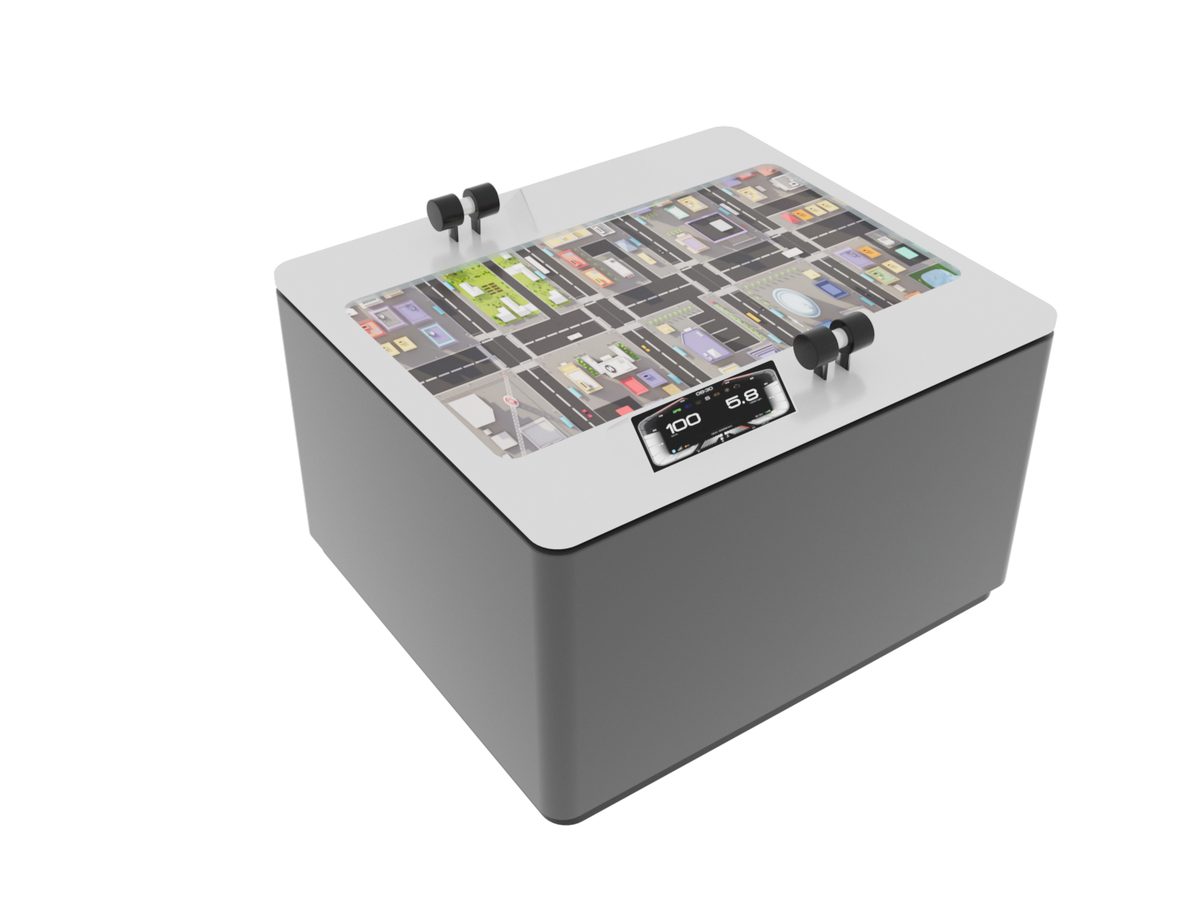
Time four signals so a bus crosses the city without stopping.

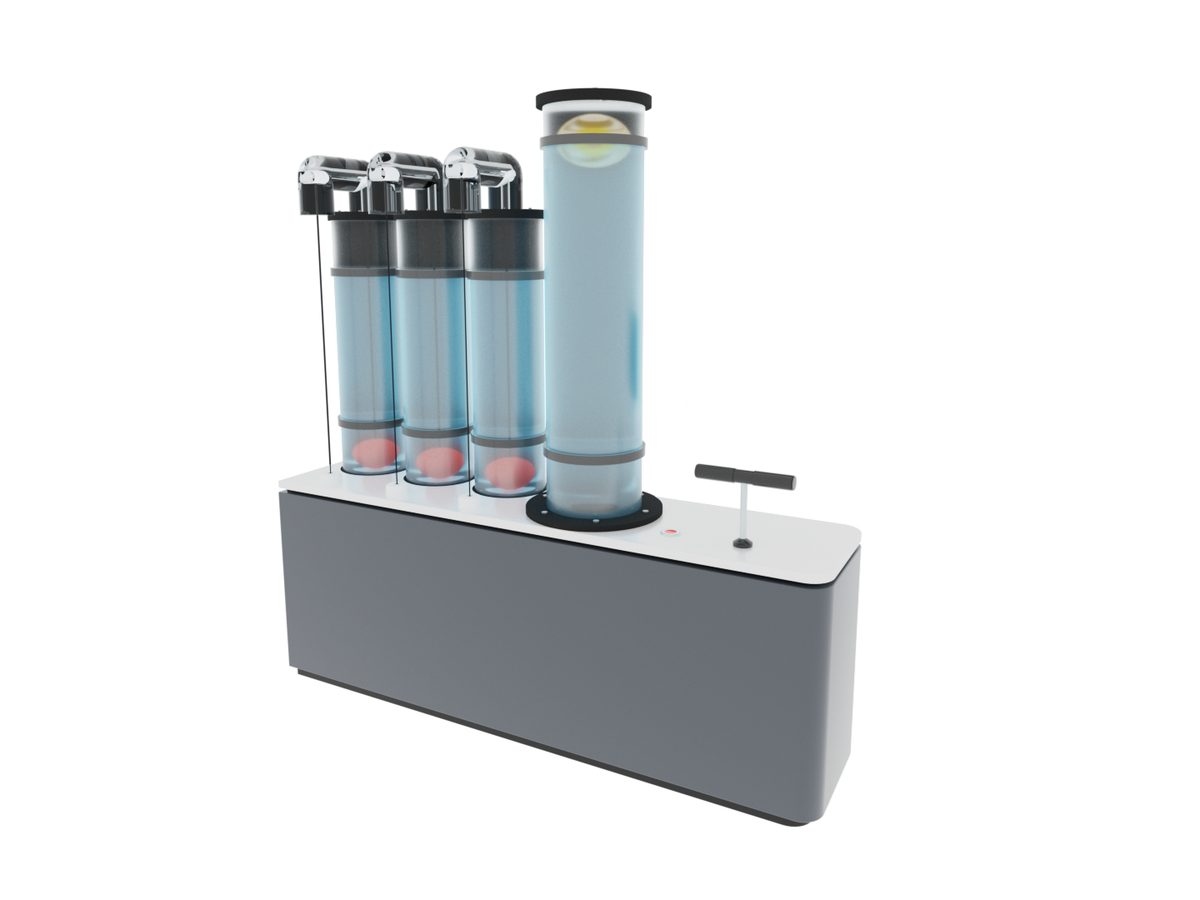
Load a hull until it floats and then until it does not.

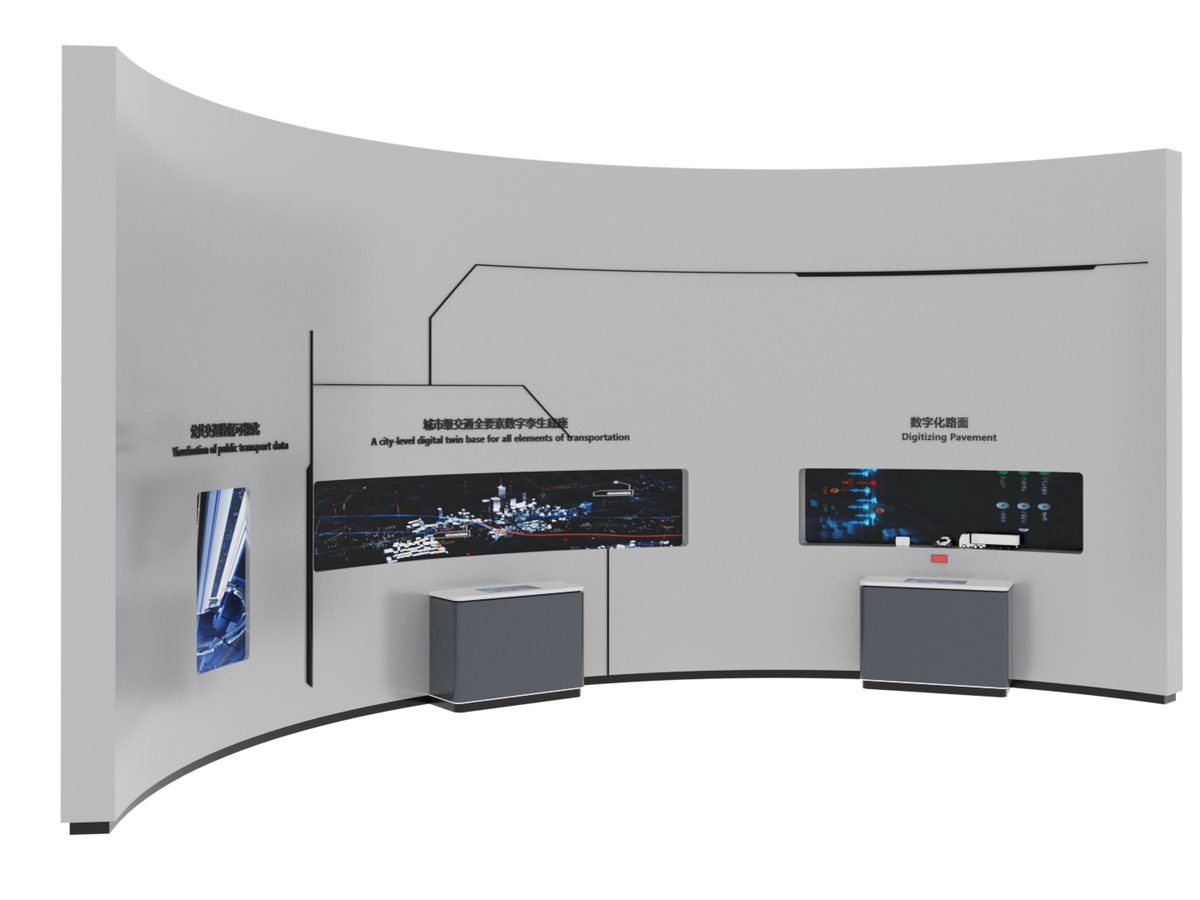
Road-side sensing, lane markings and vehicle communication in one model.
Attach a theme outline, a floor plan, or nothing at all — a photo of the space is enough to start. Quotations are issued against a real exhibit list, not per-square-metre guesses.
Scan to add us