Home/Exhibits/City & Society/Transmission Control of Helicopter

Transmission Control of Helicopter

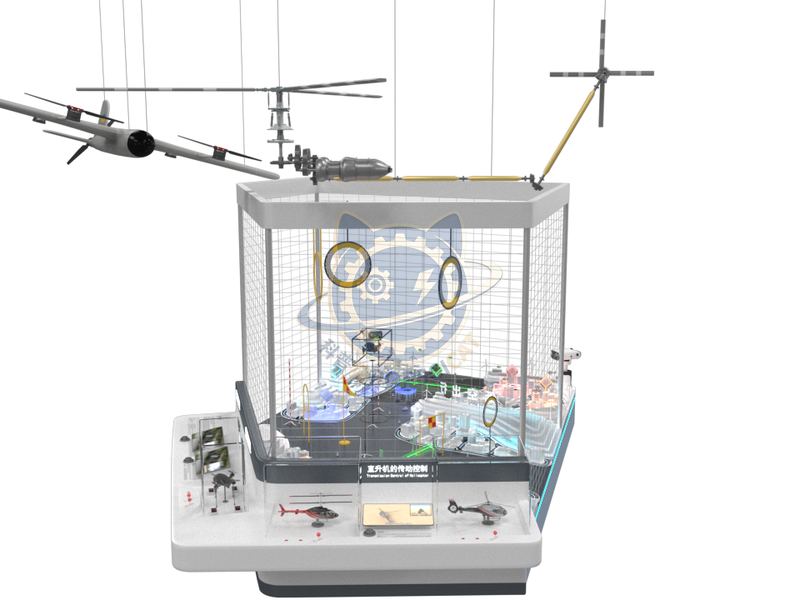
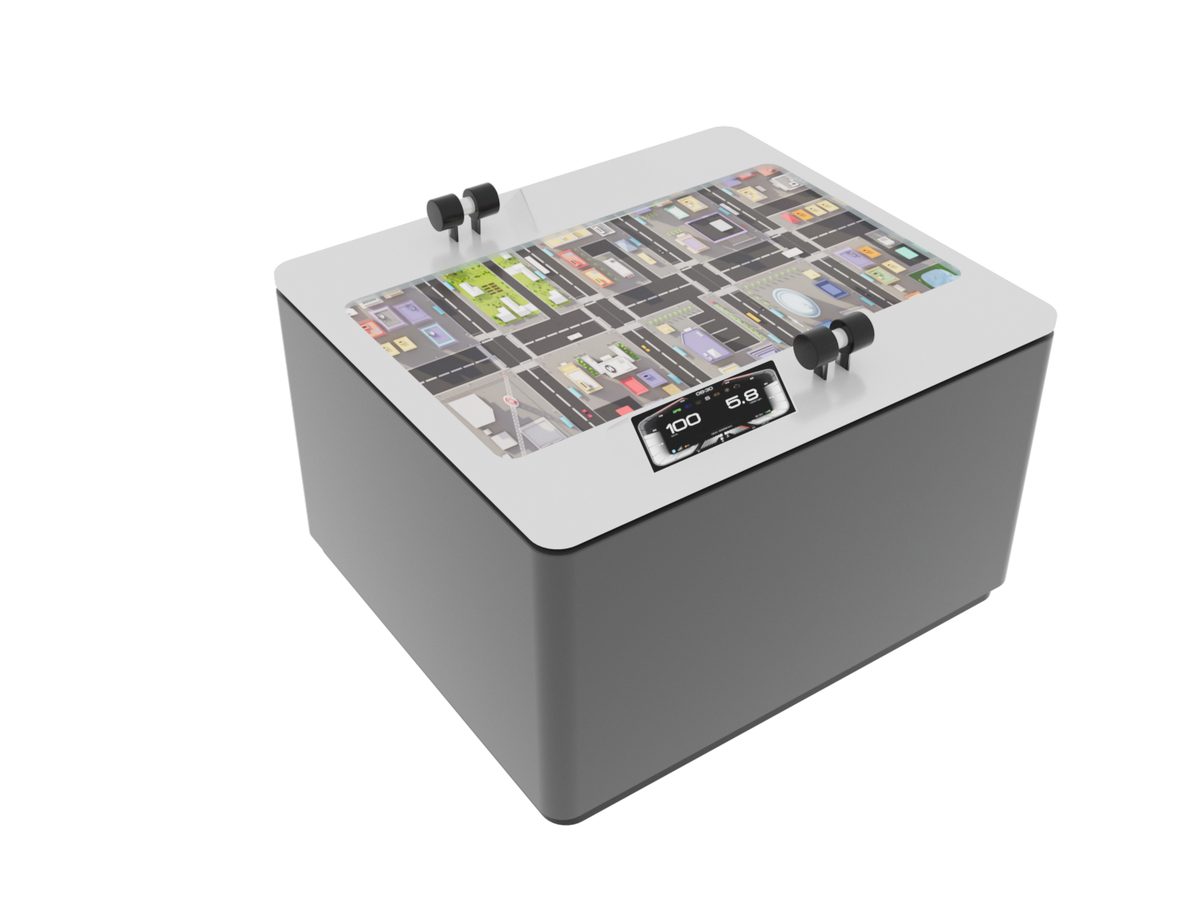
During flight, helicopter pilots control the transmission system by manipulating the joystick and pedals, altering…

Transmission Control of Helicopter — City & Society exhibit for science museums
Studio rendering
CategoryCity & Society
Standard sizeCustom size
SupplySingle unit or batch · OEM to your drawing
Lead timeStandard 4–8 weeks after deposit (confirmed per contract)
Warranty1 year, structure and control
DocumentsSpecification sheet · control diagram · spare-part list

A standard catalogue model: the dimensions, control package and finish are fixed, which is what keeps the price and the lead time predictable. Size, colour and interface language can be adapted without a new design cycle.

Ask about this model → Email us

Standard models from this range are also listed in our online store, priced in USD — see the price yourself ↗
01 / Overview

During flight, helicopter pilots control the transmission system by manipulating the joystick and pedals, altering the rotational speed of the rotor and the angle changes of each blade, enabling the helicopter to overcome resistance and complete various flight actions such as takeoff, elevation, and landing.

02 / How visitors use it

The unit is designed for unsupervised public use: controls are recessed or shielded, moving parts are enclosed, and the interface is operable by a child of about six with no instruction. Where a screen is used, the language can be switched without changing the hardware, and the content can be replaced on site.

03 / The science behind it

Flight principle of a single rotor helicopter: 1 The power that maintains the flight of a helicopter comes from its constantly rotating rotor blades. When the main rotor blades rotate, they generate an upward airflow relative to the air, naturally forming an upward force. By reusing the rotational speed of the rotor and the angle changes of each blade, the aircraft completes various flight actions such as takeoff, elevation, and landing. two Helicopter forward flight is achieved by manipulating the remote control lever to normalize the angles of each blade at different positions according to a certain rule. The pulling force generated by the rotor tilts forward relative to the axis of rotation, pulling the helicopter forward. The same principle applies to flying a helicopter to the left or right. three When the direction of helicopter flight changes, the basic principle is to use the variable angle or generated by the tail rotor. Because when the main rotor rotates, the fuselage generates torque, which causes the fuselage to constantly rotate and cannot fly normally. So it is necessary to add a tail rotor to counteract the torque and balance the body from rotating, but relying solely on the tail rotor does not.

04 / Built for a public floor

Every unit leaves the factory after a running test: mechanisms cycled, electronics burned in, edges dressed, fixings torqued and marked. Wear parts — bearings, sliders, lamps, belts, touch panels — are modular and listed on the spare-part sheet, so a venue technician can replace them without returning the exhibit. Crating is plywood with foam blocking; the loading plan and packing list travel with the shipment.

Same category

More in City & Society

Other models from the City & Society line, all held to the same specification and the same control package.

Start a project

Send us your exhibit list.
We will come back with a price.

Attach a theme outline, a floor plan, or nothing at all — a photo of the space is enough to start. Quotations are issued against a real exhibit list, not per-square-metre guesses.

WeChat QR code — scan to message us Scan to add us
on WeChat